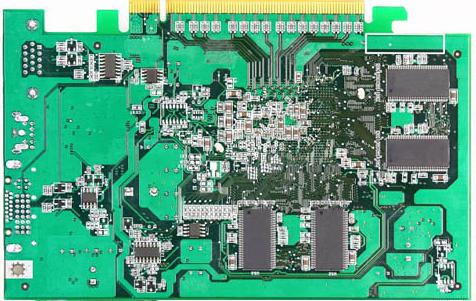
PCB Assembly

Key Factors in the PCBA Manufacturing Process

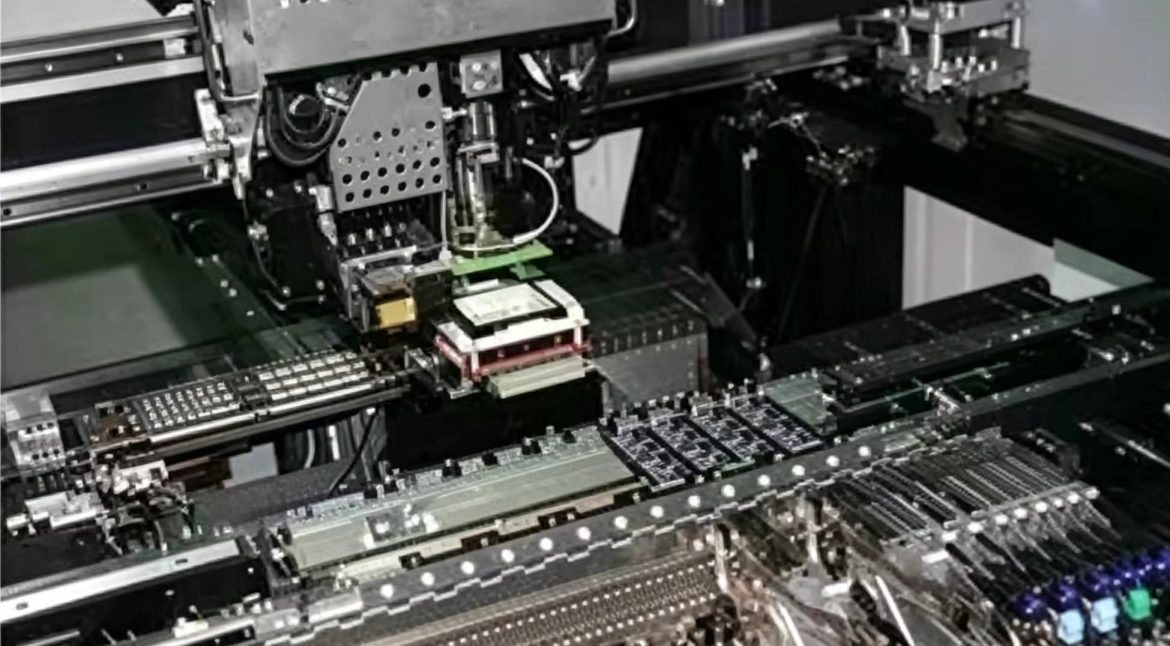
The success of PCB Assembly depends not only on the manufacturing process but also on decisions made during the initial PCBA Design stage. Product functionality, cost, component selection, manufacturing capability, and assembly sequence must all be considered before production begins. As electronic products continue to become smaller and more highly…
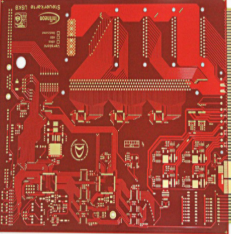
Multilayer PCB

Creating PCB Slots and Obround Pads in Multilayer PCB Design

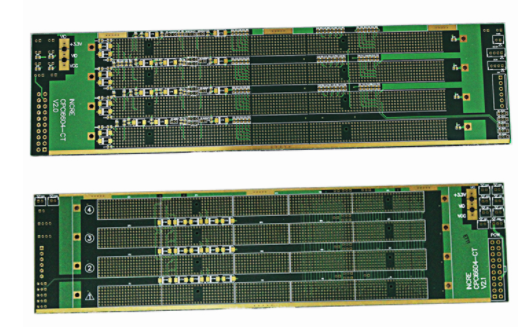
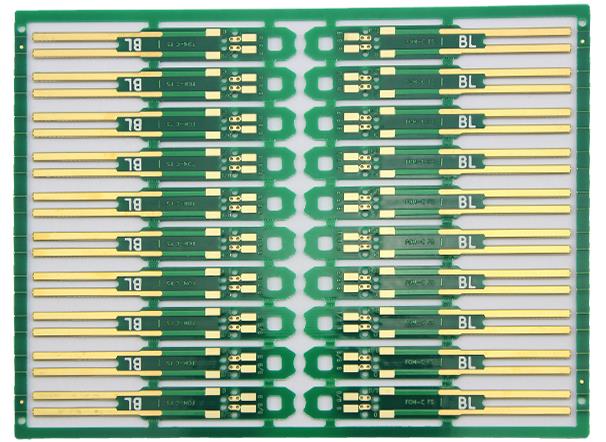
In modern Multilayer PCB design, mechanical features such as slots, cutouts, and non-circular plated or non-plated holes are increasingly common. These features are widely used for connector interfaces, mechanical positioning, heat dissipation, component clearance, and structural requirements. Unlike conventional round drilled holes, PCB Slots and obround pads require additional manufacturing…
PCB Manufacturing Process

PCB Manufacturing Process: Material Preparation, Cutting, and Initial Forming

The PCB Manufacturing Process consists of a series of carefully controlled operations that transform raw PCB materials into precisely sized and shaped panels ready for subsequent fabrication processes. Although different PCB types may require different manufacturing routes, the basic principles of material preparation, panel cutting, dimensional control, and initial forming…
PCB Warpage

PCB Warpage: Causes, Effects, and Prevention in PCB Manufacturing

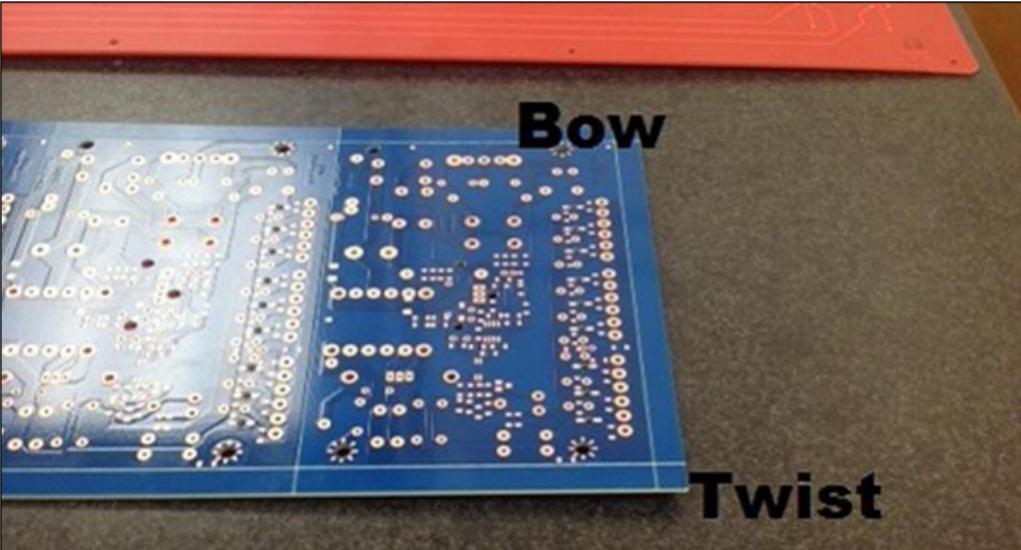
PCB flatness is an important quality requirement throughout PCB Manufacturing and assembly. As electronic products become smaller, thinner, and more highly integrated, the dimensional stability and flatness of printed circuit boards have become increasingly critical. During automated surface-mount assembly, excessive PCB Warpage can cause positioning errors, poor solder paste printing,…
PCB Manufacturing

How PCB Fabrication Affects High-Frequency Circuit Performance

Even the most carefully designed High-Frequency PCB can experience variations in electrical performance after fabrication. Although modern computer-aided engineering (CAE) and electromagnetic (EM) simulation tools can predict circuit behavior under carefully defined conditions, simulation results are only as accurate as the manufacturing parameters used in the model. In practical PCB…
Dielectric Constant (Dk)

Glass Weave Effect in Millimeter-Wave PCB Design: Impact on 77 GHz Performance

As electronic systems continue to operate at higher frequencies and faster data rates, material selection has become increasingly important in PCB Manufacturing. Glass fiber is widely used to reinforce dielectric substrates because it provides excellent mechanical strength, dimensional stability, and durability. However, glass reinforcement can also introduce electrical variations that…
PCB Manufacturing Process

Multilayer PCB Manufacturing: Key Factors and Process Considerations

A Multilayer PCB is one of the most important components in modern electronic products. As electronic devices continue to become smaller, faster, and more integrated, multilayer circuit boards are increasingly used to achieve higher routing density, better electrical performance, and more compact product designs. Unlike single-sided or double-sided circuit boards,…
Printed Circuit Board (PCB)

PCB Reliability: Key Factors, Testing Methods, and Manufacturing Control

Introduction One of the fundamental functions of a Printed Circuit Board (PCB) is to provide reliable electrical signal transmission and interconnection between electronic components. PCB Reliability refers to the ability of a PCB to maintain its intended electrical, mechanical, and physical performance throughout its expected service life. In other words,…