As electronic systems continue to operate at higher frequencies and faster data rates, understanding PCB impedance, signal transmission, and high-frequency behavior has become essential for reliable PCB design and manufacturing. Terms such as characteristic impedance, impedance matching, reflection, rise time, and radio-frequency interference are closely related to signal integrity. These…
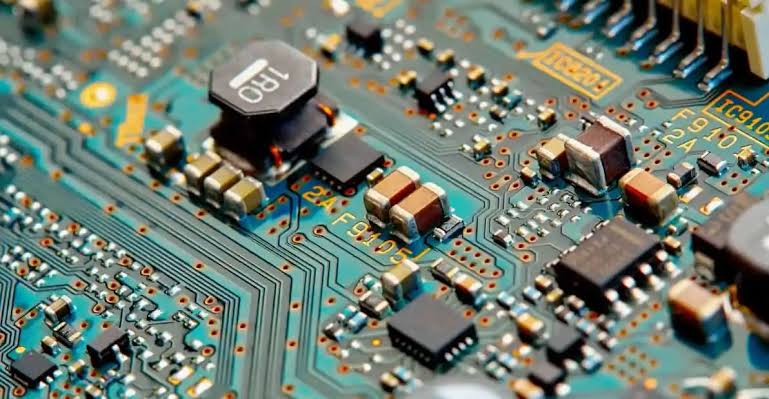
As millimeter-wave technology continues to expand into automotive electronics, smart homes, industrial systems, and intelligent infrastructure, millimeter wave radar PCB technology is attracting increasing attention. Millimeter-wave radar can detect the position, distance, velocity, and movement of objects by transmitting and receiving electromagnetic waves at high frequencies. Compared with cameras and…
Why Reflow Soldering Temperature Profiles Are Important In modern PCB assembly, reflow soldering is one of the most important processes for creating reliable connections between surface-mount components and PCB pads. Because components, packages, PCB materials, and copper distributions can vary significantly across a board, controlling temperature throughout the reflow process…
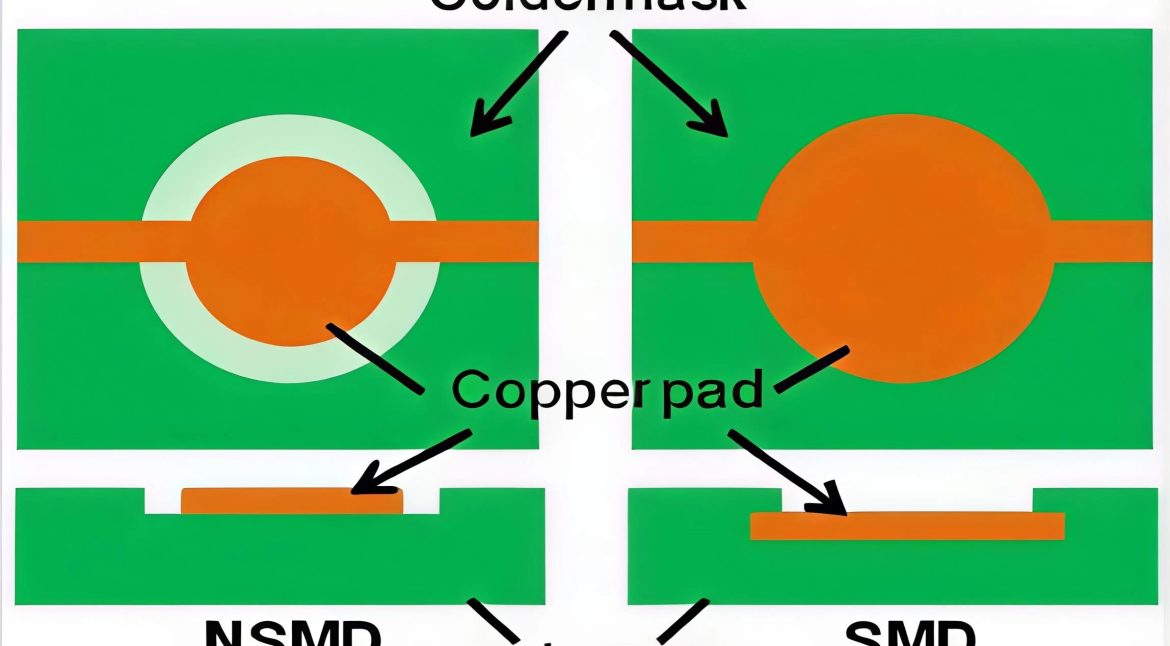
As electronic devices continue to become smaller, lighter, and more highly integrated, PCB designers must achieve higher component density while maintaining soldering quality and long-term reliability. This is especially important for fine-pitch components and BGA PCB assemblies, where solder-pad geometry can directly affect solder-joint formation and mechanical reliability. Two common…
In printed circuit board design, electrical connections between components and conductive structures are primarily established through solder pads. A pad is one of the most fundamental elements of PCB layout and plays a critical role in component assembly, electrical connectivity, thermal management, and manufacturing reliability. For a high-frequency PCB or…
The rapid development of high-speed networking, wireless communications, and digital electronic systems has created increasingly demanding requirements for PCB performance. As data rates and operating frequencies continue to rise, conventional PCB materials and manufacturing methods may no longer provide sufficient electrical performance. A properly selected high-frequency PCB plays an important…
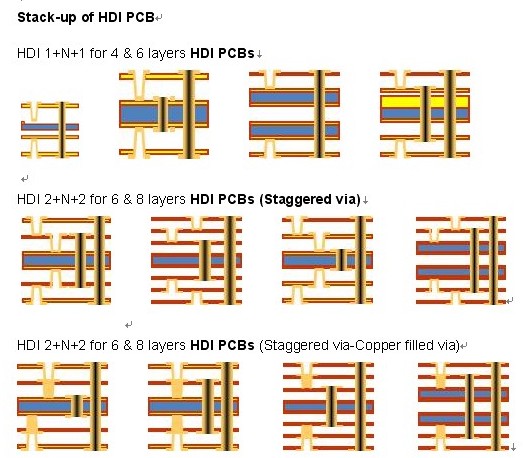
With the rapid development of electronic technology, microwave PCB, high-frequency PCB, and HDI PCB technologies are increasingly used in advanced electronic systems. Their applications now extend across communications, aerospace and defense, scientific research, industrial automation, automotive electronics, medical equipment, and consumer electronics. As operating frequencies continue to increase and electronic…
Vias are one of the most important interconnection structures in modern printed circuit boards. They provide electrical connections between different conductive layers and allow signals and power to pass through a multilayer PCB. As electronic products become smaller and circuit density continues to increase, the correct design and manufacturing of…
As electronic products become smaller, lighter, and more highly integrated, conventional rigid and flexible circuit boards are increasingly being combined to meet complex design requirements. This has led to the rapid development of rigid-flex PCB technology. A rigid-flex PCB combines the mechanical strength of a rigid PCB with the flexibility…
Multilayer PCB manufacturing is an important part of modern electronics production. As electronic products become smaller, faster, and more highly integrated, multilayer PCBs are increasingly used to accommodate complex circuits within limited board space. Kingda provides professional PCB manufacturing solutions covering multilayer PCBs, high-density interconnect (HDI) PCBs, thick copper boards,…