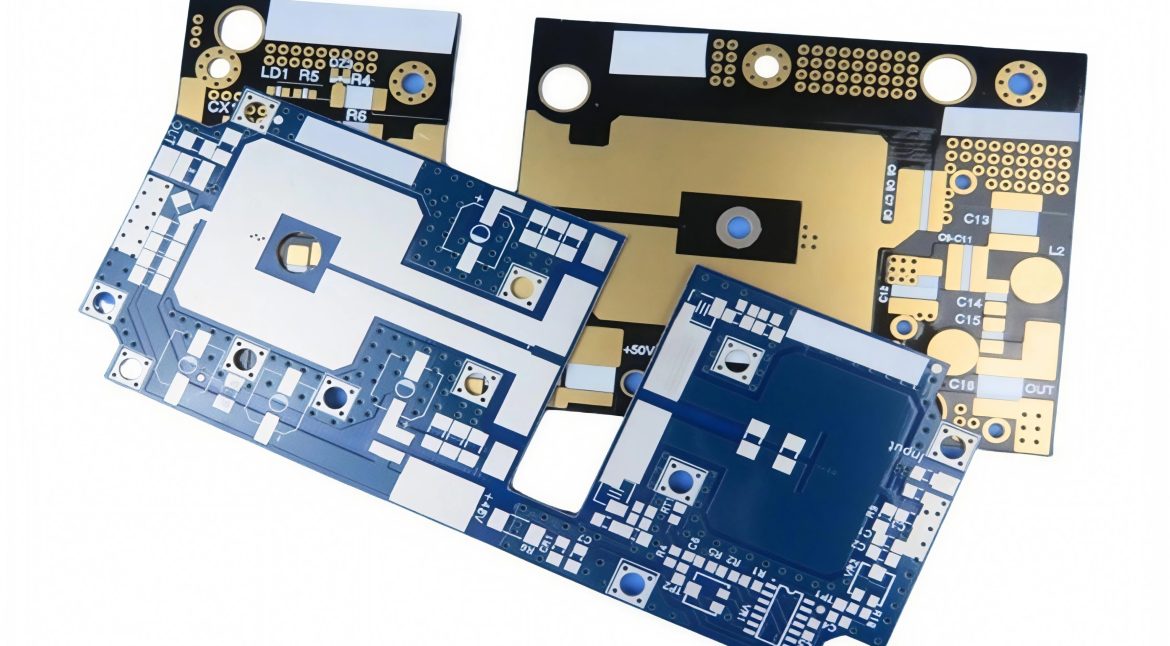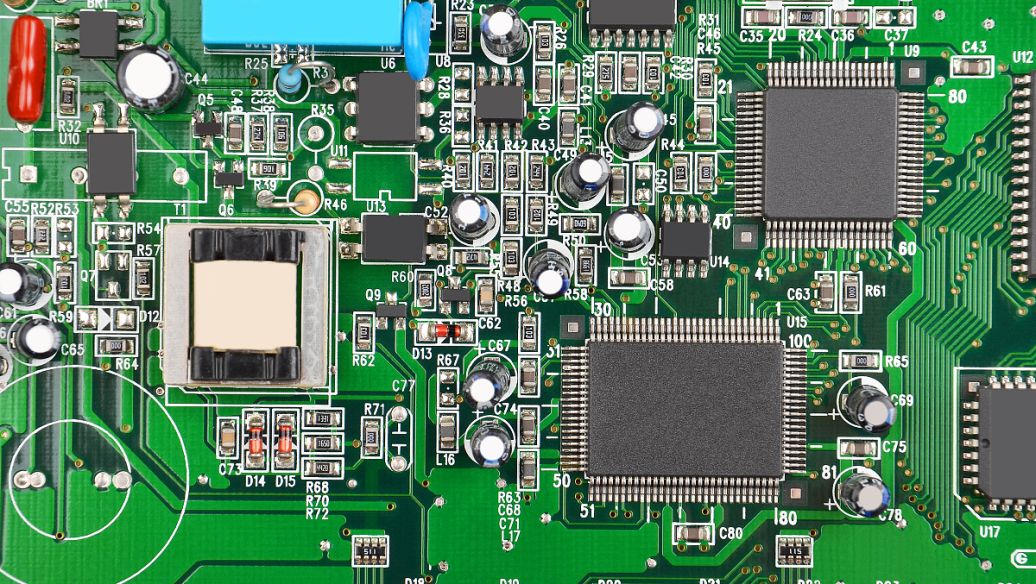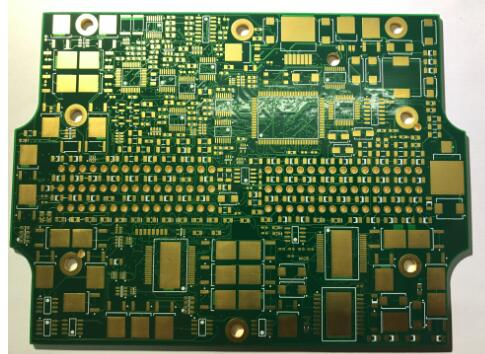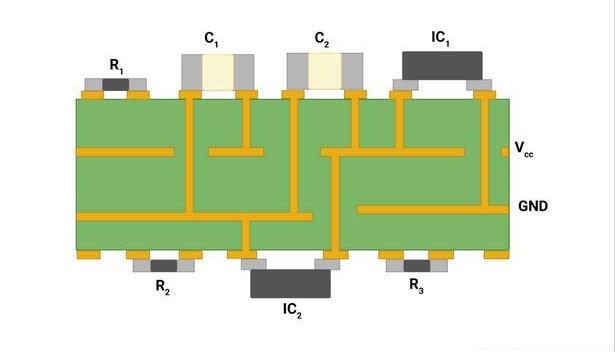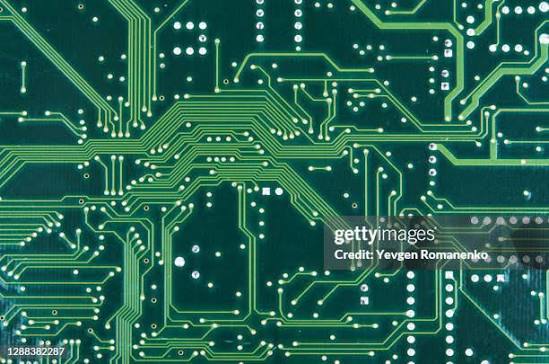
PCB Via Plugging: Types, Materials, Process and Cost Guide Why Via Plugging Matters in Modern PCB Manufacturing In multilayer printed circuit boards, vias are the small plated holes that carry signals and power between layers. An unfilled via leaves a hollow tube through the board, and that tube becomes a…
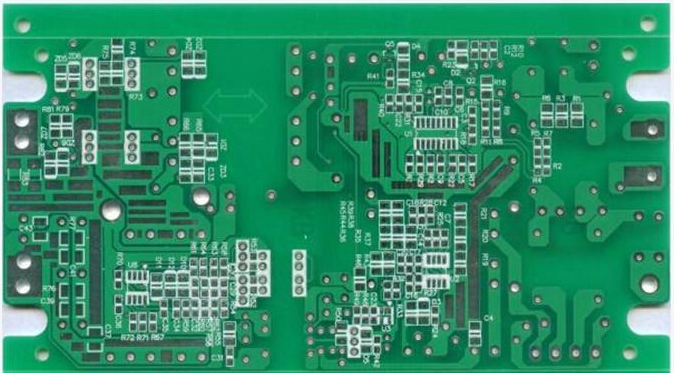
PCB potting and encapsulation are important protection technologies used to improve the environmental resistance, electrical insulation, and mechanical reliability of electronic assemblies. They are commonly applied to power electronics, automotive electronics, LED drivers, industrial controls, sensors, battery systems, and other products that must operate in demanding environments. Although potting is…
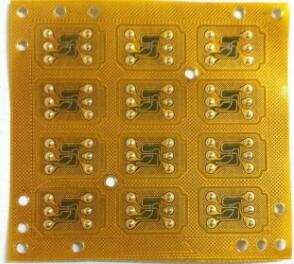
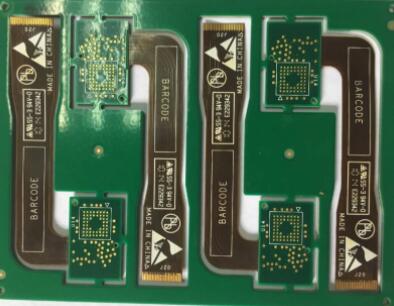
As electronic devices become smaller, thinner, and more integrated, fingerprint recognition PCB technology is increasingly used in smartphones, access-control systems, smart locks, automotive electronics, and other intelligent devices. These applications often require compact circuit structures and reliable operation under varying environmental conditions. For fingerprint recognition modules that use a rigid-flex…
Compared with conventional circuit boards, an advanced PCB typically features more layers, denser traces and vias, larger panel or unit sizes, thinner dielectric layers, and more demanding electrical and mechanical requirements. As electronic products continue to become smaller, faster, and more highly integrated, PCB designs are becoming increasingly complex. High-Tg,…
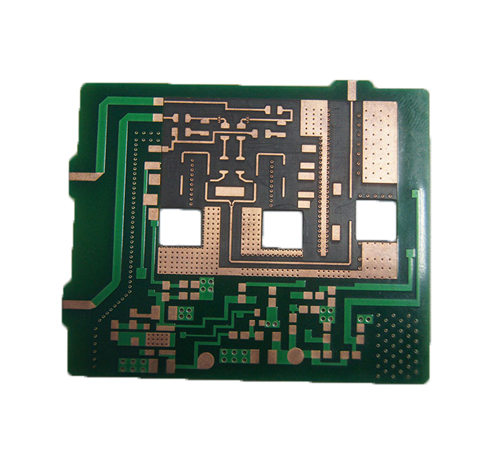
Although different high-frequency PCB products may look almost identical from the outside, their internal materials, manufacturing tolerances, surface conditions, and process controls can be significantly different. These differences can have a major impact on PCB durability, electrical performance, assembly yield, and long-term reliability. For RF, microwave, and high-speed applications, a…
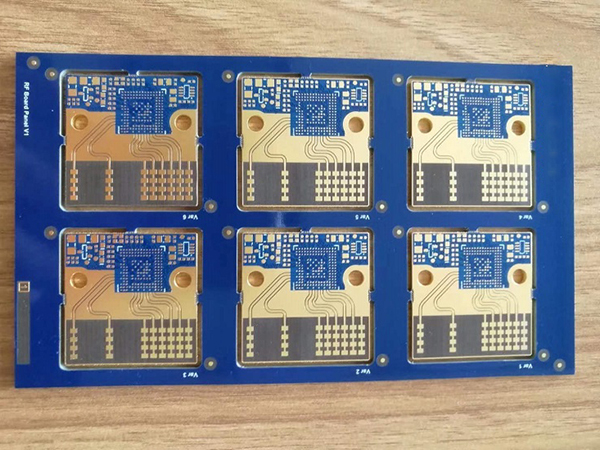
A high-frequency PCB is generally designed for applications in which signal frequencies extend into the high-hundreds-of-megahertz, gigahertz, or even millimeter-wave range. These boards are widely used in automotive radar, satellite communications, wireless communication equipment, RF systems, high-speed networking, and other advanced electronic applications. As signal frequencies and edge rates increase,…
As wireless communication, optical communication, high-speed networking, and advanced electronic systems continue to evolve, PCB technology is facing increasingly demanding electrical and manufacturing requirements. The development of RF front-end modules, high-speed digital circuits, integrated circuits, and microwave systems has significantly increased the need for specialized high-frequency PCB solutions. Compared with…
The automotive industry is increasingly adopting remote antenna modules, particularly integrated shark fin antenna systems, to support terrestrial radio, satellite communication, navigation, cellular connectivity, and other wireless functions. As antenna structures become more compact and the radio receiver is often located far from the physical antenna, maintaining signal quality over…
As electronic products continue to become smaller, faster, and more highly integrated, the demand for advanced multilayer PCB technology is increasing rapidly. Modern electronic devices commonly use BGA packages, high-density routing, fine-pitch components, and increasingly complex interconnections. These requirements place greater demands on PCB manufacturing accuracy, electrical testing, via technology,…
As electronic systems continue to operate at higher frequencies and faster data rates, PCB designers must pay increasing attention to high-frequency PCB design and signal integrity. At high frequencies, PCB traces are no longer simple electrical connections. Their geometry, reference planes, dielectric materials, vias, return paths, and surrounding structures all…