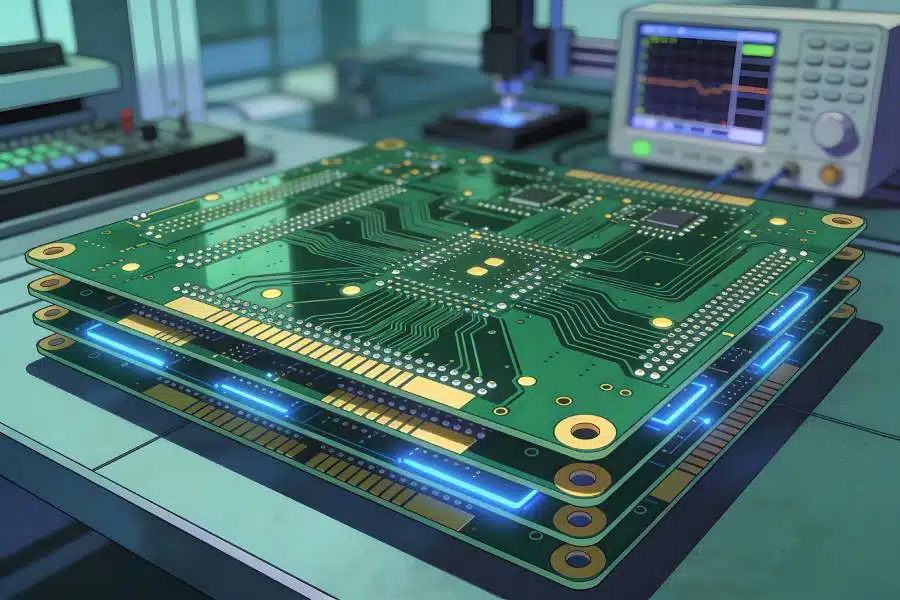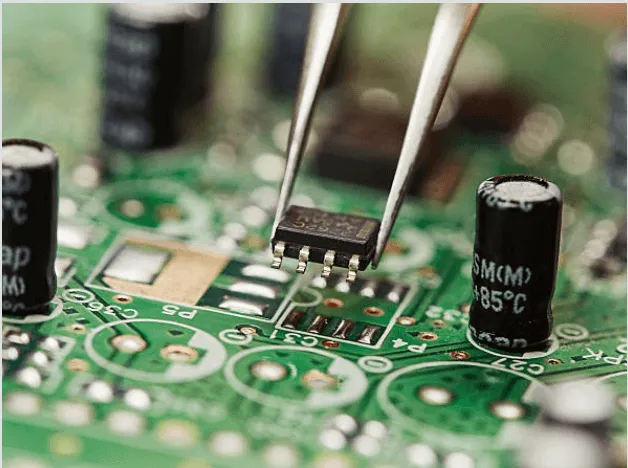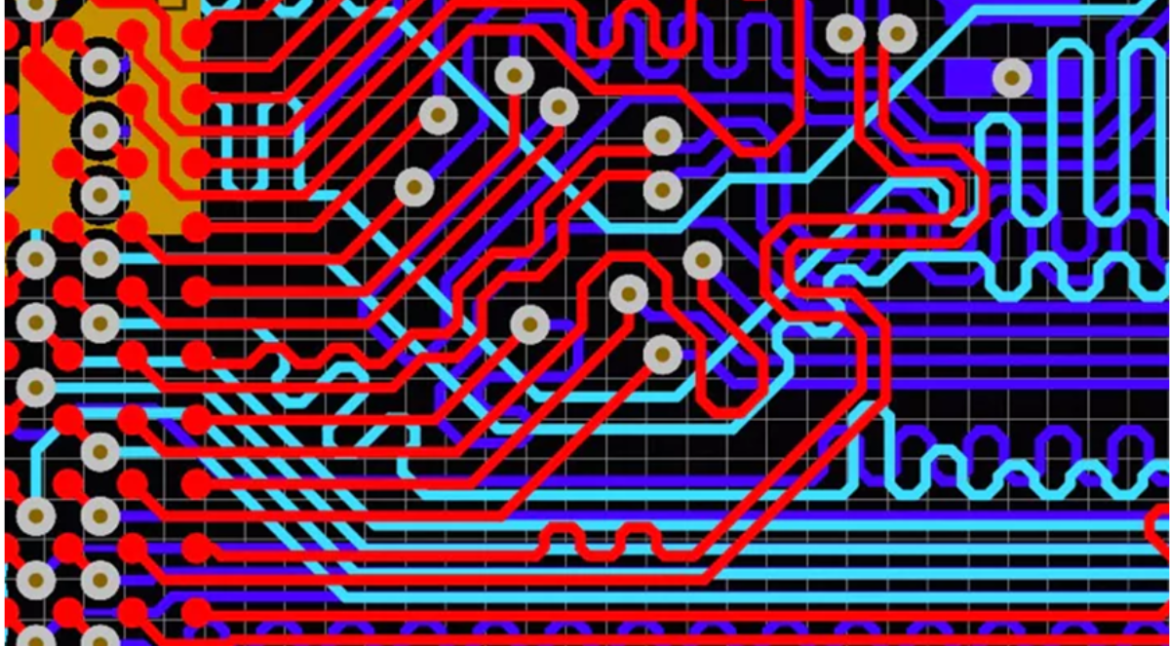
The Relationship Between PCB Impedance and High-Speed Circuit Boards With the continuous development of high-speed electronic products, modern circuit boards are required to transmit increasingly faster signals while maintaining stable performance. In advanced electronic applications such as communication equipment, automotive electronics, industrial control systems, and consumer devices, signal quality…
PCB Thermal Design Guide and Small Batch PCB Manufacturing Solutions In modern electronic products, thermal performance has become a critical factor affecting reliability, lifespan, and overall system stability. Effective PCB thermal design helps control component temperature, improve heat dissipation efficiency, and ensure that electronic devices operate safely under different working…
HDI PCB Browning Process and Causes of PCB Copper Peeling With the continuous development of electronic products toward miniaturization, higher performance, and greater reliability, HDI PCB technology has become an essential solution for advanced electronic applications. High-density interconnect boards require precise manufacturing processes to ensure strong layer bonding, stable…
Understanding COB Packaging on HDI PCB and PCB Proofing Requirements Modern electronic products continue to demand smaller sizes, higher performance, and improved reliability. To achieve compact designs with excellent electrical performance, manufacturers increasingly use advanced technologies such as HDI PCB, miniaturized components, and innovative chip packaging solutions. The same discipline…
What Is the Relationship Between Multilayer PCB and High TG PCB Materials? With the rapid development of electronic products, modern devices require higher performance, smaller sizes, and greater reliability. As circuit complexity increases, Multilayer PCB technology has become an essential solution for applications requiring high-density wiring, improved electrical performance,…
In modern electronics, Control PCBs have become an essential part of systems that require intelligent signal processing, monitoring, automation, and decision-making. Unlike conventional PCBs that primarily provide electrical connections between components, a control PCB integrates processing devices, communication interfaces, power management circuits, sensors, and input/output interfaces to control the operation…
OSP Surface Finish Technology: Why It Is Replacing HASL in PCB Manufacturing With the continuous development of electronic products toward miniaturization, high density, and higher reliability, PCB surface finishing technology plays an increasingly important role in ensuring soldering quality and long-term product performance. Among various surface finishing options, OSP Surface…
Blind and Buried Vias in PCB: Design, Manufacturing, Applications, and Key Differences Blind and buried vias are essential technologies in advanced multilayer PCB and HDI PCB design. As electronic devices become smaller, more powerful, and more densely integrated, conventional through-hole vias can consume valuable routing space and limit component placement.…
4-Layer PCB: Stackup, Design, Manufacturing Process, Applications, and Cost As modern electronic products become increasingly compact and functionally complex, PCB design must accommodate higher component density, faster signal transmission, improved power distribution, and better electromagnetic compatibility. For many applications, a 4-layer PCB provides an effective balance between electrical performance, design…
Ammeter vs. Voltmeter vs. Multimeter: Differences, Types, Uses, and Safety Guide Electrical parameter measurement is essential for circuit design, troubleshooting, testing, and maintenance. Instruments such as ammeters, voltmeters, and multimeters help engineers and technicians evaluate circuit behavior, identify faults, verify electrical performance, and ensure reliable operation. An ammeter is primarily…