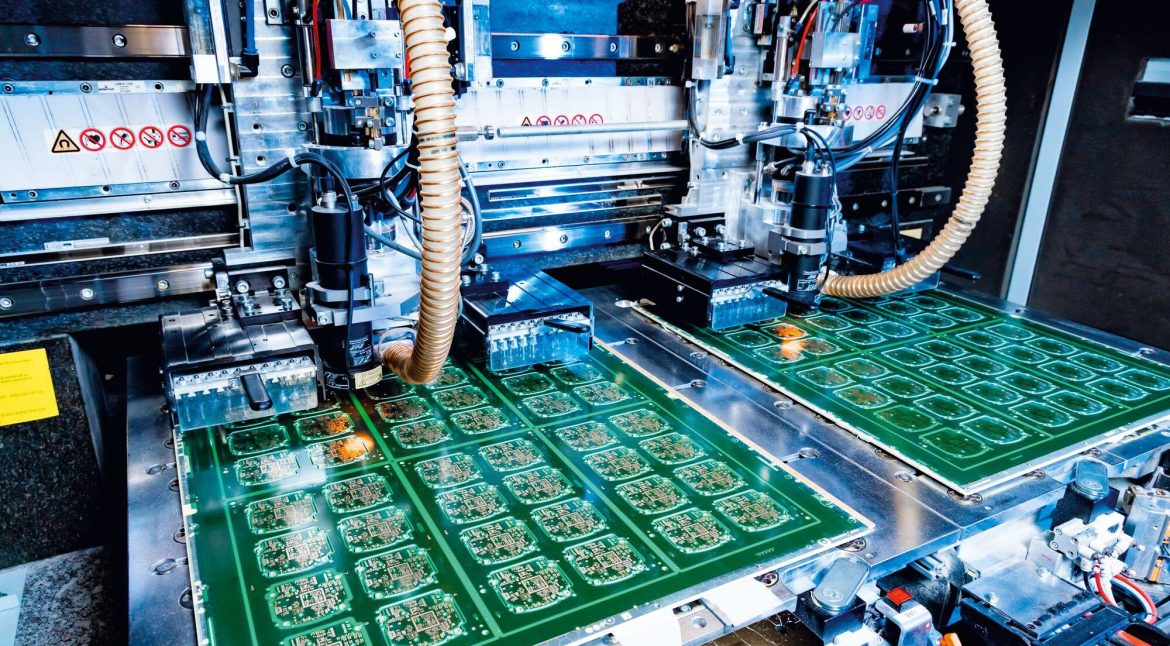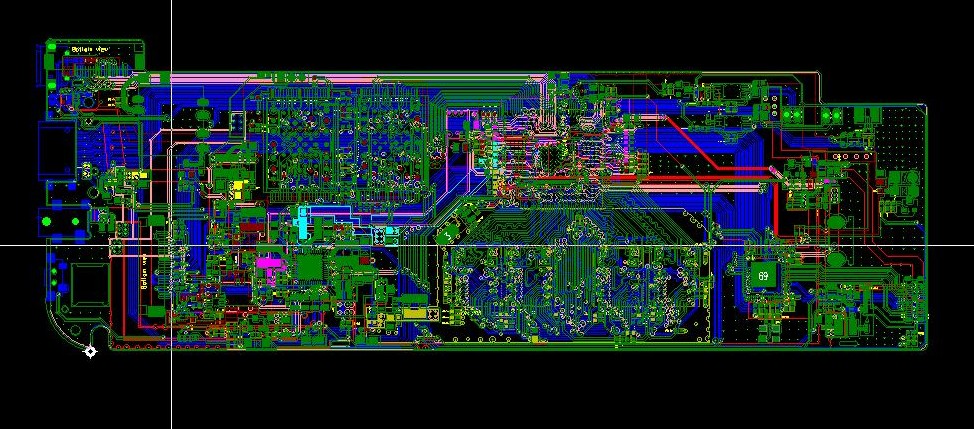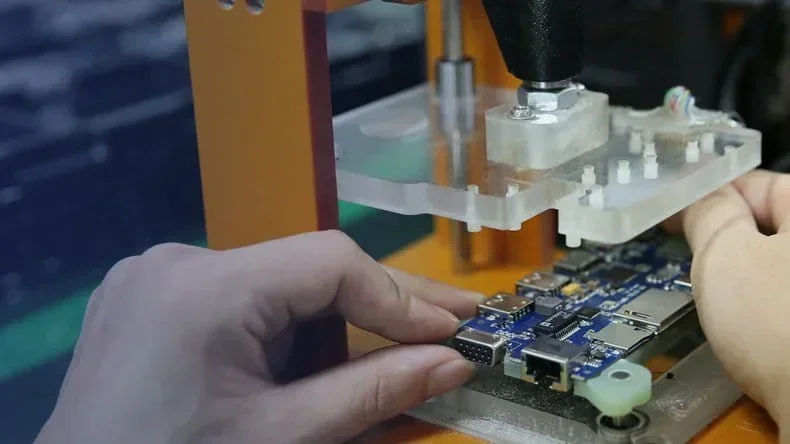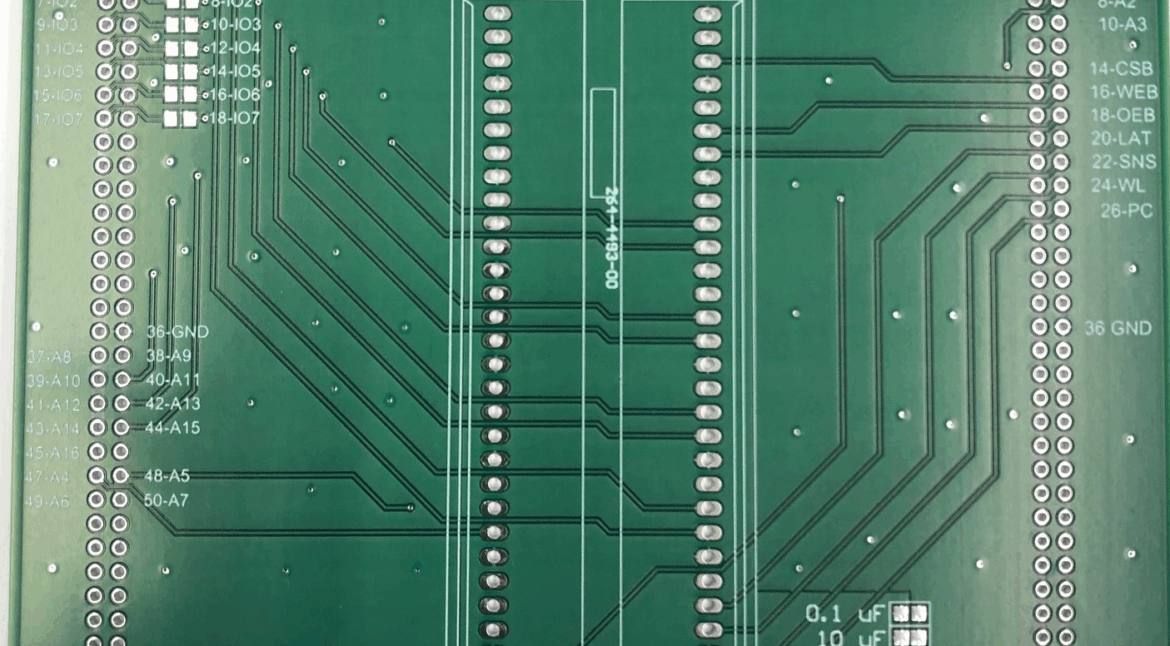
PCB V-Cut Panelization: Angles, Tolerances and Spacing V-cut is the fastest way to hold several boards in one panel and to separate them afterwards. A pair of blades cuts a V shaped groove along both faces of the panel, leaving a thin web of material in the middle, and the…
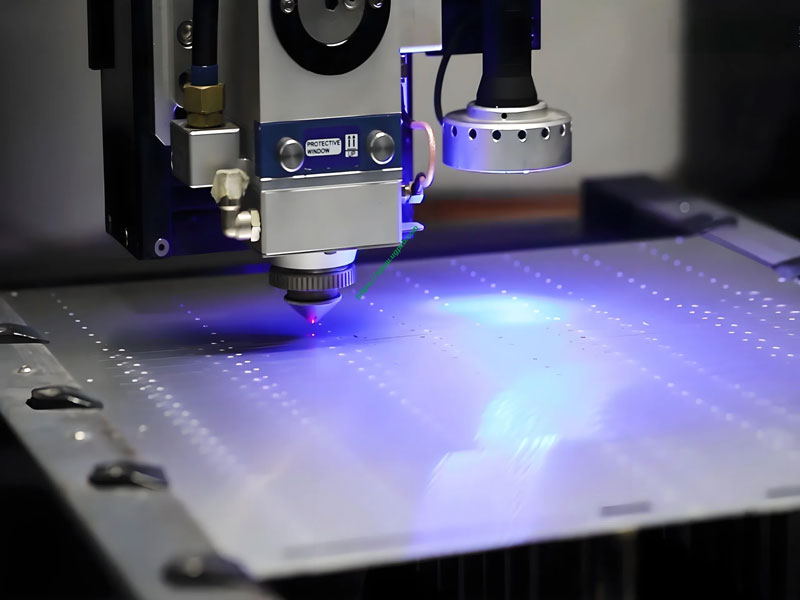
Breadboard versus Prototype Board: Choosing a Build Method Every circuit gets built twice: once in a form that is easy to change and once in a form that behaves like the final product. A breadboard and a prototype board sit at those two stages, and treating them as interchangeable is…
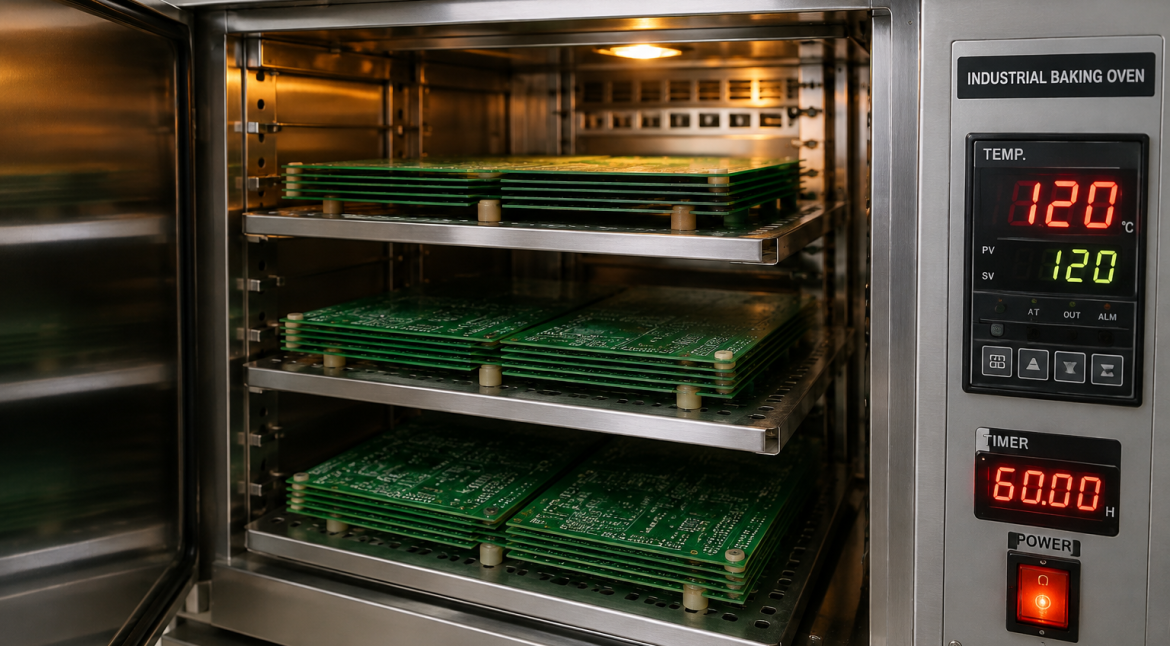
PCB Warpage: Causes, Measurement and Control A board that is flat when it leaves the fabricator can still warp by the time it reaches the assembly line, and a board that warps during reflow will place components in the wrong position or fail to sit in the fixture at all.…
PCB Microphone Port Design: Letting the Sound In Electronics manufacturing has become a discipline of small details. Solder paste volumes, placement accuracy, temperature profiles and inspection limits all add up to the final result. This guide looks at PCB microphone port design from the perspective of a PCBA factory floor,…
PCB Strain Gauge Layout: Measuring a Tiny Stretch Electronics manufacturing has become a discipline of small details. Solder paste volumes, placement accuracy, temperature profiles and inspection limits all add up to the final result. This guide looks at PCB strain gauge layout from the perspective of a PCBA factory floor,…
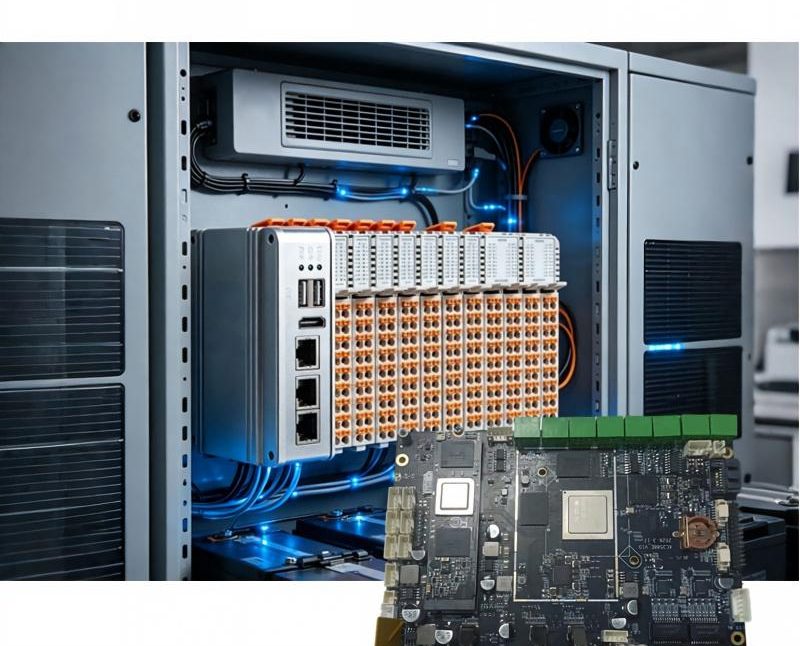
Industrial Control Board Design: EMC, Protection and Environment An industrial control board is not a consumer board with a wider temperature rating printed on it. The differences run through component choice, layer count, protection circuitry and the supervisory logic that keeps a machine running when something goes wrong. A board…
Right-Angle Routing in PCB Layout: Impedance and Reflection Avoiding right-angle routing is one of the first rules a new board designer learns, and it is repeated so often that it is rarely examined. The rule is not superstition, but it is also not the catastrophe that some guidelines imply. Understanding…
ESD Protection in PCB Layout: Grounding, Guard Rings and Clamping Electrostatic discharge is a natural phenomenon produced by contact, friction and induction between objects. It builds up over time, reaches voltages in the thousands or tens of thousands, carries very little charge, and lasts only briefly. Those characteristics are exactly…
Underfill Dispensing in PCB Assembly: Materials, Methods and Control Underfill is one of the few assembly processes that exists purely to compensate for a materials problem. A silicon die and an organic board expand at very different rates when they warm up, and the solder joints between them absorb all…
PCB LED String Layout: Wiring a Line of Emitters Buyers and engineers often focus on the finished product and forget the production line behind it. In practice, most field failures can be traced back to process decisions made during assembly. Understanding PCB LED string layout gives you a practical advantage…