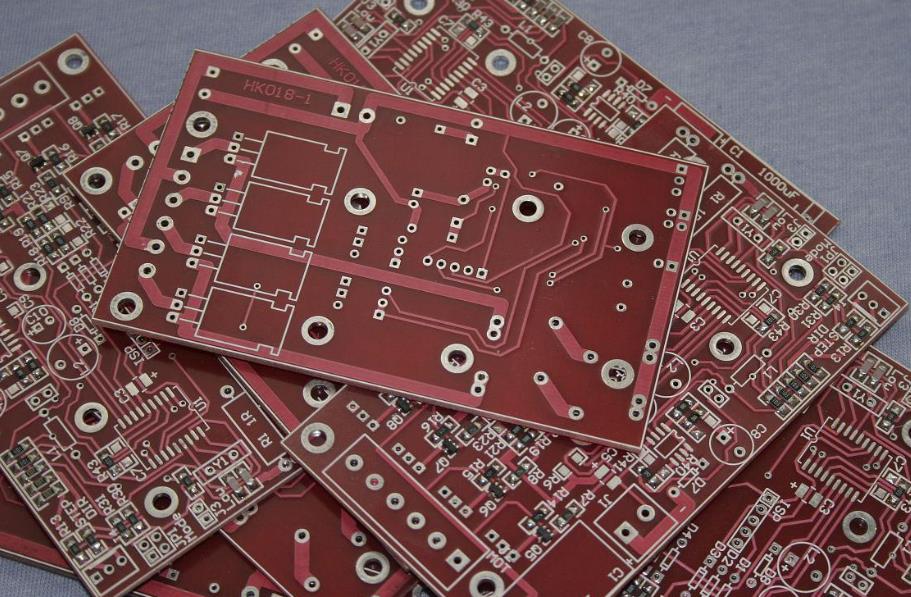
SMT Placement Accuracy and Machine Maintenance Guide SMT placement accuracy depends on the CAD library, component placement rules, machine calibration, and maintenance. A component cannot be placed correctly if its footprint is wrong or if the placement machine is not aligned. Accuracy must be planned during design and protected during…
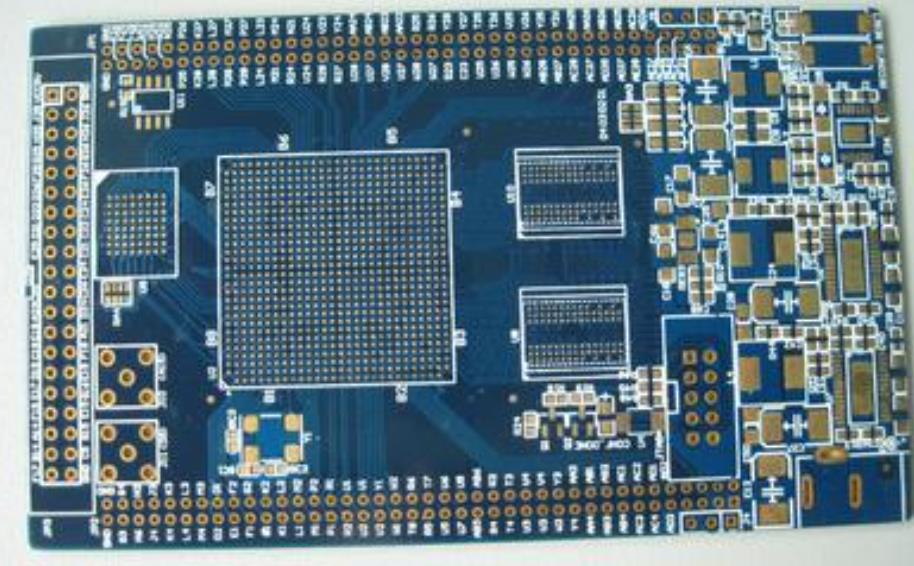
SMT solenoid valve maintenance and PNP Camera Maintenance Guide SMT solenoid valve maintenance and PNP camera calibration keep a placement machine accurate and reliable. The solenoid valve controls the compressed air used by cylinders, vacuum nozzles, and other moving parts. The PNP camera system positions components and reads fiducial marks.…
ICT in-circuit testing PCBA : Needle Bed Guide | gopcb ICT in-circuit testing for PCBA is a contact test method used to check manufacturing defects and defective components by testing the electrical connections and power behavior of online components. ICT has strong fault diagnosis capability and is widely used in…
SMT Machine Sensors and Tool Change Guide SMT machine sensors allow a pick-and-place machine to detect position, pressure, and safety conditions during every placement cycle. The sensor system is an important part of the whole SMT machine. Without sensors working together, the placement system cannot assemble boards reliably or safely.…
PCBA Quotation Process: Complete Pricing Guide The PCBA quotation process is a structured workflow used by customers and electronics manufacturers to agree on the price of PCB assembly. A good quotation process varies from one customer to another, but there are standard requirements that should be followed in every high-quality…
PCBA Component Damage Analysis: Crack and Stress Guide PCBA component damage analysis helps engineers find out why a surface mount component cracked, lifted, or failed during assembly. As electronic products become more densely packed, the number of components on a single board increases and the risk of damage also increases.…
SMT Prototype Assembly Requirements: Proofing Guide SMT prototype assembly requirements ensure that a proofing board is assembled correctly the first time. In the electronics industry, printed circuit boards are used as the mechanical and electrical base for almost every circuit. The prototype must verify both the design and the manufacturing…
RF Switch Module PCB Design: VXI and Layout Guide RF switch module PCB design must combine high-frequency circuit layout with reliable digital control. Modern wireless communication, mobile communication, radar, and satellite systems require switches with high speed, high power capacity, and high integration. A well-designed module can be controlled by…
Flying Probe PCBA Testing: System and Process Guide Flying probe PCBA testing is an electrical test method that moves small probes to each test point instead of using a fixed bed-of-nails fixture. It is an improvement of the online needle bed tester and is especially useful for prototypes, low-volume boards,…
PCBA Functional Testing: Principles and Process Guide PCBA functional testing verifies that the assembled circuit board works according to its design requirements. Inspection technologies such as AOI, X-ray, and in-circuit testing can find soldering and component defects, but they cannot prove that the complete board system operates correctly. Functional test…