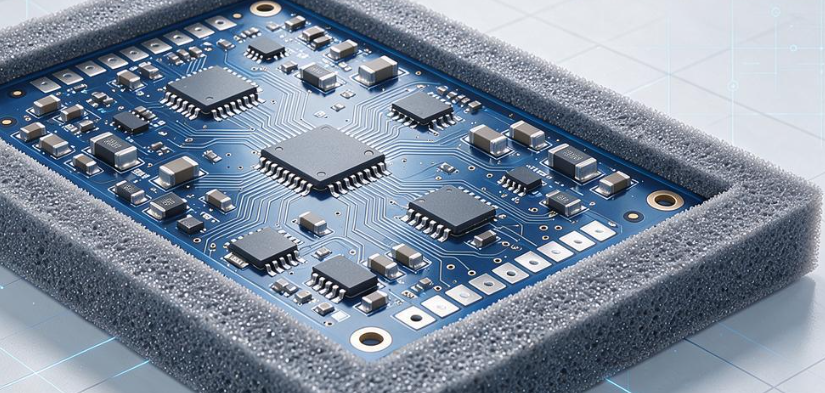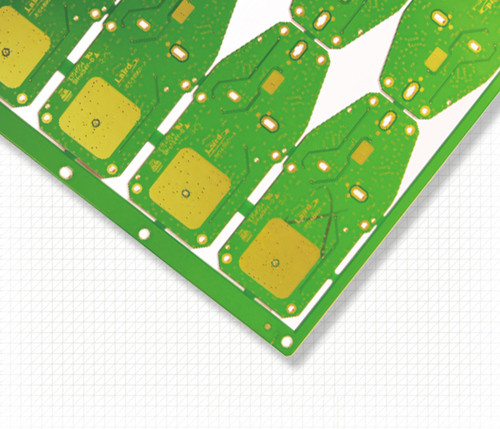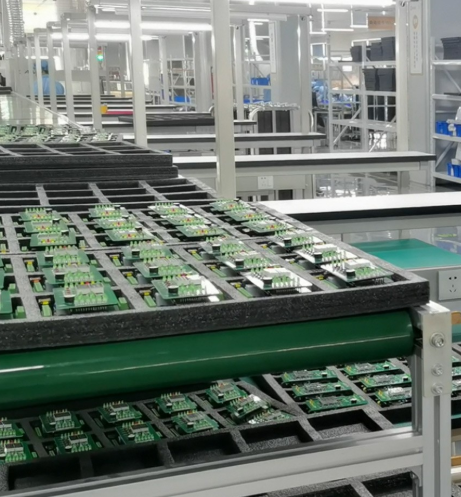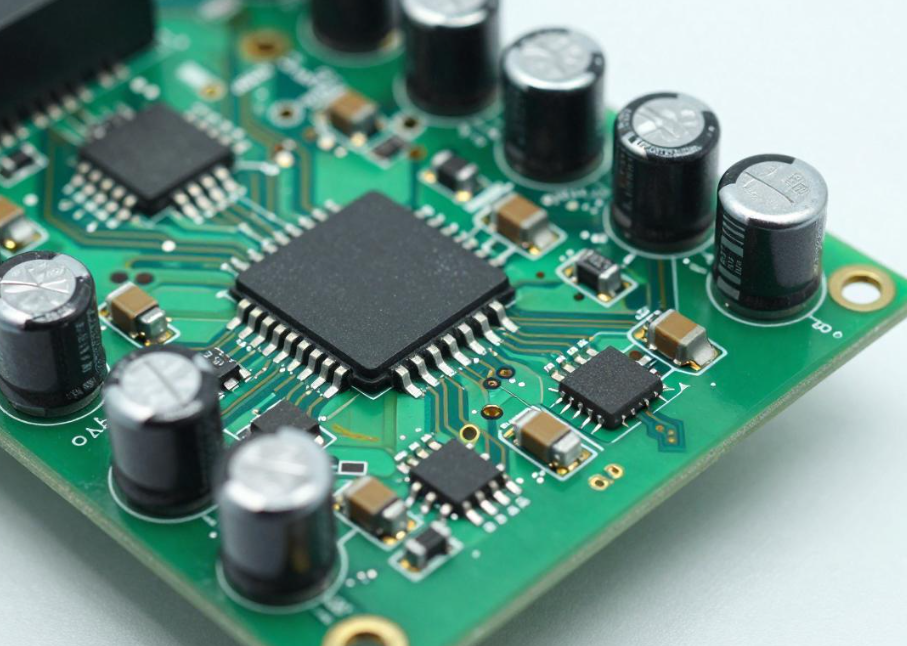
Step-Structure Rigid-Flex PCB Modern electronic products continue to become smaller, lighter, and more integrated. Conventional rigid circuit boards can provide excellent mechanical stability, but they are difficult to fit into products with curved, folded, or three-dimensional structures. Flexible circuits solve many of these mechanical challenges, but they may not provide…
Step-Structure Rigid-Flex PCB As modern electronic products become smaller, lighter, and more integrated, conventional rigid circuit boards may not provide enough mechanical flexibility or packaging freedom. A Step-Structure Rigid-Flex PCB combines rigid and flexible circuit sections within a single PCB structure, allowing designers to achieve both mechanical stability and controlled…
Multilayer Rigid-Flex PCB A Multilayer Rigid-Flex PCB combines rigid circuit sections with flexible circuit sections in one integrated printed circuit board. By combining the mechanical stability of rigid materials with the flexibility of polyimide-based circuits, this technology enables compact three-dimensional electronic designs while reducing the need for cables, connectors, and…
Introduction A Rigid-Flex PCB combines the structural stability of a rigid circuit board with the flexibility of a flexible circuit. This hybrid construction allows electronic designers to integrate rigid mounting areas with flexible interconnect sections within a single PCB structure. By reducing the need for separate cables, connectors, and wiring…
What Is a Power Amplifier PCB? A Power Amplifier PCB is a specialized printed circuit board designed to increase the power level of an electrical or electronic signal so it can effectively drive a load such as a loudspeaker, RF transmitter, motor, or other high-power electronic device. Unlike a…
Laser Sensing PCB: Transforming Precision and Efficiency Integrating laser sensing technology into printed circuit boards has opened new possibilities for modern electronic systems. A Laser Sensing PCB combines a laser sensor with the electrical circuitry required for signal processing, power management, communication, and control. This integrated approach enables accurate…
DUV LED PCB: Transforming Industries with Deep Ultraviolet Light Deep ultraviolet technology is opening new possibilities across healthcare, water treatment, industrial processing, environmental monitoring, and other specialized applications. At the center of many of these systems is the DUV LED PCB, which provides the electrical interconnection, mechanical support, and…
What Is a Power Lighting PCB? A Power Lighting PCB is a printed circuit board specifically designed to support LED lighting systems by providing electrical interconnection, power distribution, component mounting, and thermal management. Unlike a conventional PCB used primarily for signal routing, an LED lighting board may need to handle…
Ceramic PCB: Everything You Need to Know Introduction As electronic devices become more powerful, compact, and thermally demanding, conventional FR-4 circuit boards are not always sufficient for advanced applications. Engineers increasingly require PCB materials that can provide excellent thermal conductivity, electrical insulation, dimensional stability, and reliability under demanding operating conditions.…
What Are Blind and Buried Vias in PCB Design? As electronic products become smaller, thinner, and more powerful, PCB designers increasingly need higher circuit density without increasing the physical board size. Advanced via structures provide an effective solution by creating vertical electrical connections between selected PCB layers. A PCB…