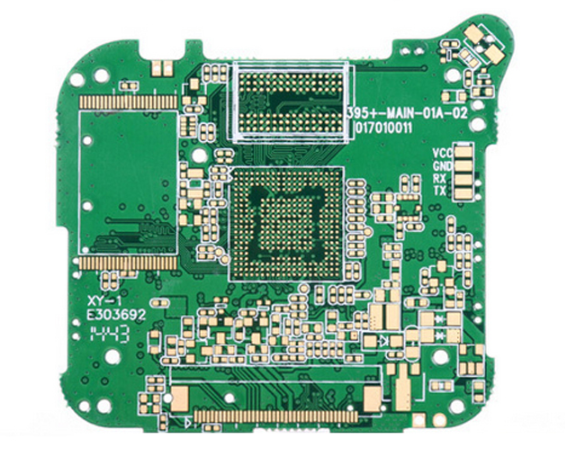
A PCB Via is one of the most important structural elements in a multilayer printed circuit board. Vias provide electrical connections between different copper layers and can also serve mechanical or positioning purposes during PCB manufacturing and assembly. Drilling is a significant part of the PCB fabrication process, and drilling-related…
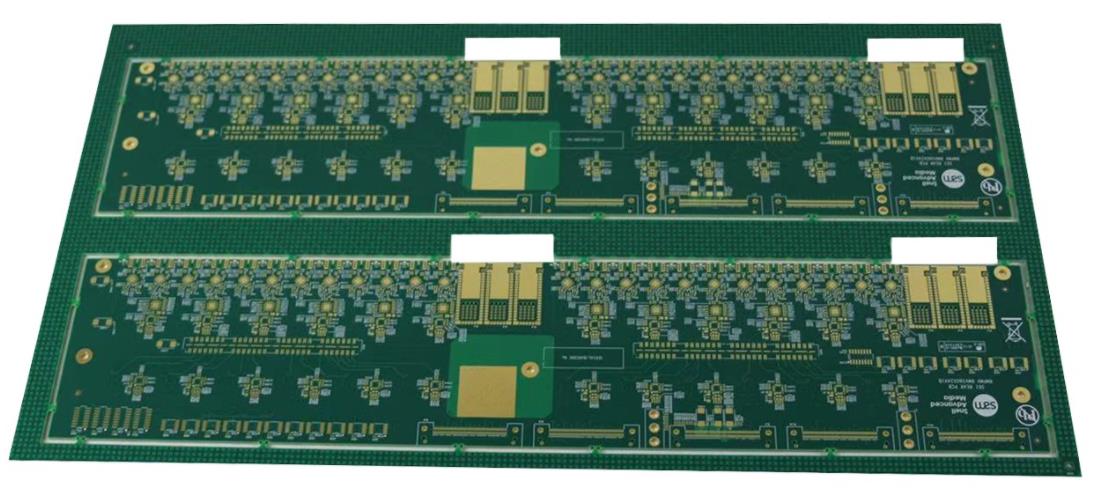
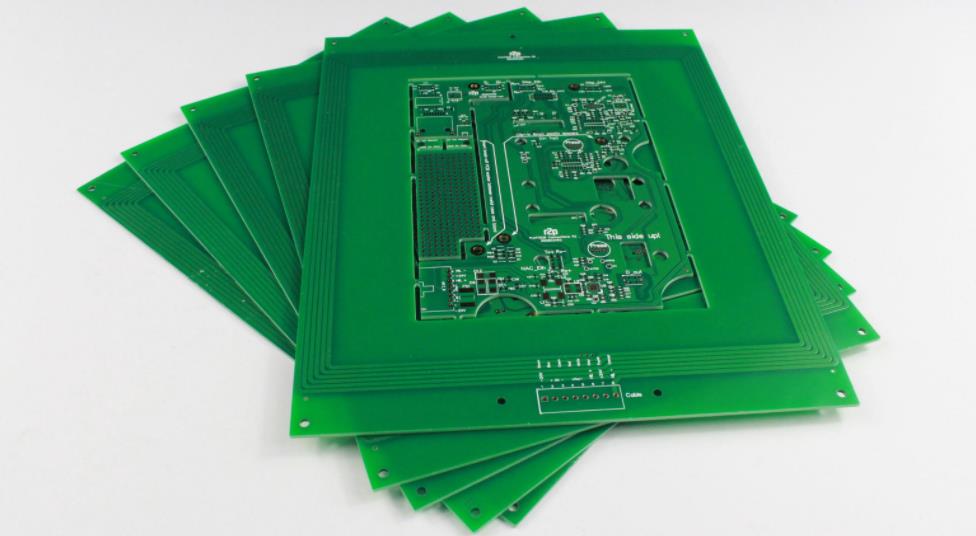
A printed circuit board (PCB) provides the electrical and mechanical foundation for electronic components. From simple single-sided boards to complex multilayer circuits, different production techniques can be used depending on the required precision, production volume, materials, and application. Modern PCB Manufacturing typically relies on automated imaging, CNC drilling, laser processing,…
Design for Manufacturability (DFM) is a design methodology focused on making printed circuit boards easier, more reliable, and more cost-effective to manufacture. It is also a core technology of concurrent engineering, which brings design and manufacturing considerations together from the early stages of product development. Design and manufacturing are two…
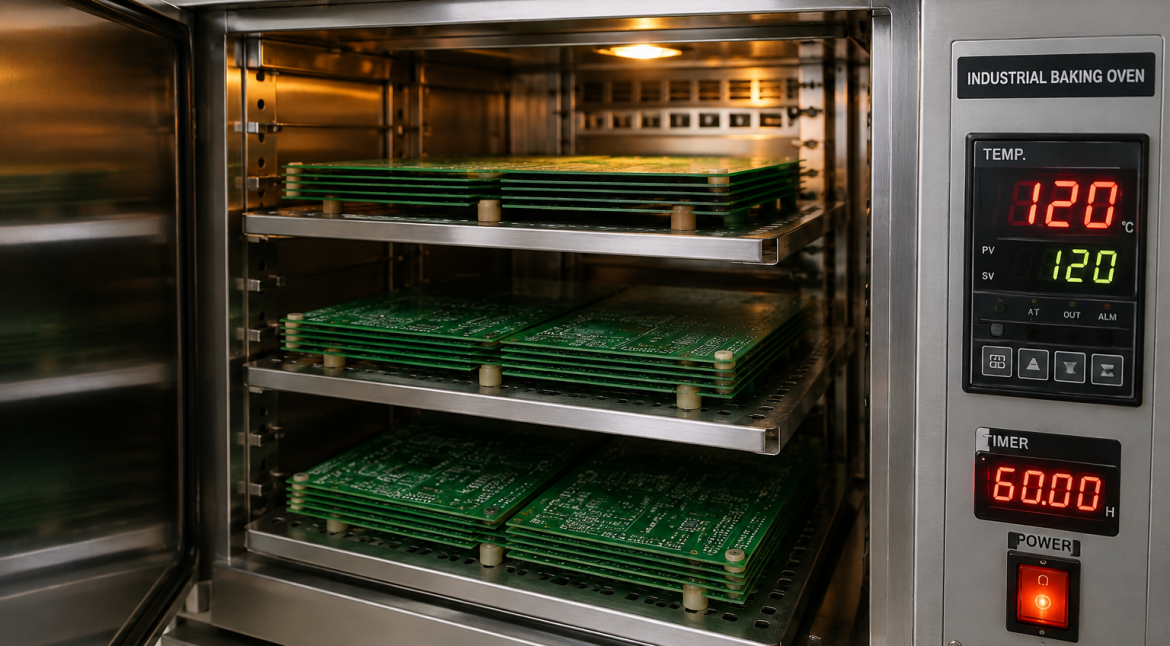
How long can a PCB be stored after manufacturing? When should a PCB be baked before SMT assembly, and what temperature and baking time should be used? These are important questions for PCB Storage and PCB Assembly. Improper storage can allow PCBs to absorb moisture from the environment. If moisture-sensitive…
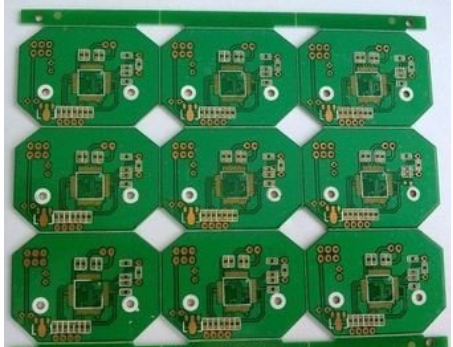
Before starting mass production of a new PCB, PCB Prototyping is an important step for verifying design feasibility, manufacturing capability, product performance, and production quality. A prototype is more than a preliminary sample. It provides an opportunity to identify design and manufacturing risks before committing to a larger production volume.…
During PCB Manufacturing and PCB prototyping, copper adhesion problems can occasionally occur. One common defect is PCB Copper Peeling, in which a copper trace or copper foil separates from the underlying substrate. Copper peeling can affect electrical continuity, mechanical reliability, soldering performance, and the service life of the finished PCB.…
Custom LiDAR PCB Assembly for Autonomous Driving LiDAR gives an autonomous vehicle its depth perception. The sensor fires light pulses, times the returns, and builds a point cloud the vehicle can act on. Every one of those steps depends on the circuit board that drives the laser, shapes the signal,…
Materials for 5G Communication PCB: A Buyer Guide 5G hardware pushes every part of a board harder than older radio equipment did. Higher frequencies, wider bandwidth and denser layouts leave less room for material losses. The laminate, the copper and the resin system now set the ceiling on performance. Buyers…
AI Server PCB Solutions for High-Speed High-Density Builds AI servers push more current, more layers and faster edges through one board than most product teams have built before. The board is no longer a passive carrier. It sets how cleanly signals arrive, how much heat leaves the package, and how…
Rapid PCB Prototype Delivery: How Fast Can It Be? Prototype speed is usually quoted as a single number, yet that number hides the work behind it. A two-layer board can leave the factory in a day, while a ten-layer board needs lamination cycles that cannot be compressed. The real question…