CO₂ laser drilling

PCB Conformal Coating Thickness Guide: Standards & Best Practices

PCB Conformal Coating Thickness: Standards, Measurement & Best Practices As electronic devices continue to evolve toward miniaturization, higher power density, and greater reliability, the long-term stable operation of PCBs has become a critical factor in product design. In automotive electronics, industrial controls, medical devices, aerospace, and outdoor electronics, PCBs often…
Quick Turn PCB

Industrial PCB Prototype Manufacturing: Process, Cost & Lead Time Guide

Industrial PCB Prototype Manufacturing: Process, Cost & Lead Time Complete Guide In industrial automation, industrial control, power equipment, robotics, instrumentation, energy systems, and industrial IoT, PCBs often need to operate reliably over long periods while enduring temperature variations, mechanical vibration, electrical stress, and harsh industrial environments. Therefore, before moving to…
Mask adhesion check on an SMOBC board after plating

4-Layer PCB for EV Charging Stations: Design & Manufacturing Guide

4-Layer PCB for EV Charging Stations: Complete Design, Material & Manufacturing Guide With the rapid adoption of electric vehicles, EV charging stations (EV Charging Stations) demand ever-higher reliability, communication capability, electrical safety, and long-term stability from their control systems. In modern AC and DC chargers, the control board typically integrates…
PCB Reliability

2026 PCB Membrane Switch Panel Cost Guide | Prices & Factors

2026 PCB Membrane Switch Panel Cost: Prices, Influencing Factors & Manufacturing Guide A PCB membrane switch panel is an electronic control component that combines a membrane switch human-machine interface with a PCB circuit board. It is widely used in industrial control equipment, medical devices, instrumentation, consumer electronics, automotive electronics, smart…
Sustainable PCB

PCB Electroless Copper vs. Electrolytic Copper Plating: Key Differences, Process Flow & Quality Control

PCB Electroless Copper vs. Electrolytic Copper Plating: Key Differences, Process Flow & Quality Control In PCB manufacturing, copper is the most essential conductive material. Traces, pads, vias, and interlayer interconnect structures all rely on copper layers for stable electrical connections. Terms like PCB electroless copper, electrolytic plating, copper deposition, and…
R-FPCB

2026 Any-Layer HDI PCB Cost Guide | Price Factors & Reduction

2026 Any‑Layer HDI PCB Manufacturing Cost: Price Breakdown, Key Factors & Reduction Guide As electronic devices become smaller, faster, and more functionally integrated, traditional multilayer PCBs are increasingly challenged by limited routing space. Any‑layer HDI PCB technology offers a solution by using microvias, sequential build‑up structures, and advanced interconnection techniques…
PCB Assembly

2026 DIP PCB Assembly Price Guide | Cost Factors & Global Comparison

2026 DIP PCB Assembly Price: Complete Cost Guide & Global Comparison In the rapidly evolving electronics manufacturing industry, DIP PCB assembly pricing has become a key concern for OEM companies, electronics developers, and procurement engineers. For global OEM customers, understanding DIP PCB assembly costs not only helps control manufacturing budgets…
Multilayer PCB

PCB Manufacturing Process and Reliability Design: From Fabrication to Grounding

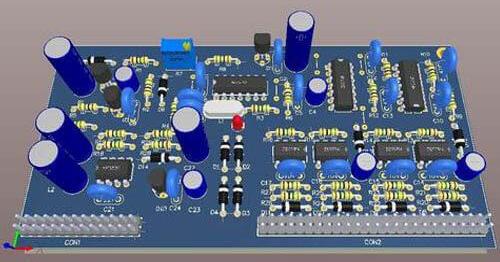
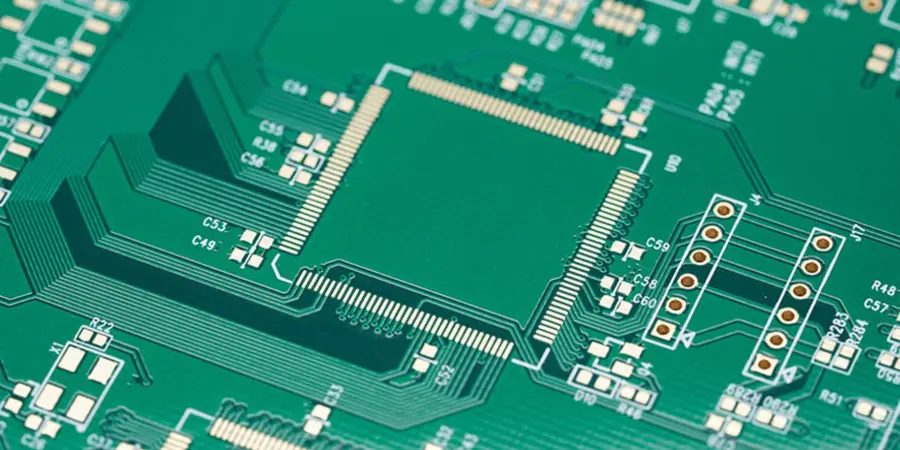
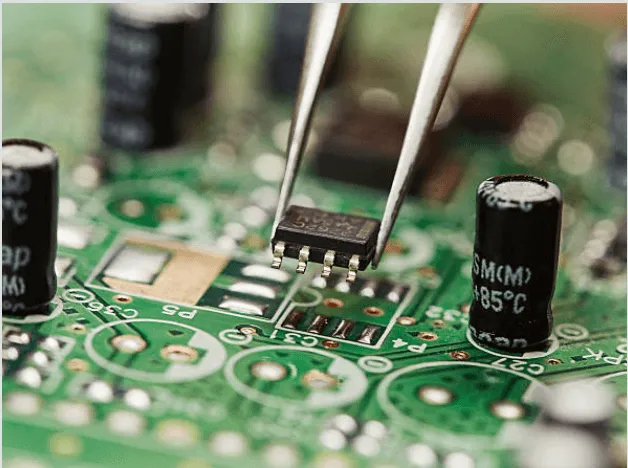
A PCB Manufacturing Process involves multiple precision-controlled steps, including circuit pattern formation, drilling, copper plating, solder mask application, surface finishing, electrical testing, and final inspection. Each stage directly affects the electrical performance, mechanical strength, solderability, and long-term reliability of the finished PCB. According to the required circuit structure, PCBs can…