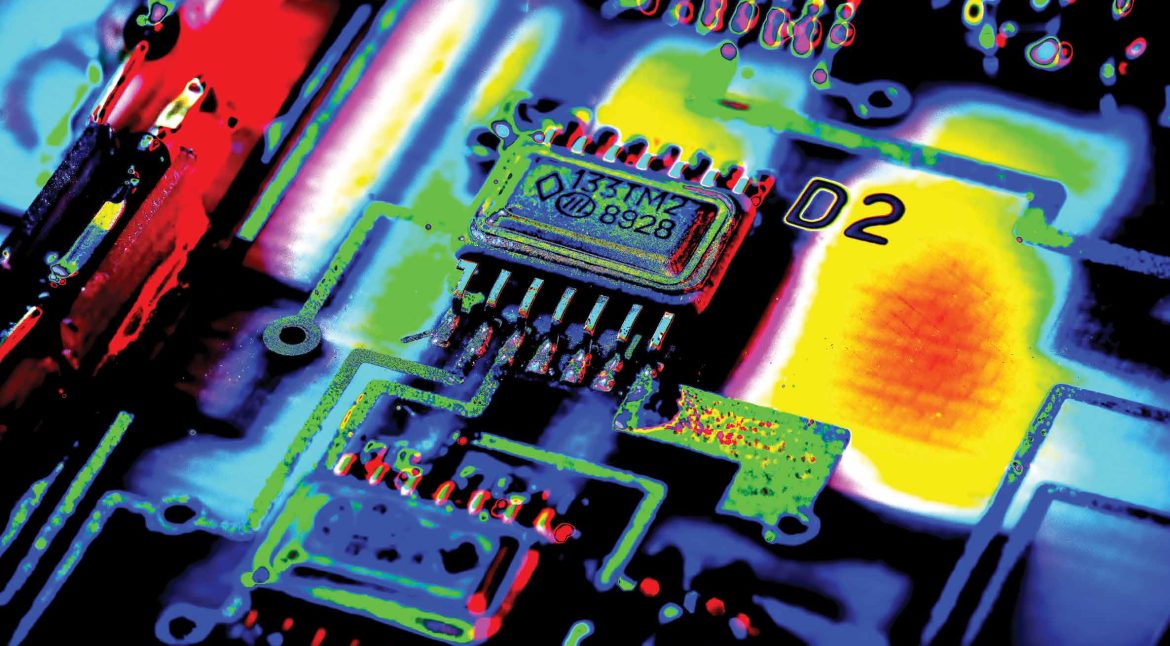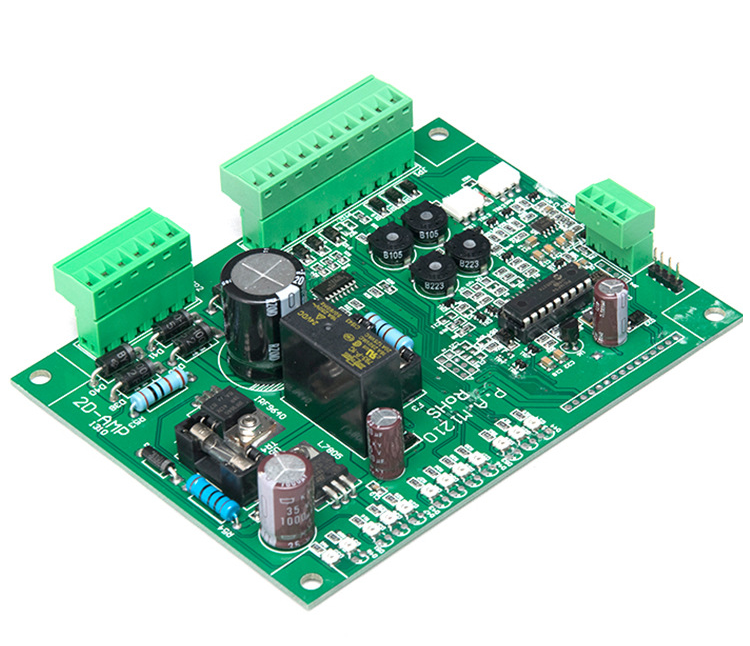
Computer PCB Price Guide: Motherboard, GPU and Server Boards Almost every product with a processor contains a computer board, and the price range across that family is enormous. A simple control board with two layers and a microcontroller sits at the bottom, while a server motherboard with twelve layers and…
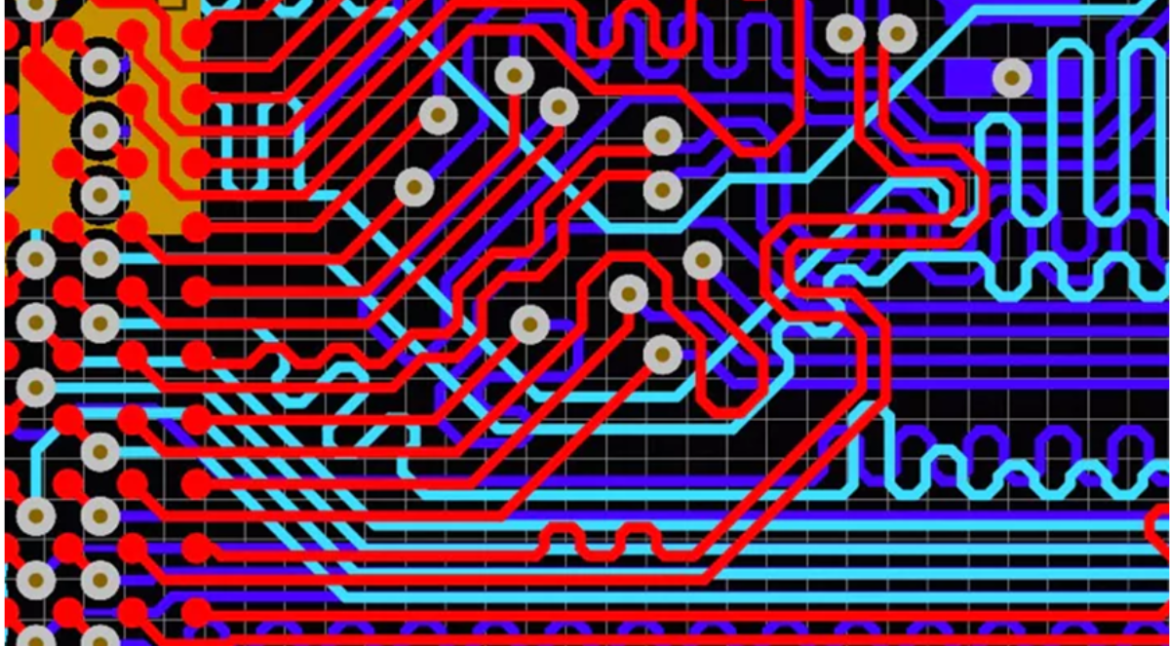
High Density Layout: Escape Routing and Fanout for Dense Boards Density is what forces a layout to become clever. When a device has more pins than the space around it can escape, the routing must go through the board rather than around the package, and every decision about vias, layers…
High Frequency PCB in Mobile Devices: Materials and Layout A modern phone or watch contains more radio frequency circuitry than a laboratory instrument did a generation ago, and almost all of it sits on the main board rather than in a separate module. The consequence is that the high frequency…
Hard Drive PCB: Signal Integrity, Motor Drive and Power A hard drive PCB is unusual among circuit boards because it combines three very different functions on a small piece of laminate that sits on the underside of a mechanical assembly. It has to run a precision analogue read channel, drive…
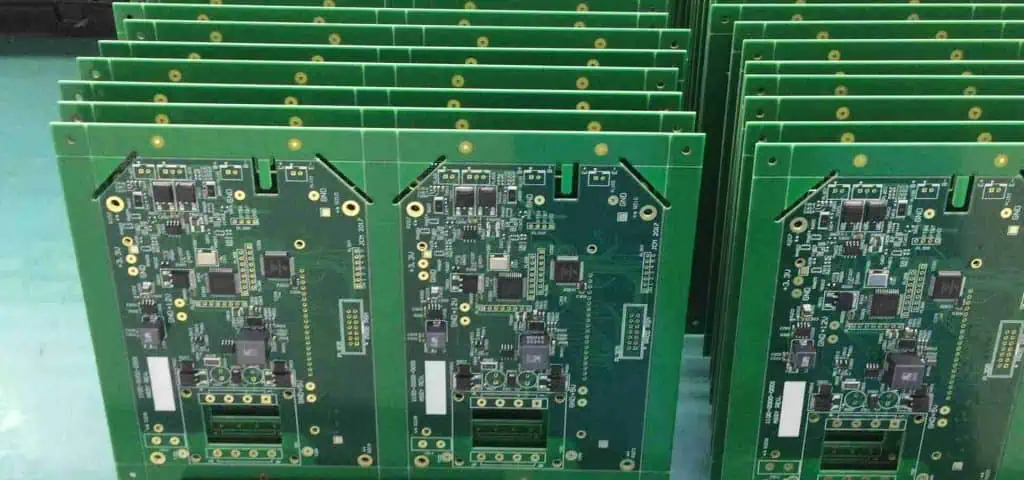
PCB Panelisation: V-Cut, Stamp Holes and Spacing Very few boards are built one at a time. Several copies, or several different designs, are combined into a panel so that the fabricator and the assembly line handle one object instead of many, and the way they are joined decides both the…
PCB Design Review: Mistakes That Cost a Revision Most board revisions are not caused by a circuit that did not work. They are caused by details that were never checked: a footprint with the wrong pad pitch, a connector placed where the enclosure will not let the cable bend, a…
PCB Stack-Up Design: Layers, Planes and EMC The stack-up is the arrangement of copper layers and dielectric between them, and it is decided once for a design. It sets the cost of the board, the impedances that can be achieved, the crosstalk between routing layers and the emissions the product…
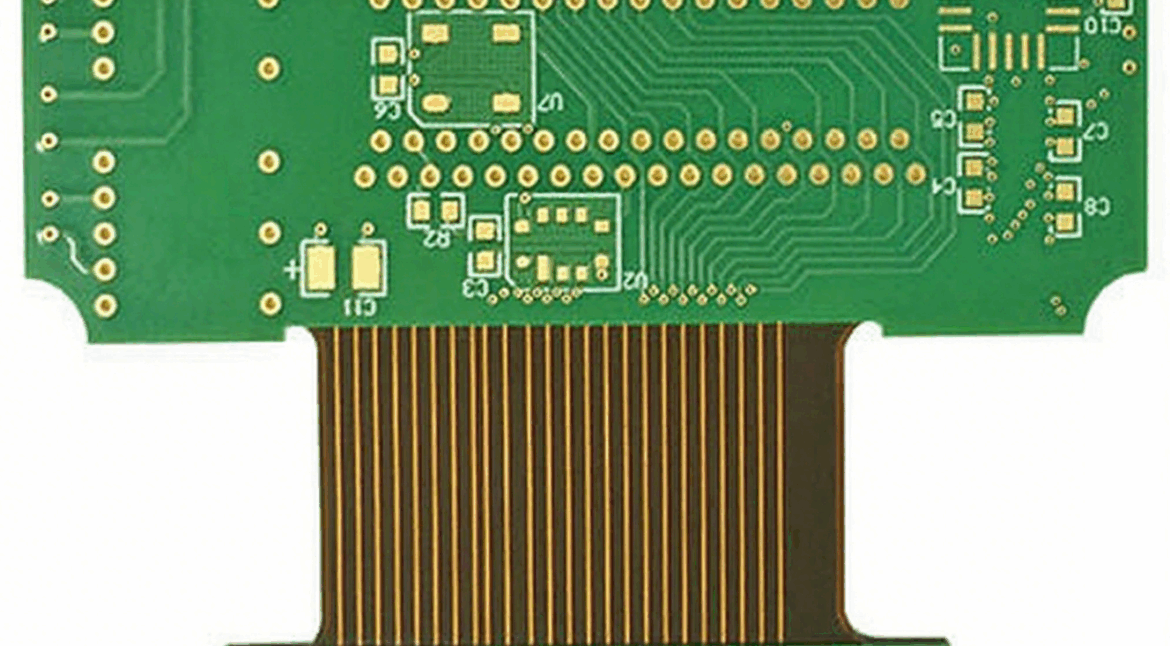
Ultra-Thin Flexible PCB: Stackup, Handling and Bending An ultra-thin flexible PCB is a different material to handle, not simply a thinner version of a normal one. Below about a tenth of a millimetre the board stops behaving like a sheet of plastic and starts behaving like a film: it curls,…
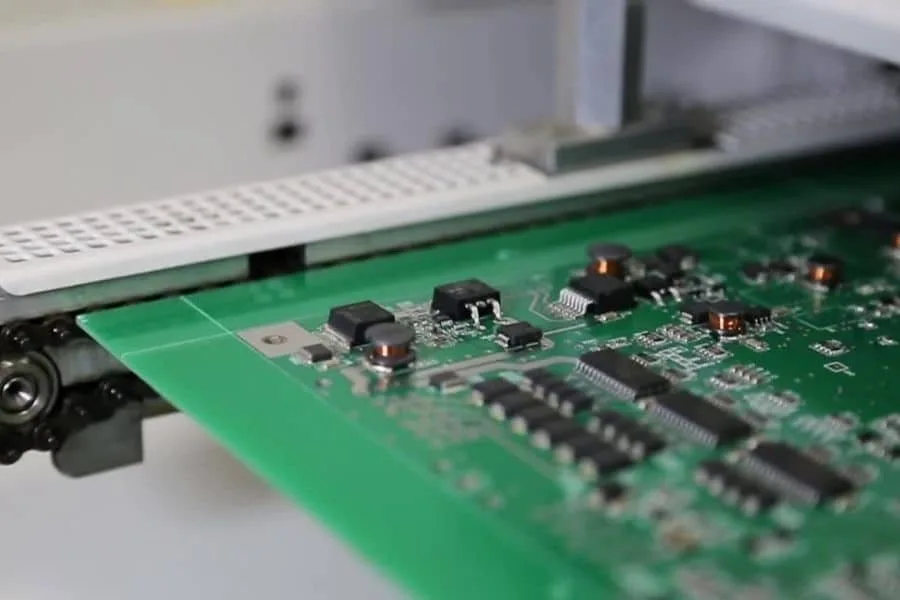
Common Problems in PCB Production and How to Solve Them A board shop that is losing yield rarely has one problem. It has a symptom, a set of plausible explanations and a production schedule that makes it tempting to correct the most visible symptom rather than investigate the cause. The…
Audio PCB Design: Noise, Grounding and Power Supply Audio circuits are judged by what cannot be heard. A preamplifier with a signal to noise ratio twenty decibels worse than expected may still measure correctly on a bench meter, because the problem is a ground current or a coupling path rather…