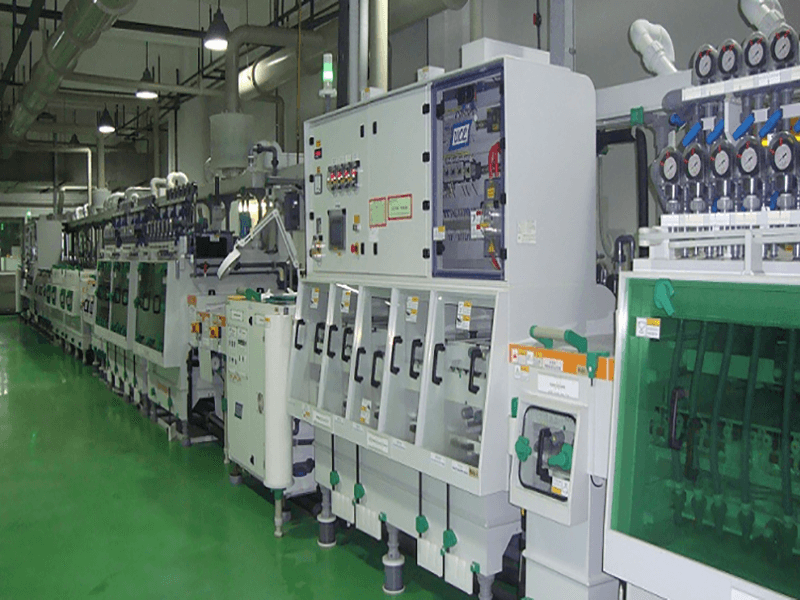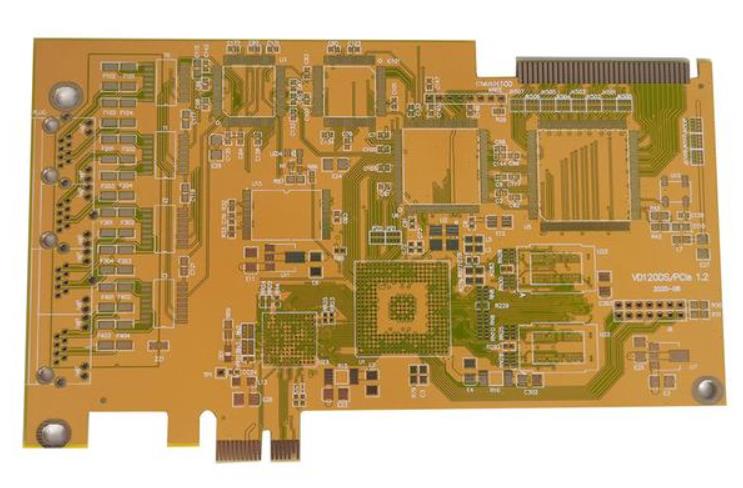
PCB Etching: Chemistry, Etch Factor and Width Tolerance Etching is the step that turns a copper-clad panel into a circuit. A resist pattern is printed or laminated onto the copper, the panel passes through a chemical bath that dissolves the metal not protected by the resist, and what remains is…
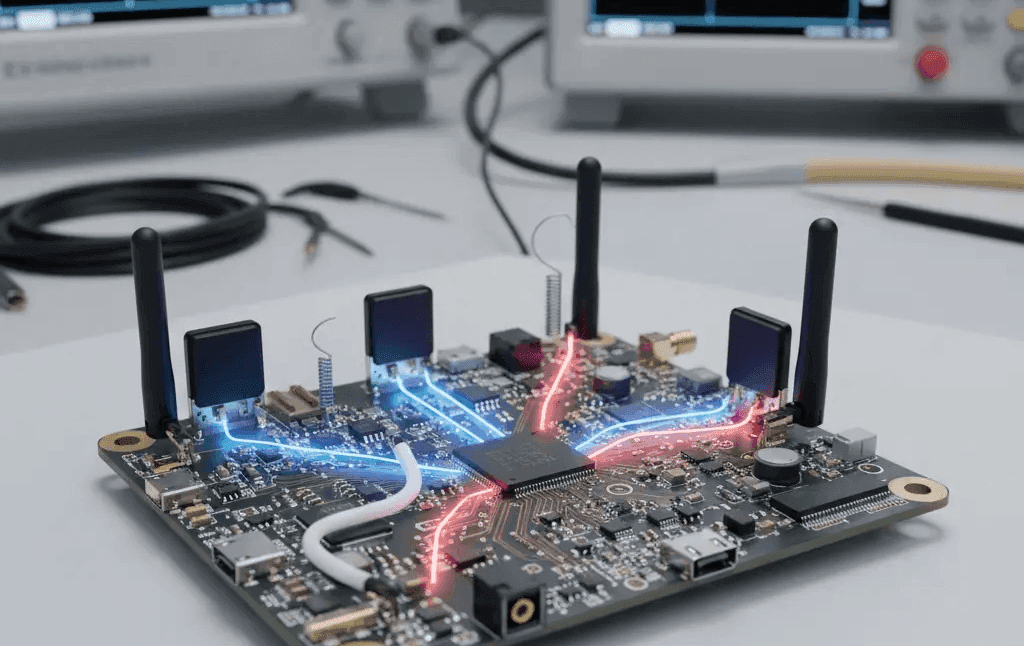
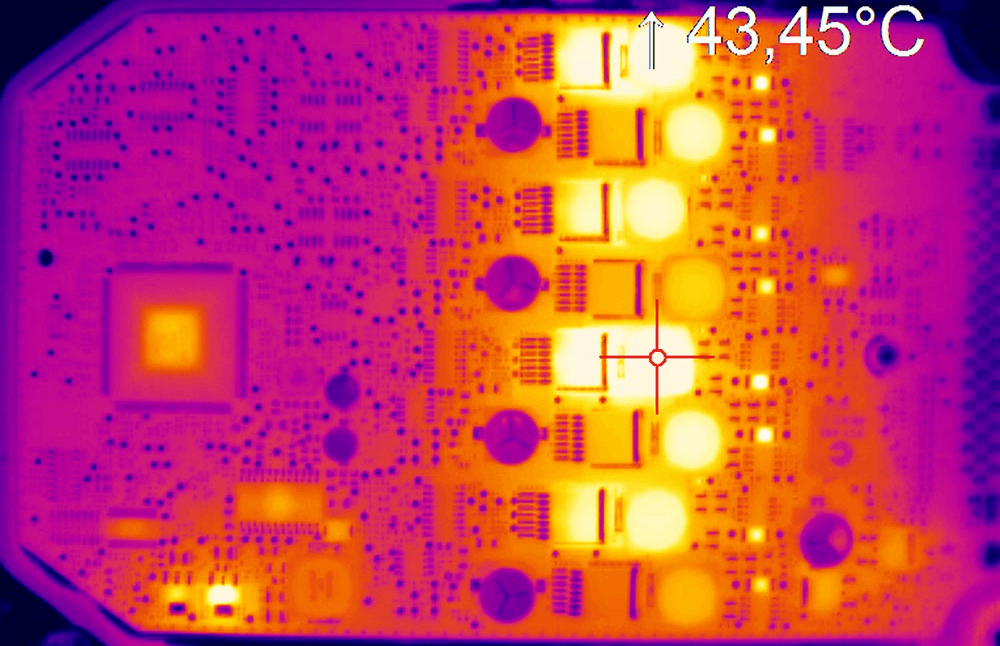
Switching Power Supply PCB: Design Guide and Best Practices Switch mode conversion has displaced linear regulation in almost every application above a few watts, because the efficiency gain translates directly into smaller heatsinks, smaller enclosures and longer run time from a battery. The price of that efficiency is a far…
Blind Via PCB in Automotive Electronics: Design and Cost Automotive electronics keeps getting more capable in a smaller volume, and the board has to keep up. Blind via PCB construction is one of the techniques that makes that possible: it allows a signal to move between layers without occupying the…
Custom Mechanical Keyboard PCB: Design and Assembly A custom mechanical keyboard PCB is what separates a kit from a product. It connects the switches, the microcontroller, and the lighting, and it decides which layouts are possible, whether switches can be changed without a soldering iron, and how deeply the keyboard…
Flexible PCB Coverlay: Materials, Openings and Defects A coverlay is the flexible circuit equivalent of solder mask, but it does much more than a mask. It is a laminated layer of polyimide with an adhesive that is pressed over the finished conductors, protecting them from contamination and mechanical damage, defining…
PCB Prototype Pricing: What Drives the Cost of a Sample Order A prototype order is small, and that is the whole problem. Fabrication is organised around panels, chemical lines and machines that cost the same to start whether one board or a thousand comes out of them, so a sample…
PCBA Conformal Coating: Types, Methods and Standards Coating an assembled board is the step that turns a working circuit into a product that survives its environment. It is applied after soldering, so it protects components and joints rather than bare laminate, and the choice of material determines not only how…
PCB Copper Weight: 1 oz, 2 oz and 3 oz Compared PCB copper weight is one of the few board specifications that affects electrical performance, thermal behaviour, mechanical durability and price at the same time. It is also frequently specified by habit rather than by calculation, which is why some…
High Frequency PCB Laminate: Dk, Df and How to Choose Once a serial link runs above a few gigabits per second, the laminate stops being an inert substrate and starts being part of the channel. Two boards with identical routing and identical drivers can deliver different eye heights purely because…
Insulated Metal Substrate PCB: Structure and Applications Heat is what limits a power electronic design, and the insulated metal substrate PCB is one of the most direct answers to it. Instead of relying on copper area and airflow to move heat away from a component, an IMS board carries that…