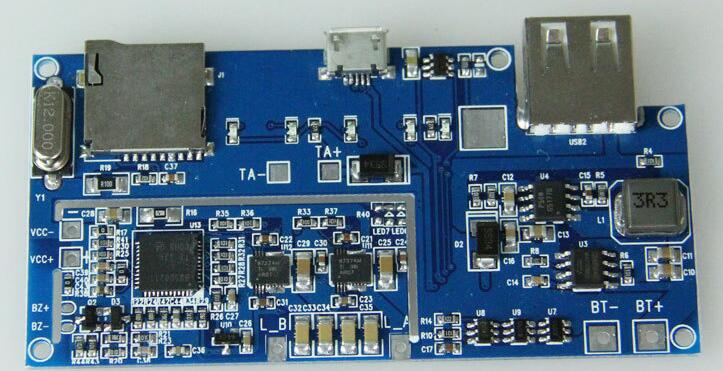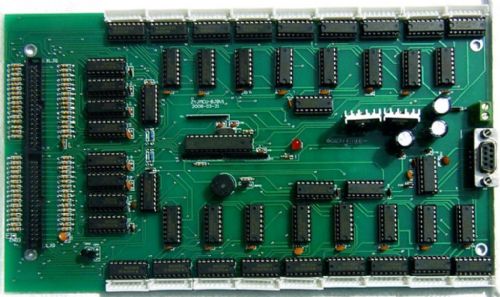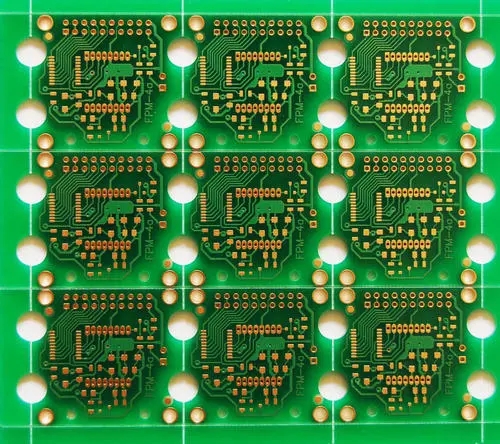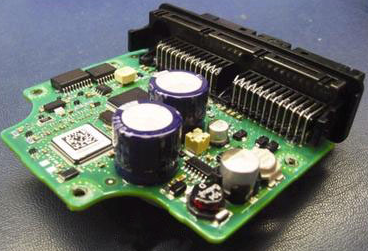
If you want to understand PCBA Processing Cost, it is important to break down the entire PCB Assembly process and identify the major cost drivers involved in production. PCBA, or Printed Circuit Board Assembly, refers to a completed PCB populated with electronic components. The overall process generally includes the bare…
When selecting a PCB assembly supplier, many customers compare quotations from different manufacturers before placing an order. However, the lowest quotation does not always represent the lowest overall manufacturing cost. Understanding PCBA Processing Cost requires looking at the complete production process rather than comparing only the final quotation. A typical…
As electronic products become smaller and more highly integrated, the spacing between components, solder joints, PCB surfaces, and surrounding structures continues to decrease. This trend places increasingly strict requirements on manufacturing quality and PCB Reliability. One common appearance-related and process-related issue in electronic assembly is PCBA White Residue, sometimes referred…
As electronic products continue to become smaller and more integrated, PCB Assembly density is increasing significantly. At the same time, the clearance between components, the PCB surface, and surrounding structures is becoming smaller. These trends place higher demands on PCB Surface Quality, manufacturing consistency, and overall product reliability. In high-density…
As electronic products continue to become smaller, lighter, and more integrated, manufacturers require highly efficient and reliable PCB Assembly technologies. Two of the most widely used technologies are Surface Mount Technology (SMT) and Through-Hole Assembly, commonly known as DIP Assembly. Although SMT Assembly has become the dominant technology for modern…
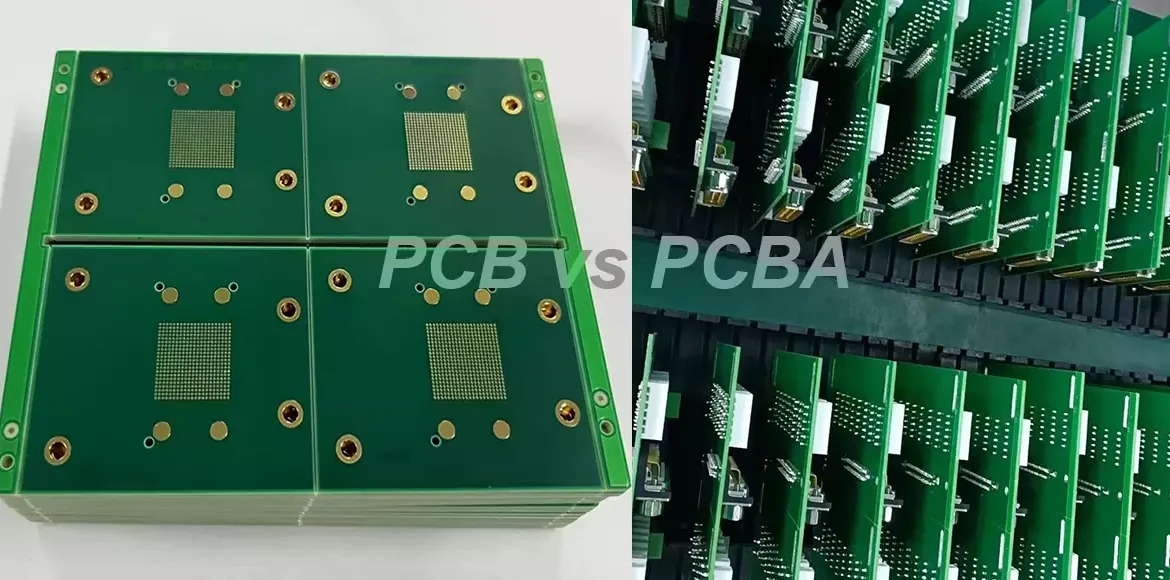
In electronics manufacturing, PCB vs PCBA is a common topic because both are essential to the development and production of electronic products. A PCB (Printed Circuit Board) provides the physical and electrical foundation of an electronic system. A PCBA (Printed Circuit Board Assembly) is a completed assembly in which electronic…
PCB pads are fundamental features of a printed circuit board and provide the electrical and mechanical connection points between the PCB and electronic components. Whether a board uses surface-mount devices (SMDs), through-hole components, connectors, or manually soldered parts, proper PCB Pad Design is essential for reliable assembly and long-term product…
There is a common saying: “Without rules, there can be no standards.” This principle is especially important in electronics manufacturing. PCB Manufacturing involves multiple interconnected processes, specialized equipment, trained operators, and strict quality requirements. Establishing clear operating procedures and consistently enforcing them is essential for maintaining production efficiency and product…
The rapid development of 5G Technology is creating new opportunities for the global electronics industry. With higher data rates, lower latency, greater connection density, and improved network capacity, 5G is accelerating the development of communication infrastructure and a wide range of connected devices. This transformation is also creating new demand…
Although some high-power RF PCB applications operate independently of base stations, many of the highest-power PCB applications are associated with the power amplifiers used in wireless communication infrastructure. Designing these circuits requires careful consideration of electrical performance, thermal behavior, material properties, and long-term reliability. This article focuses on the fundamental…