SMT Component Polarity: How to Identify Polarized Parts for PCB Assembly Why Component Polarity Matters in SMT Assembly Surface mount technology places hundreds of small components on a printed circuit board in seconds, but a component is not installed correctly just because it lands in the right position; it must…
Chip Resistor Precautions: Six Handling Rules for PCB Assembly Chip resistors are among the most widely used components in printed circuit board assembly, and among the easiest to take for granted. A surface mount resistor is a small ceramic body with two terminations and a thin resistive film, and on…
PCBA Board Debugging Steps: A Practical Bring-Up Guide Why PCBA Debugging Needs a Structured Routine Bringing a newly designed PCBA sample to life is rarely as simple as loading the files, soldering the parts, and pressing the power button. When the board is large and carries hundreds of electronic components,…
Preventing PCBA Manufacturing Data Errors: A Practical Guide Why Data Accuracy Comes First on the PCBA Line PCBA manufacturing runs on automated placement lines that can finish an order in hours once production starts, but the speed that makes these lines productive is exactly what makes incorrect data dangerous. Every…
PCBA Heat Dissipation: Thermal Management Strategies for PCB Manufacturing Why PCBA Heat Dissipation Deserves a Place in PCB Manufacturing Every electronic component consumes power while a board is in operation, and almost all of that power eventually turns into heat. On a densely populated assembly the heat accumulates quickly, the…
Double Sided Reflow Soldering for PCBA: Methods and Process Flow To fit more circuitry into less space, modern products mount components on both faces of the printed circuit board. A board populated on two sides uses its area twice and allows a smaller final product, so double sided PCBA has…
PCBA Wave Soldering Quality: Two Key Points for Reliable Through-Hole Joints Why Wave Soldering Quality Begins at Design Wave soldering is still the workhorse of through-hole and mixed-technology board production. Boards travel across a fountain of molten solder and hundreds of joints are formed in seconds, so the process looks…
PCBA Short Circuit Inspection: How to Find and Fix Faults Why Short Circuits Happen on a PCBA Board Short circuits are among the most common defects found on assembled printed circuit boards, and they can stop a product from working at the moment of first power-up. On a PCBA board,…
PCB Manufacturing Industry Outlook: Trends and Growth Drivers Why the PCB Manufacturing Industry Is Entering a New Growth Phase The PCB manufacturing industry has always worked quietly behind the products we rely on, but today it sits at the center of the electronics economy. Every connected device, from a smartphone…
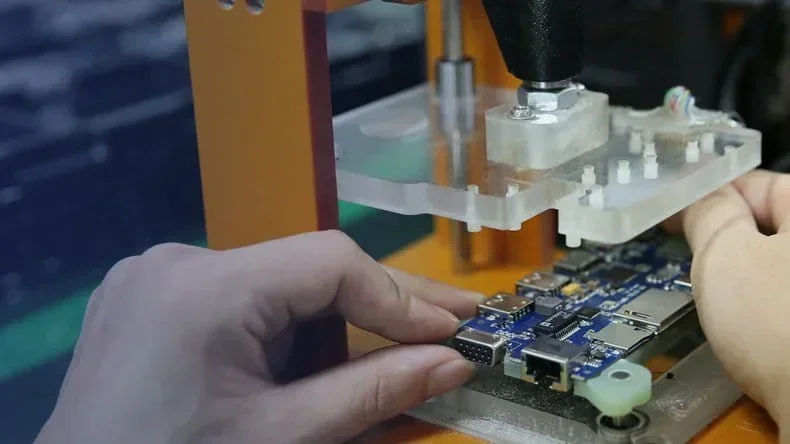
PCBA Testing Structure: ICT, FCT, Aging and Reliability Tests What Makes Up the Structure of PCBA Testing A PCBA board must be verified before it is put into use, and it can only be used after it has passed the tests arranged for it; boards that fail cannot be shipped.…