How to Design a High-Speed PCB Stack-Up In high-speed electronic systems, PCB Stack-Up design is fundamental to signal integrity, power integrity, and electromagnetic compatibility. The arrangement of signal layers, ground planes, power planes, and dielectric materials directly affects signal return paths, impedance, crosstalk, EMI, and overall system stability. Unlike…
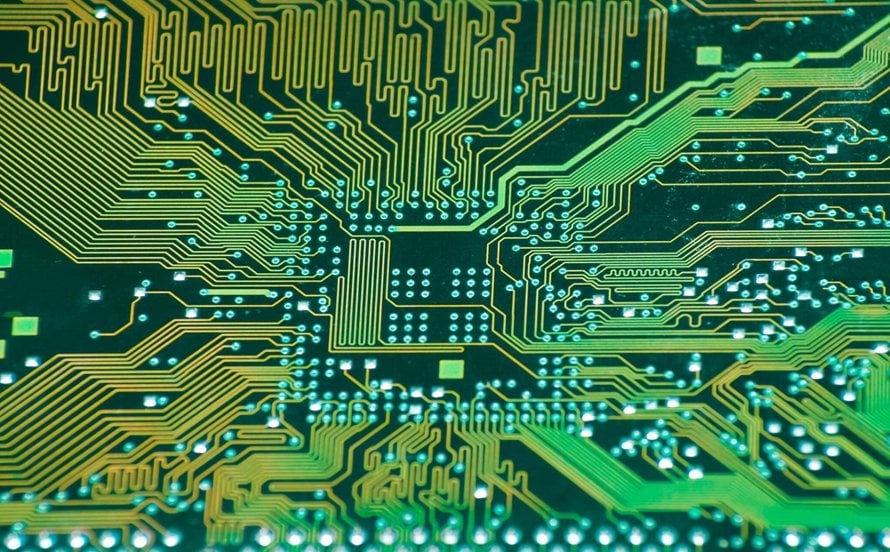
Multilayer PCB Material Selection Guide A Multilayer PCB is a critical platform for advanced electronic systems, and material selection directly affects electrical stability, thermal performance, structural reliability, and service life. Compared with single- and double-sided boards, multilayer structures must maintain compatibility between multiple dielectric layers, copper layers, and bonding…
Microwave PCB Substrate Materials: The Complete Engineer’s Guide to High-Frequency Laminates Microwave PCB substrate materials fall into four major categories: hydrocarbon-ceramic laminates (Rogers RO4000 series), ceramic-filled PTFE composites (Rogers RO3000 series, Taconic TLY), pure PTFE/glass laminates (Rogers RT/duroid 5880, Taconic TLY-5), and thermoset high-speed laminates (Isola Astra MT77, Panasonic Megtron…
RF PCB Material Types: The Complete Engineer’s Guide to High-Frequency Laminates RF PCB material types fall into four major families: hydrocarbon-ceramic (Rogers RO4000 series), ceramic-filled PTFE (Rogers RO3000 series, Taconic TLY), pure PTFE (RT/duroid), and thermoset high-speed laminates (Isola Astra MT77, Panasonic Megtron). The right choice depends on your operating…
Low Loss PCB Laminate Material: Complete 2026 Engineering Guide Low loss PCB laminate material is engineered to minimize dielectric loss and signal attenuation at high frequencies — typically with a dissipation factor (Df) below 0.010 at 10 GHz. For 5G mmWave, AI servers running 112G PAM4, and radar systems, ultra-low-loss…
High Tg FR4 PCB Material: Complete Technical Specifications and Selection Guide (2026) High Tg FR4 PCB material is an enhanced glass-reinforced epoxy laminate with a glass transition temperature of 170–180°C, specifically engineered to withstand lead-free assembly processes and high-temperature operating environments. Standard FR4 (Tg 130–140°C) softens during 260°C lead-free reflow,…
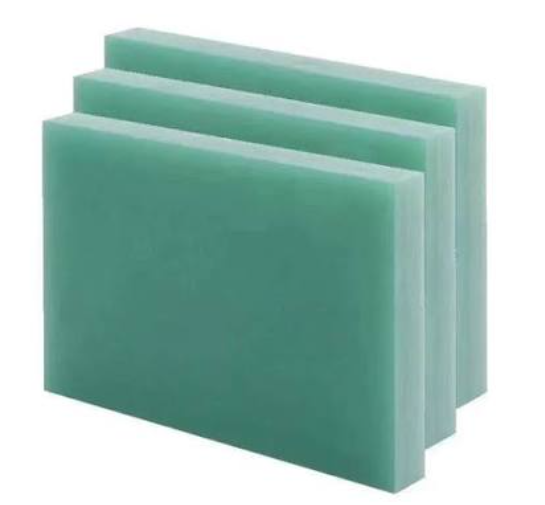
FR4 Fiberglass PCB Material: Complete Technical Specifications and Selection Guide (2026) FR4 fiberglass PCB material is a glass-reinforced epoxy laminate that serves as the industry-standard base material for rigid printed circuit boards. It offers an optimal balance of electrical insulation, mechanical strength, thermal stability, and cost-effectiveness for the majority of…
Aluminum vs FR4 PCB Material: Thermal Conductivity, Cost, and Selection Guide Aluminum PCBs deliver thermal conductivity 4–10× higher than FR4 through a metal core that acts as a built-in heatsink, while FR4 remains the industry-standard electrical insulator for multi-layer digital designs. FR4 offers superior electrical insulation, lower cost, and supports…
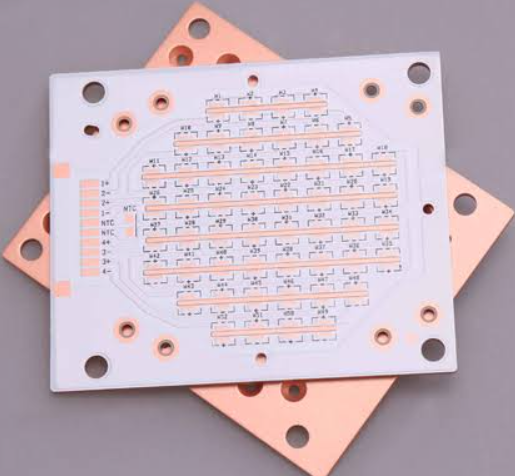
Aluminum PCB Dielectric Material: Complete Guide to Properties, Selection & Thermal Performance An aluminum PCB dielectric material is the thermally conductive but electrically insulating layer sandwiched between the copper circuit and the aluminum base plate. It enables heat dissipation from power components while preventing electrical shorts. For high-power LED arrays…
PCB Materials and Specifications: The Complete Engineer’s Guide for 2026 Selecting the right PCB materials and specifications is the single most consequential decision in board design — it determines signal integrity, thermal performance, manufacturing yield, and field reliability. This guide covers every major substrate family, IPC specification framework, key electrical…