Best Material for PCB Manufacturing: FR4, Rogers, PTFE, and High-Tg Laminate Comparison

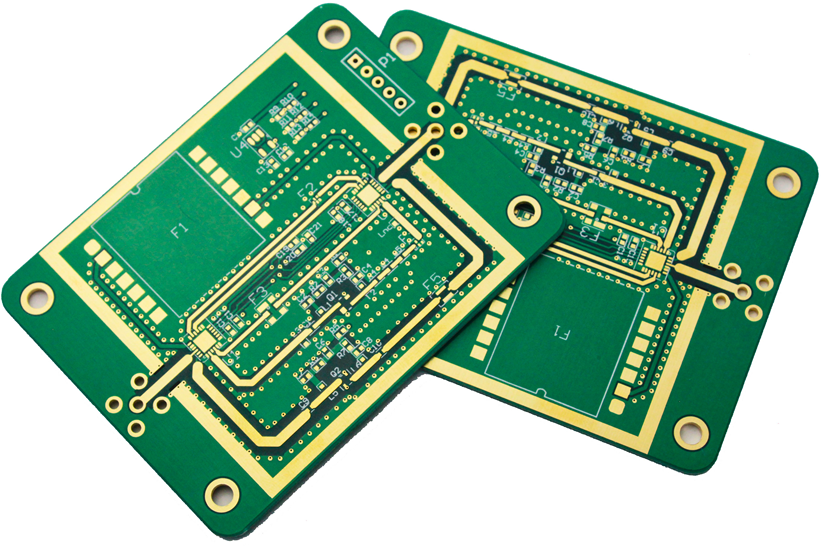
Best Material for PCB Manufacturing: FR4, Rogers, PTFE, and High-Tg Laminate Comparison The best material for PCB manufacturing depends on your operating frequency, thermal environment, mechanical requirements, and cost constraints. For most general-purpose applications below 1–2 GHz, standard FR4 is the most cost-effective choice. For high-frequency designs above 3 GHz,…
Flexible Printed Circuit (FPC)

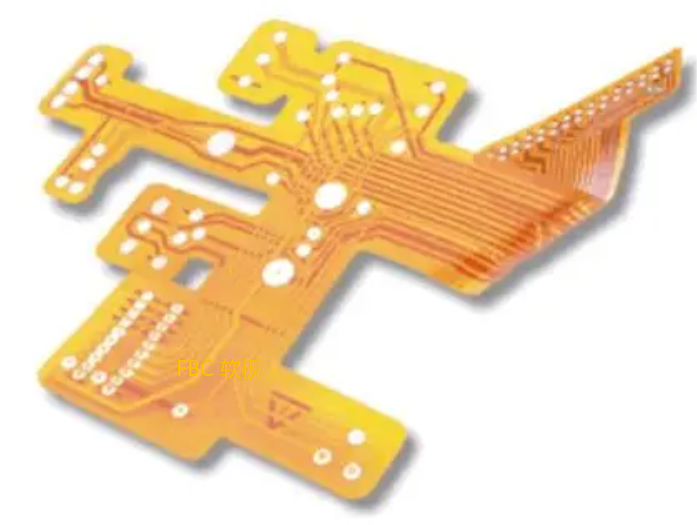
Polyimide Flexible PCB Material: Properties, Applications, and Selection Guide

style=”font-size: 43px;”>Polyimide Flexible PCB Material: Properties, Applications, and Selection Guide Polyimide flexible PCB material is the industry-standard substrate for flexible printed circuits, offering an unmatched combination of thermal endurance, mechanical flexibility, and chemical resistance that no other organic substrate can match. With a continuous operating range from -269°C to +400°C…

2oz–8oz Heavy Copper PCB Manufacturer for High-Current Power Boards

  2oz–8oz Heavy Copper PCB for High-Current Power Applications Industrial power equipment, renewable energy systems, and advanced power electronics require reliable circuit boards capable of handling high current and continuous electrical loads. Heavy Copper PCB technology provides increased current-carrying capacity, improved heat dissipation, and enhanced mechanical strength, making it suitable…

AI Server PCB High-Layer-Count High-Speed Backplane PCB Manufacturer

  AI Server High-Layer-Count High-Speed Backplane PCB Manufacturing As AI computing clusters continue to expand, server interconnect architectures are undergoing major changes. High-layer-count, high-speed backplane PCBs have become critical physical platforms for rack-level interconnection. They directly influence data transmission efficiency, signal integrity, system stability, and overall computing performance. For modern…

High-Frequency PCB Manufacturing Key Process Requirements

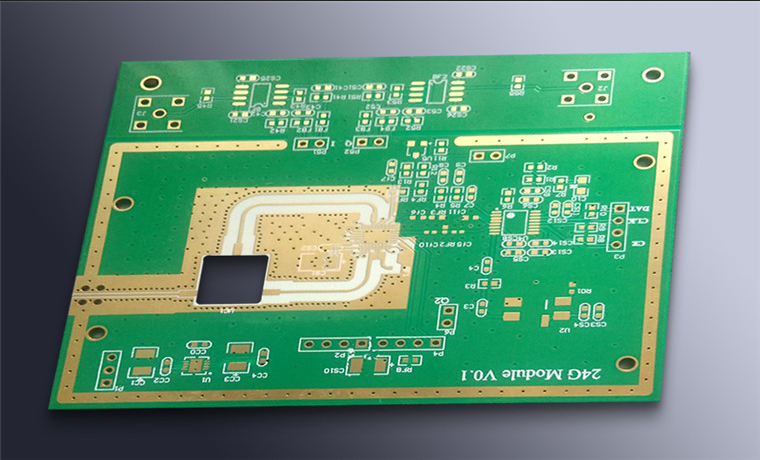
  High-Frequency Impedance PCB Manufacturing: Key Process Requirements High-frequency impedance PCBs require specialized materials and tightly controlled manufacturing processes to maintain stable signal transmission. Compared with conventional PCBs, these boards demand much stricter control throughout material preparation, lamination, drilling, circuit formation, surface finishing, and final inspection. The same discipline applies…

ADAS PCB Manufacturing: Standards, Materials, and Process Guide

ADAS PCB Manufacturing: Complete Guide to Standards, Materials, and Production for Automotive Electronics ADAS PCB manufacturing requires specialized substrates, precision HDI fabrication, and compliance with automotive-grade reliability standards to support 77 GHz radar, camera modules, and sensor fusion domain controllers. The global automotive PCB market is projected to reach $11.4…

EV Battery PCB: Complete Guide to Materials, Design, and Manufacturing for Electric Vehicle Battery Management Systems

EV Battery PCB: The Complete Guide to Materials, Design, and Manufacturing for Electric Vehicle Battery Management Systems An EV battery PCB must safely manage 400–800V of pack voltage while maintaining ±2mV cell measurement accuracy over a 15-year automotive lifespan. This guide provides a comprehensive comparison of substrate materials, high-voltage isolation…

RF PCB Substrate Material: Complete Guide to High-Frequency Laminate Selection

RF PCB Substrate Material: The Complete Guide to High-Frequency Laminate Selection for 5G and mmWave Designs Selecting the right RF PCB substrate material is the single most consequential decision in high-frequency circuit design—it directly determines signal integrity, insertion loss, impedance accuracy, and overall system performance. For applications above 1 GHz,…