PCB Design and Manufacturing: Key Technical Considerations

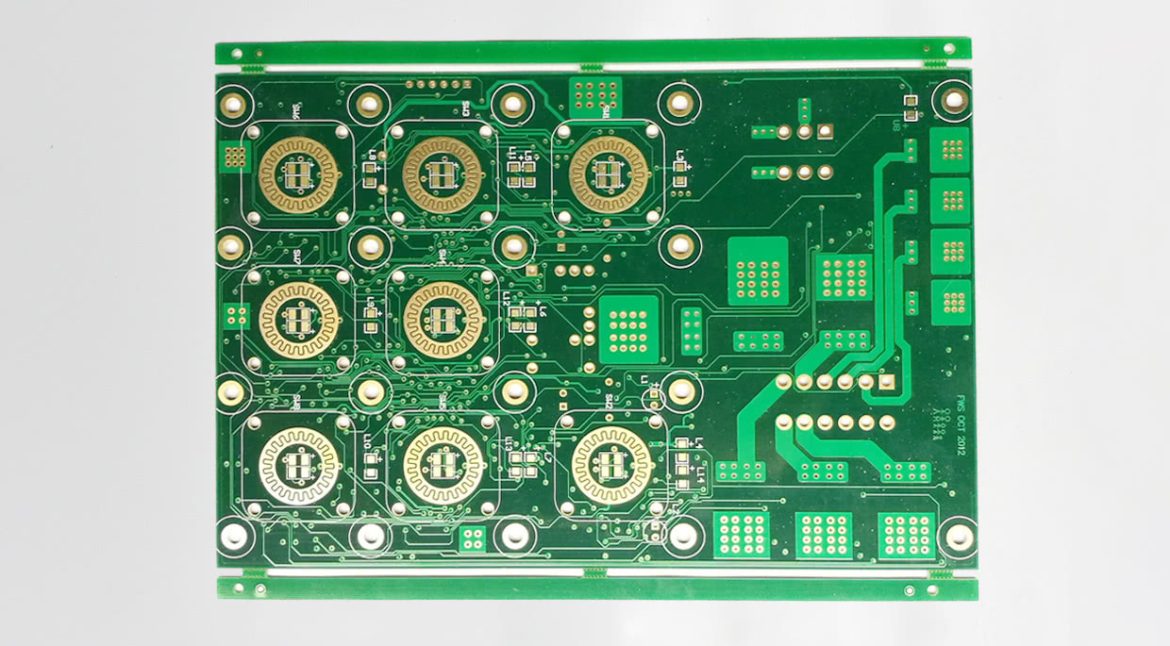
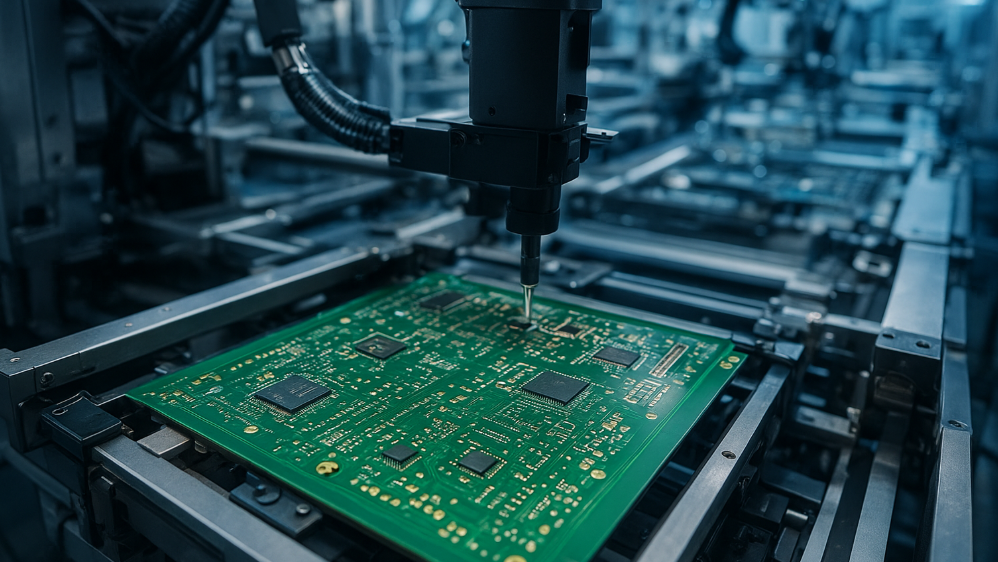
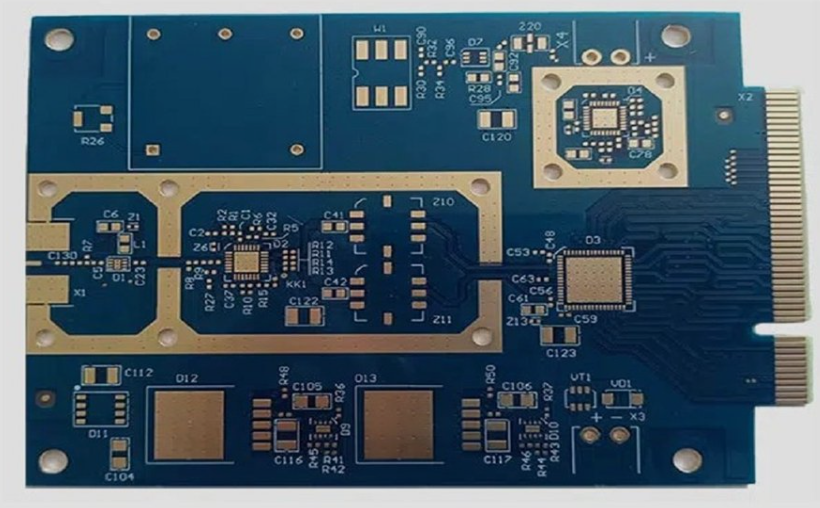
  PCB Design and Manufacturing: Key Technical Considerations Printed circuit boards (PCBs) are fundamental components of modern electronic products. The quality of PCB Design and PCB Manufacturing directly affects the electrical performance, stability, reliability, and service life of the final product. From circuit architecture and component placement to material selection,…
Electric Vehicle PCB Manufacturing: Standards, Materials & Process

Electric Vehicle PCB Manufacturing: Complete Guide to Standards, Materials, and Process Electric vehicle PCB manufacturing demands circuit boards that withstand extreme thermal cycling, high voltage, and vibration while maintaining reliability for 15+ years. The global PCB for electric vehicles market is expected to reach USD 24.7 billion by 2033, growing…
Make-up water quality check at a plating tank

Automotive PCB Manufacturing: Process, Standards & Materials

Automotive PCB Manufacturing: Process, Standards and Materials Automotive PCB manufacturing is a specialized fabrication process governed by IPC-6012F Class 3/A requirements, IATF 16949 quality management, and AEC-Q component qualification standards. The process transforms copper-clad laminates into high-reliability circuit boards capable of withstanding -40°C to +150°C temperature extremes, high vibration, humidity,…

Automotive PCB: Types, Design, Manufacturing & Applications

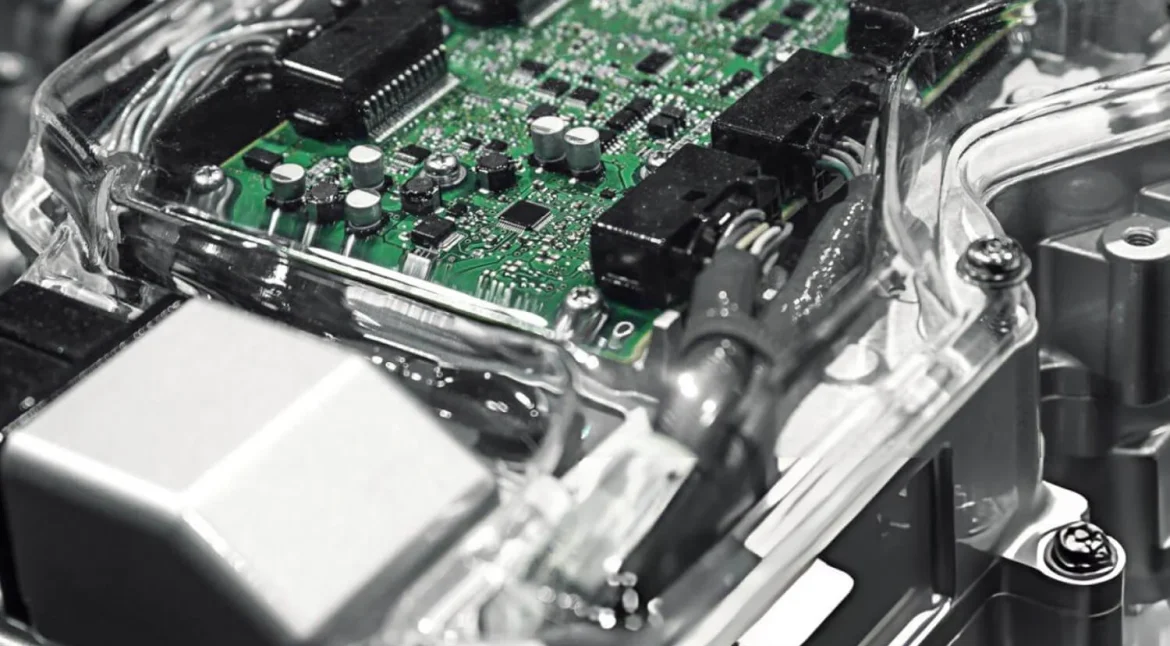
Automotive PCB: Design, Types, Manufacturing, Applications, and Future Trends Modern vehicles are no longer simply mechanical machines. They have evolved into sophisticated computers on wheels, integrating hundreds of electronic control units (ECUs), sensors, communication systems, power electronics, and intelligent safety technologies. At the heart of this transformation is the automotive…

Multilayer PCB Manufacturing Process: Complete Step-by-Step Guide

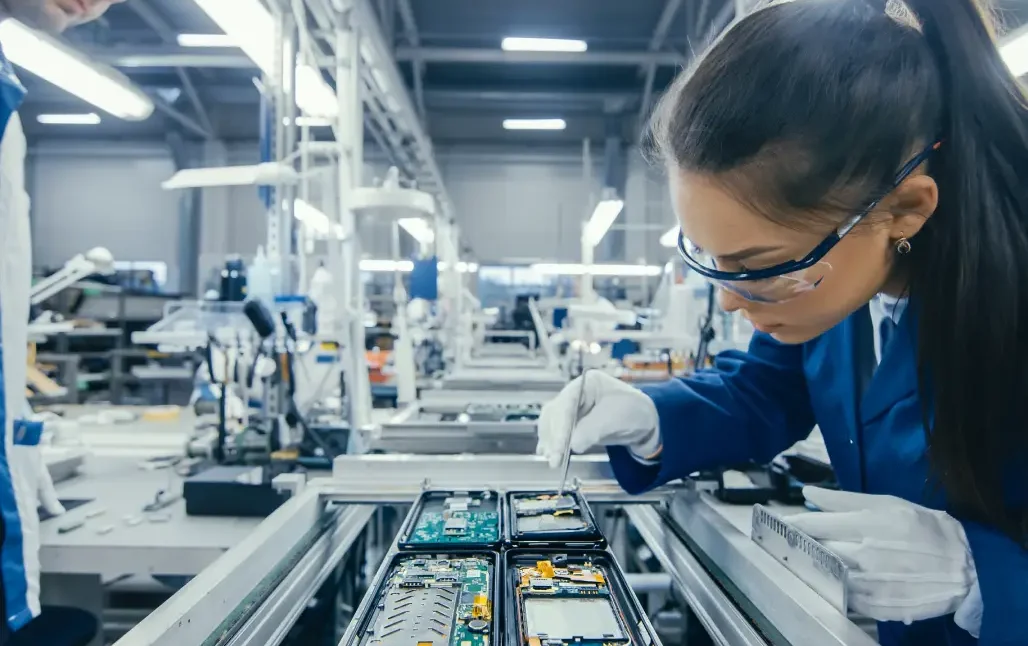
Multilayer PCB Manufacturing Process: Complete Step-by-Step Guide Multilayer PCB manufacturing is a sequential fabrication process that transforms copper-clad laminates into complex circuit boards with three or more conductive layers. The process begins with design data preparation (CAM) and inner layer imaging, followed by layer stack-up and lamination under heat and…
PCB manufacturing

PCB Manufacturing Technology: Process Categories and Key Design Parameters

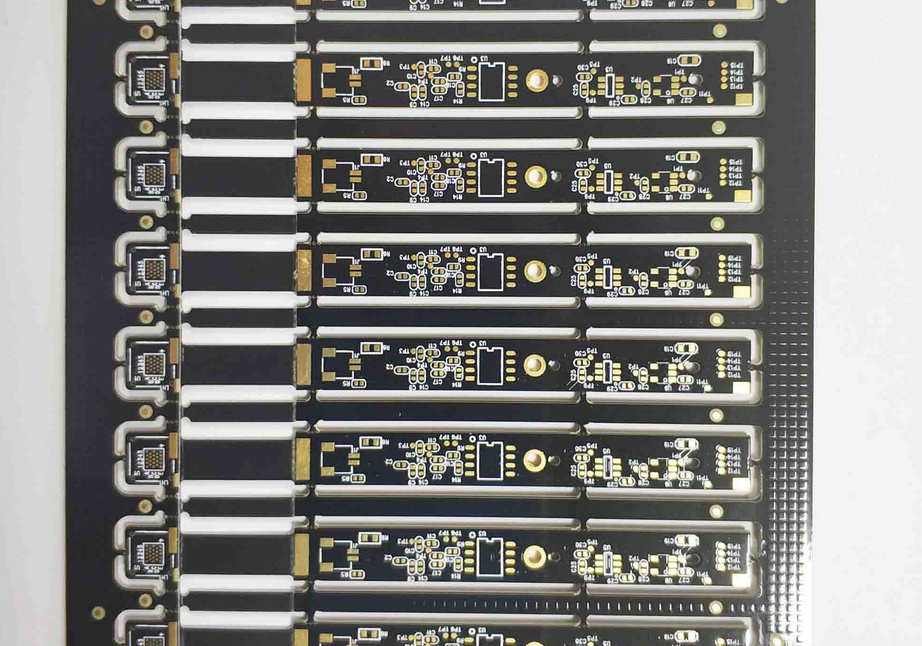
Before discussing PCB manufacturing capabilities, it is important to understand how manufacturing processes are classified and how these classifications relate to PCB design requirements. In PCB design, process capability does not simply refer to a category of manufacturing data. It also reflects the actual production capabilities of the PCB manufacturer,…
PCB Wastewater Treatment

PCB Manufacturing Wastewater Treatment: Classification and Treatment Methods

The wastewater generated during PCB Manufacturing varies significantly in terms of pollutant concentration and chemical composition. Low-concentration process wastewater and high-concentration spent chemical liquids require different collection and treatment methods. Therefore, an effective PCB Wastewater Treatment system should first classify wastewater according to its source and characteristics. Different wastewater streams…
R-FPCB

Flexible Printed Circuit (FPC): Advantages, Applications, and Future Development

A Flexible Printed Circuit (FPC) is a lightweight and highly flexible circuit board commonly manufactured using polyimide or polyester film as the base material. It provides excellent flexibility, reliability, and space-saving characteristics, making it particularly suitable for modern electronic products that require compact and highly integrated circuit structures. As the…