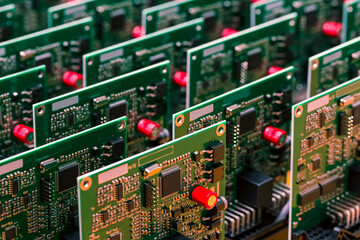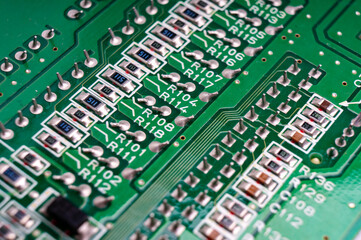
FPCTear Prevention Line: Design Requirements & Best Practices

  FPC Tear Prevention Line: Purpose, Design Requirements, and Best Practices Flexible printed circuits are widely used in compact and lightweight electronic products because they can bend, fold, and fit into irregular mechanical spaces. However, their thin and flexible structure also creates unique challenges during manufacturing and depanelization. Unlike rigid…
FPC to PCB connection 7 Common Methods Explained

FPC-to-PCB Connections: 7 Common Methods Explained How Does FPC Connect to PCB? As electronic products become smaller, thinner, and more integrated, FPC to PCB connection technology has become increasingly important. A Flexible Printed Circuit (FPC) provides lightweight construction, flexibility, and three-dimensional routing, while a rigid PCB provides mechanical support, component…

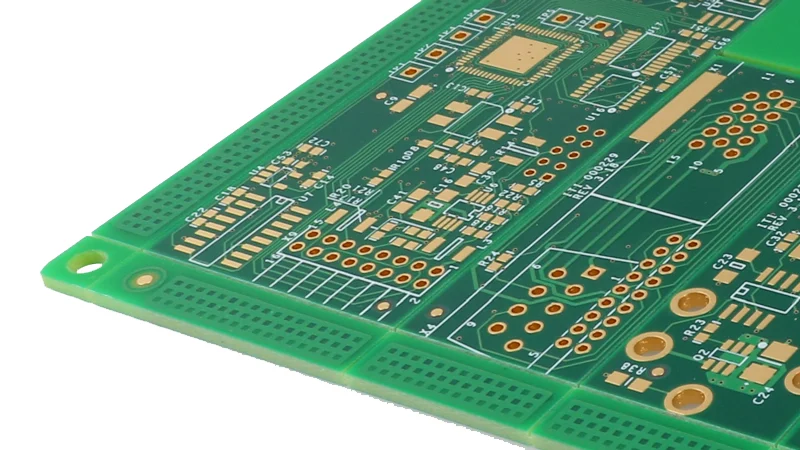
PCB Panelization Guidelines: Process Edges, Tooling Holes & Fiducial Marks

  PCB Panelization: Process Edge, Tooling Hole and Fiducial Mark Design Guidelines When designing a PCB for automated manufacturing, panelization and positioning features must be considered before production. Properly designed PCB panelization improves board stability during manufacturing, supports accurate positioning during SMT assembly, and reduces the risk of damage during…

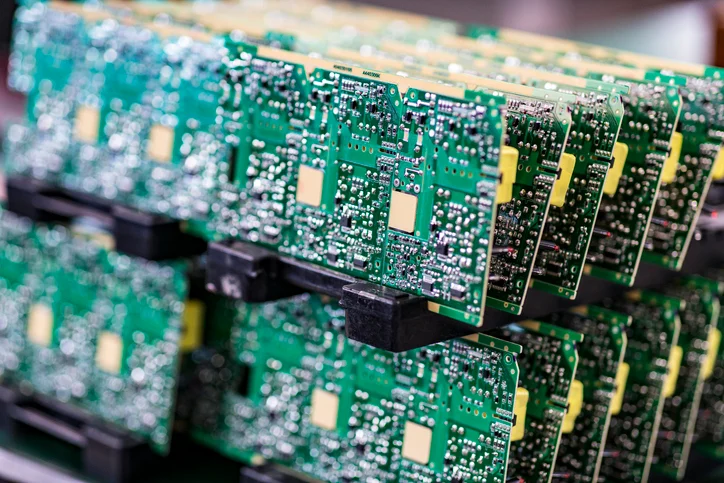
Backplane PCB: Types, Materials, Design & Manufacturing Guide

  Backplane PCB A Backplane PCB is a specialized printed circuit board designed to provide electrical and mechanical connections between multiple electronic modules, daughterboards, cards, connectors, and system components. Instead of performing all computing functions itself, a backplane primarily creates a structured interconnection platform that allows different boards and modules…