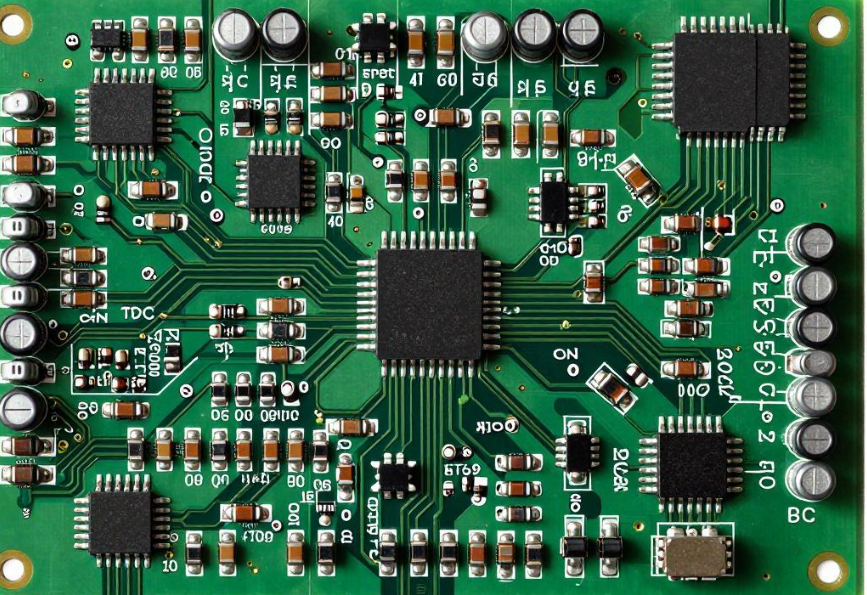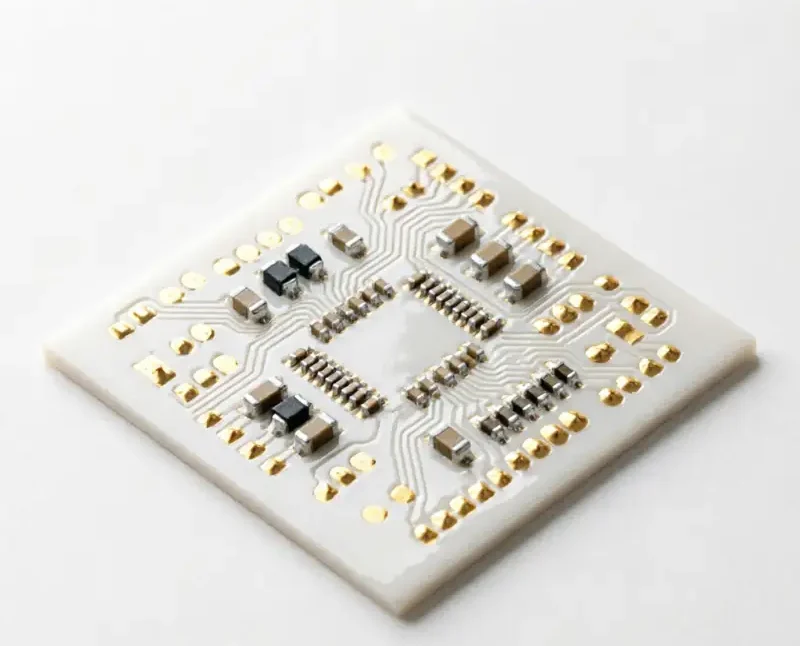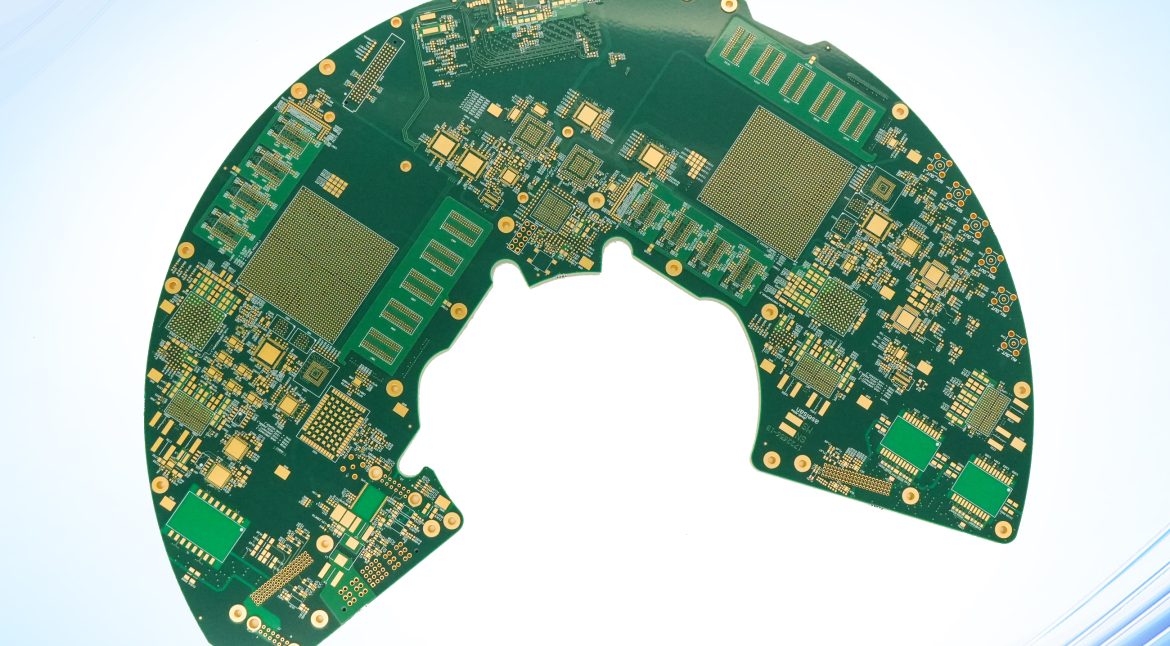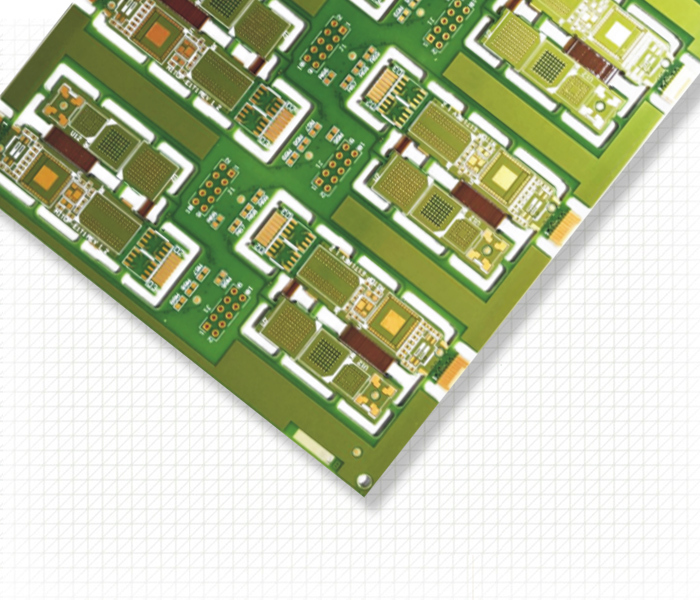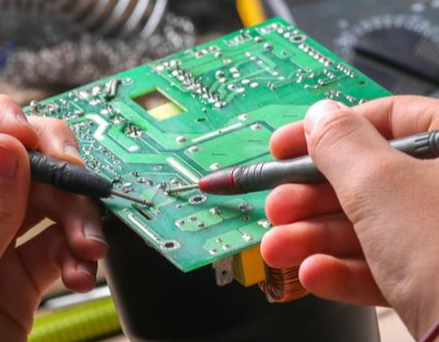
For portable energy storage products, selecting a four-layer PCB involves far more than completing the layout, fabricating prototypes, and confirming basic functionality. Many hardware engineers focus primarily on initial sample testing while overlooking batch consistency, DFM capability, material stability, and long-term reliability. As a result, problems such as board warpage,…
Compared with standard two-layer boards, four-layer, six-layer, and eight-layer multilayer PCB orders typically involve more complex manufacturing processes and may incur higher expedited charges. The premium can come from several factors, including accelerated stackup preparation, impedance control, special fabrication requirements, production scheduling, and additional engineering support. A common mistake in…
For expedited PCB orders, hardware engineers and procurement teams often focus on shortening production lead times and optimizing the manufacturing process. However, quotation verification and contractual risk management are equally important for controlling the total cost. An expedited order can involve additional engineering coordination, production scheduling, capacity allocation, special processing,…
In high-volume PCB procurement, many engineers focus primarily on the final unit price while overlooking the underlying logic of PCB tiered pricing. As a result, increasing the order quantity does not always produce the expected cost reduction, and some procurement teams may encounter unexpected charges or pricing conditions. PCB volume…
Many PCB procurement engineers encounter the same problem when placing high-volume production orders: even when the order quantity reaches a quoted pricing tier, the expected unit-price reduction does not always materialize. In some cases, ordering additional boards can even increase the total purchasing cost without providing meaningful savings. The reason…
Many PCB procurement engineers assume that PCB volume pricing is primarily determined by order quantity: once an order reaches a specific volume, the unit price should automatically decrease. In actual PCB mass production, however, quantity is only one part of the pricing equation. Even when two orders have the same…
For companies purchasing PCB mass production services, checking only the unit price is not enough to determine whether a quotation is truly cost-effective. Different PCB manufacturers may use different pricing structures, fixed-cost allocation methods, quantity tiers, tooling charges, testing fees, and value-added service charges. As a result, two quotations with…
With the rapid development of 5G communications, high-speed servers, artificial intelligence systems, and advanced networking equipment, high-speed multilayer PCB designs are facing increasingly demanding requirements for impedance control and signal integrity. For conventional PCBs, impedance verification may focus primarily on whether the measured value falls within the specified tolerance. High-speed…
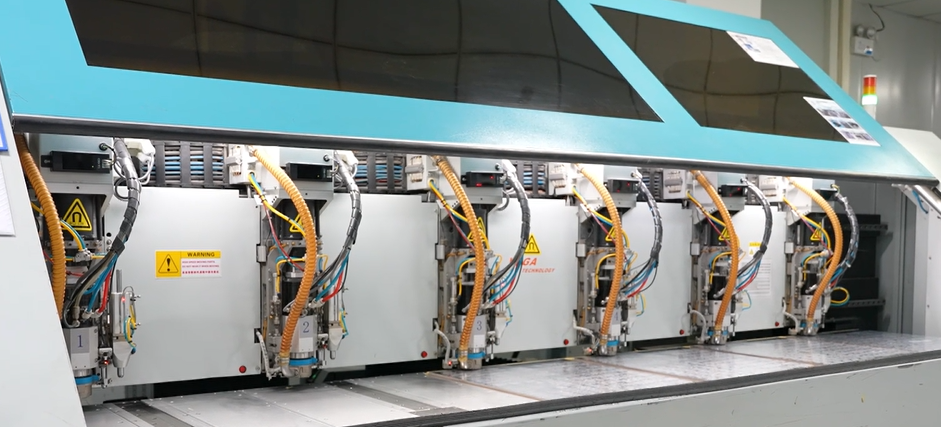
In PCB manufacturing, drilling and via-related processes can represent a significant portion of production costs, particularly for multilayer boards with high via density. A larger number of vias generally means more drilling operations, greater plating requirements, additional inspection workload, and more complex manufacturing. Excessive vias can also affect PCB layout…
In addition to optimizing the PCB design itself, manufacturers can often improve production efficiency by reviewing the PCB manufacturing process for unnecessary or duplicated via-related operations. In mass production, applying the same intensive process and inspection requirements to every via may increase manufacturing time, material consumption, and production costs without…