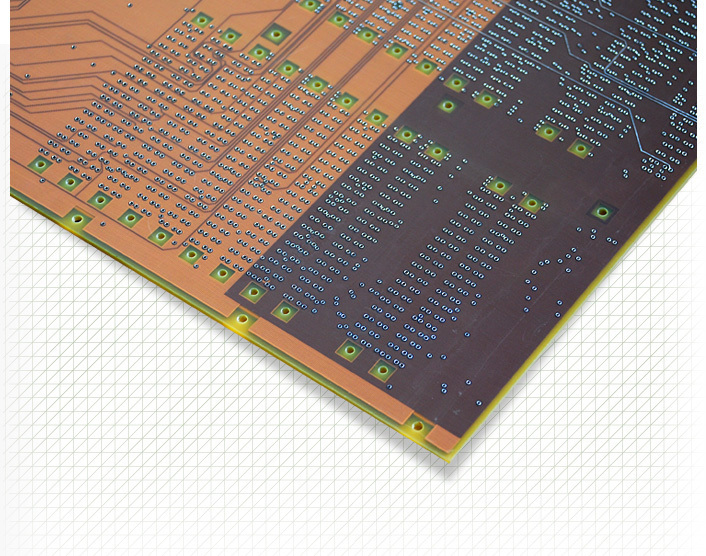
PCB thermal performance

PCB Solder Mask Color Selection: Performance Trade-Offs and Reliability Guide

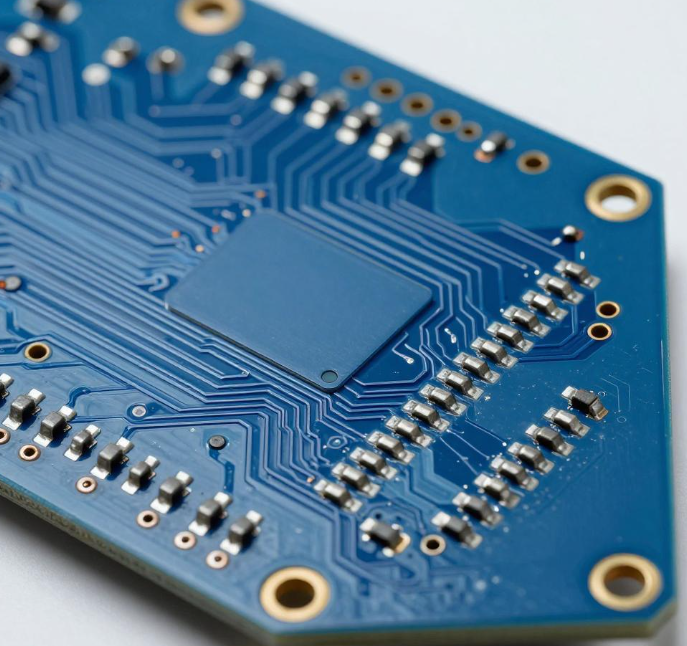
When selecting a PCB solder mask color, many engineers focus primarily on appearance while overlooking the potential impact of color on thermal behavior, weather resistance, optical performance, inspection efficiency, and long-term reliability. Although the color of the solder mask does not fundamentally change the PCB’s electrical parameters, it can affect…
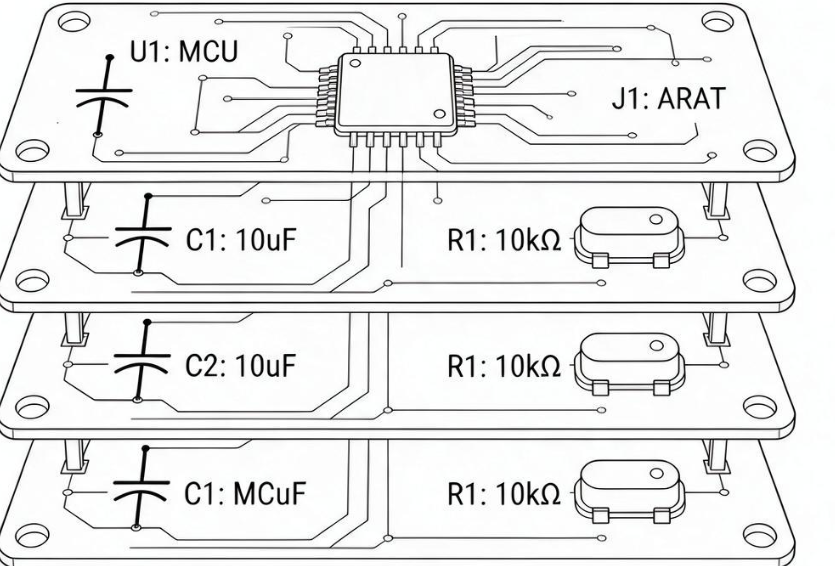
PCB stackup

4-Layer PCB Stackup for Medical Monitoring: Balancing Analog and Digital Noise

Portable life-monitoring equipment such as ECG, SpO₂, temperature, and respiration monitors places demanding requirements on PCB design. Physiological signals can be only millivolt- or microvolt-level at the sensing interface, making them highly susceptible to interference from digital switching, power conversion, wireless communication, and external electromagnetic fields. For these applications, a…
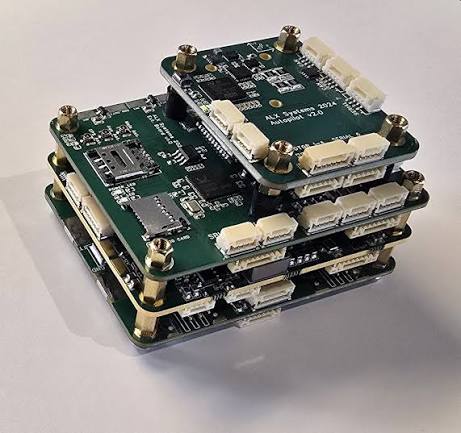
4-layer PCB

4-Layer PCB Layout for Medical Monitoring: Reducing RF Interference

In the development of portable life-monitoring equipment, one of the most common engineering challenges is preventing wireless communication circuits from interfering with low-level physiological signal acquisition. Bluetooth and Wi-Fi modules generate high-frequency RF energy during transmission. If the RF energy couples into sensitive ECG, SpO₂, or other analog acquisition circuits,…
DFM review

Medical PCB DFM Review: Preventing Hidden Defects Before Mass Production

Medical electronics place higher demands on PCB performance than many conventional electronic products. In addition to electrical functionality, a Medical PCB must consider reliability, manufacturability, traceability, cleanliness, and long-term stability. These requirements become particularly important in patient monitoring and life-monitoring equipment, where unstable electrical performance can affect the accuracy of…
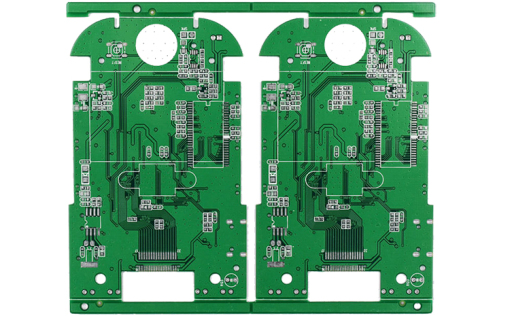
medical PCB

4-Layer PCB Reliability Testing for Medical Monitoring Devices

Medical monitoring equipment places demanding requirements on PCB reliability, especially when the electronic system is used for long-term physiological signal acquisition or operates near the human body. A 4-layer PCB may pass functional testing immediately after assembly while still containing latent material, contamination, insulation, or interconnection risks that only become…
multilayer PCB stackup

Multilayer PCB Stackup Optimization: Smarter Prepreg Selection and Cost Control

In the total cost structure of a multilayer PCB, prepreg (PP) can represent a significant portion of the raw-material cost, particularly for high-layer-count, large-format, and high-volume production. The selection of PP materials and the overall stackup directly affect material utilization, lamination performance, dielectric thickness, impedance, and production cost. Many hardware…
PP thickness

PCB Stackup Optimization: Using Copper Distribution to Reduce PP Thickness

When engineers calculate dielectric thickness in a multilayer PCB stackup, the primary focus is often target impedance. However, the physical topography created by etched inner-layer copper is equally important. After inner-layer etching, copper-covered areas and resin-filled areas do not have the same surface height. During lamination, the resin in prepreg…