PCB EMI Shielding

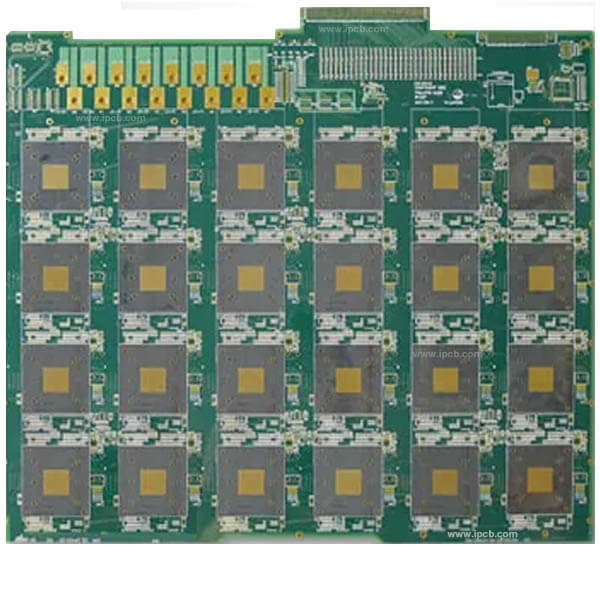
PCB EMI Shielding: Nested Shielding, Grounding and Shielding Can Design Guide

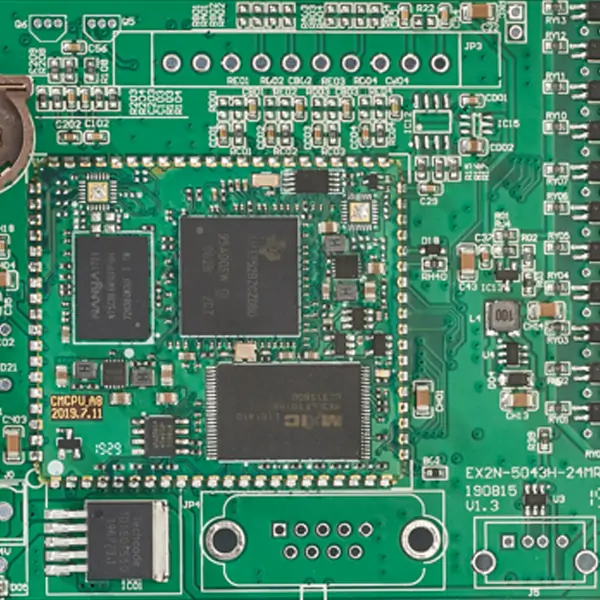
During product development, cost, schedule, quality, and electrical performance are closely connected. From these perspectives, it is generally more effective to address PCB EMI Shielding and electromagnetic compatibility (EMC) requirements as early as possible in the design cycle. Adding shielding components or implementing quick fixes late in development can increase…
PCB Trace Width

PCB Trace Width and Current Capacity: Power, Thermal and Via Design Guide

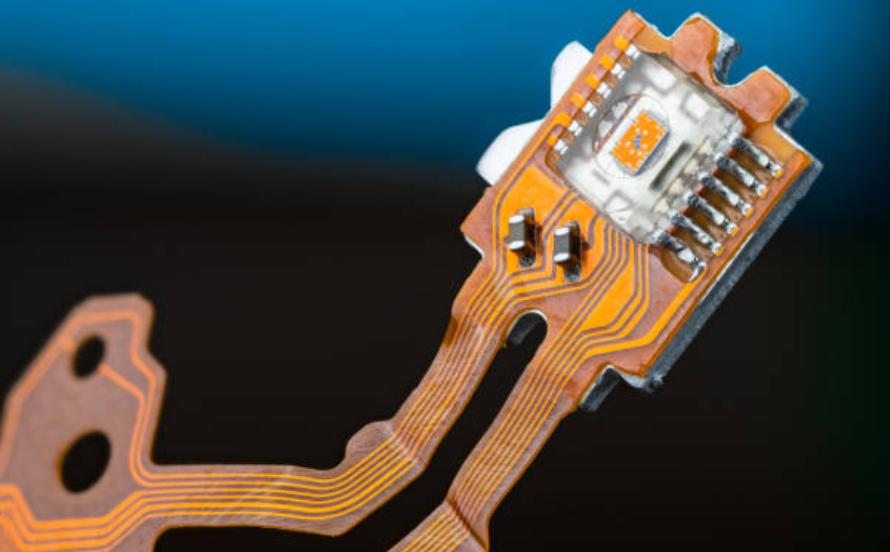
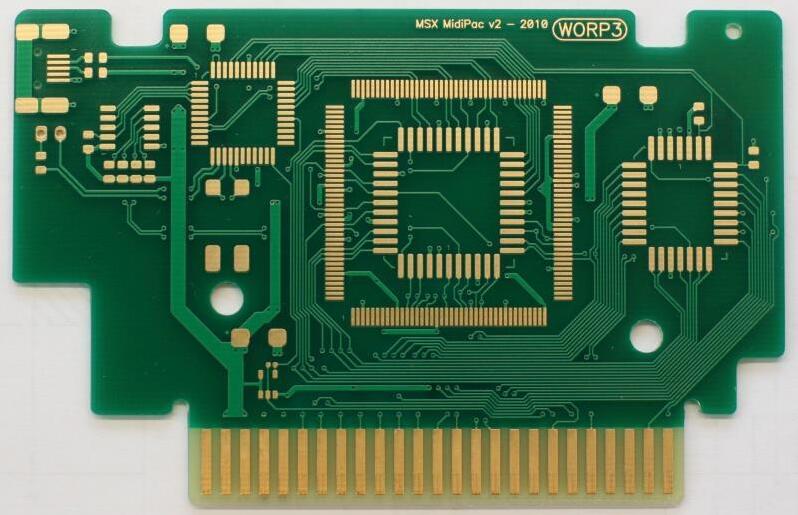
Not every PCB requires strict control of trace width and current capacity. However, when a circuit carries high current, experiences transient current pulses, or contains high-power components, conductor dimensions become critical design parameters. In motor-control systems, power electronics, industrial equipment, automotive electronics, battery systems, and other high-power applications, PCB traces…
PCB Design Guidelines

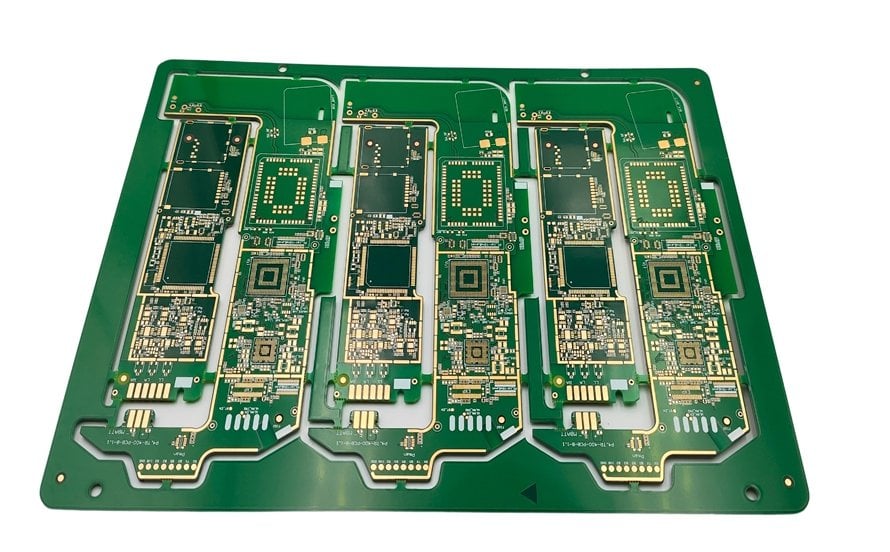
PCB Design Guidelines: Manufacturing Rules for Trace Width, Spacing and V-Cut

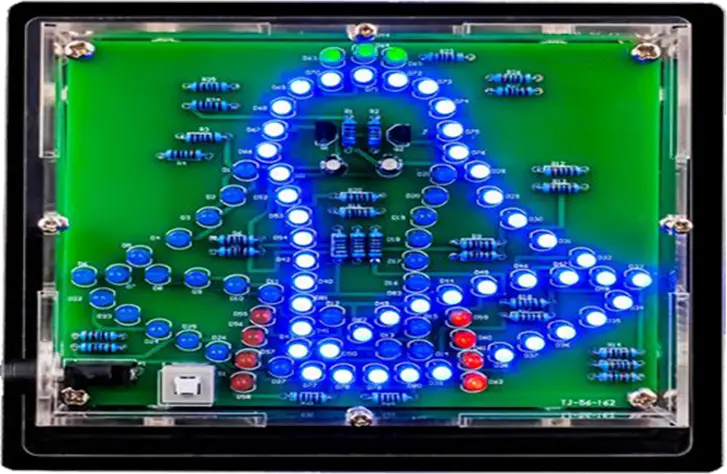
PCB design is closely related to manufacturing capability. A circuit board may be electrically functional in theory but still require design changes if its trace width, spacing, hole size, copper clearance, or mechanical features exceed the manufacturer’s process capability. For this reason, designers should consider PCB Design Guidelines and Design…
LED PCB Assembly

AI PCBA Manufacturing: How Artificial Intelligence Is Transforming Assembly

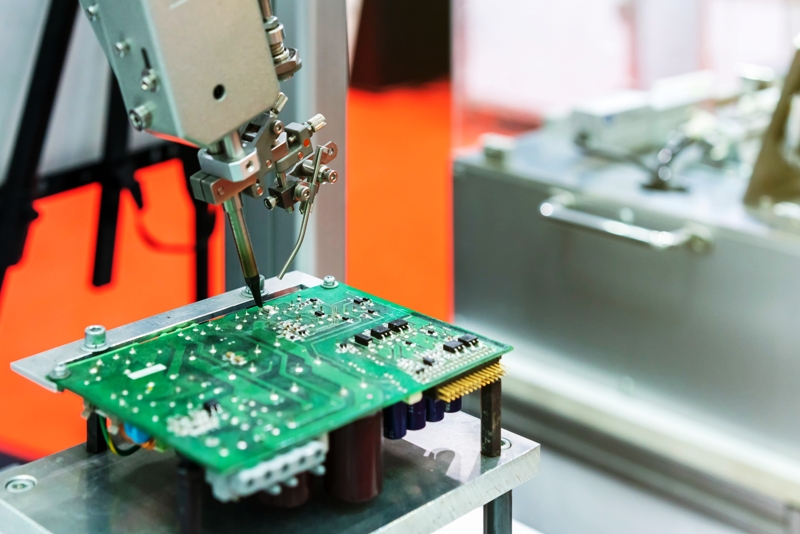
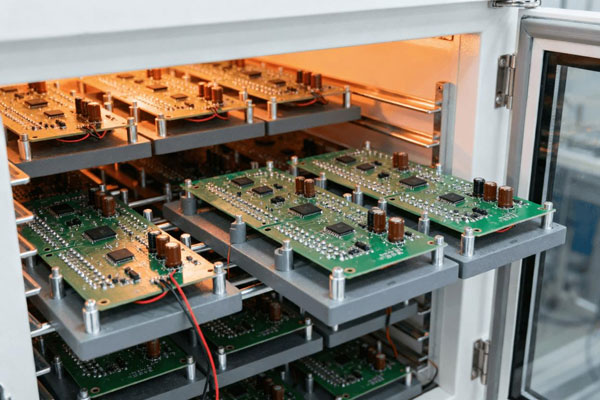
AI PCBA Manufacturing: How Artificial Intelligence Is Transforming Assembly The Shift Toward AI PCBA Manufacturing The printed circuit board assembly industry has supported electronics production for decades, but the way factories operate is changing. Driven by stronger domestic support for the integrated circuit industry and by growing demand for complex…