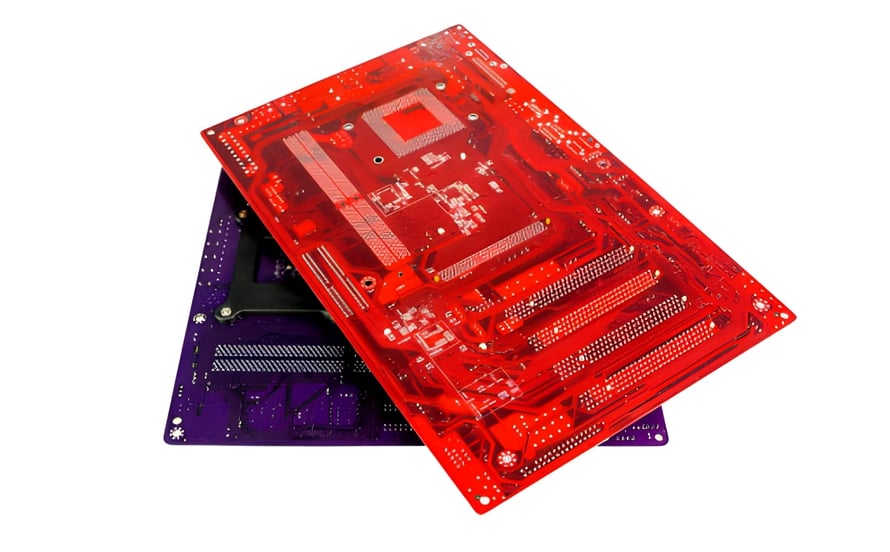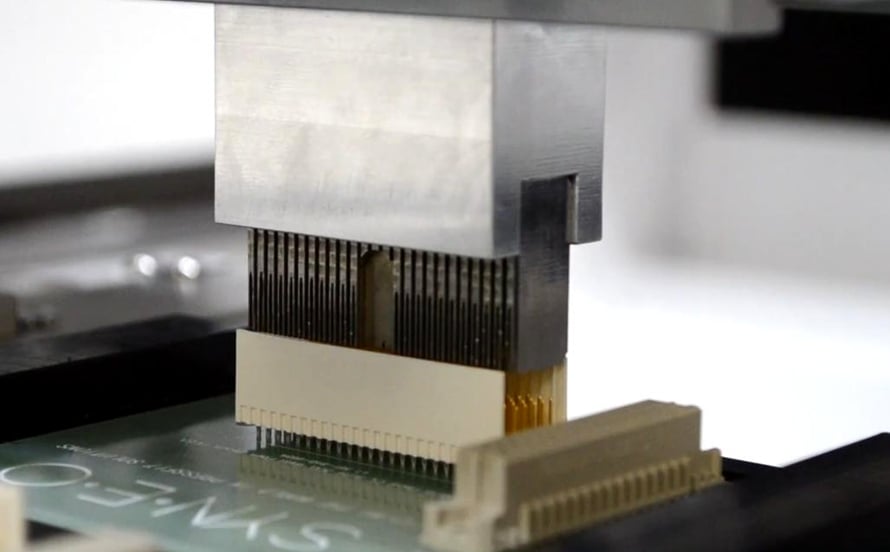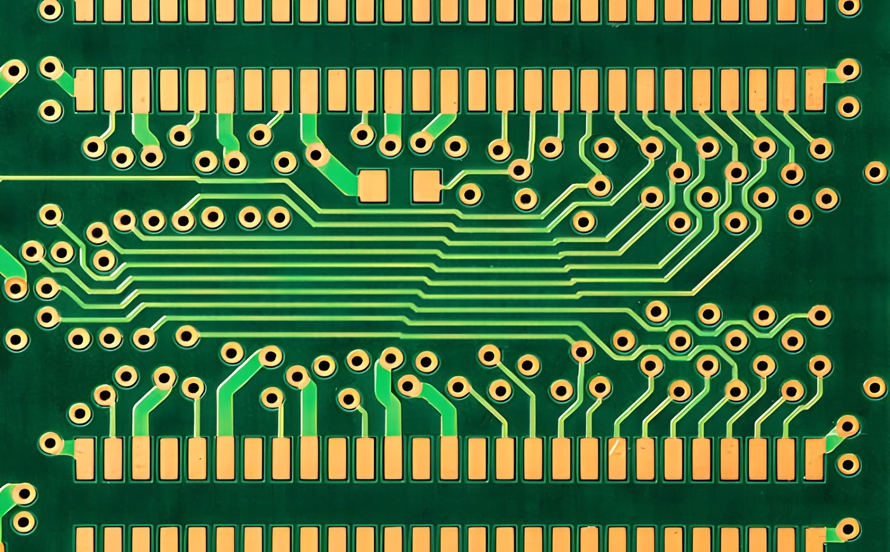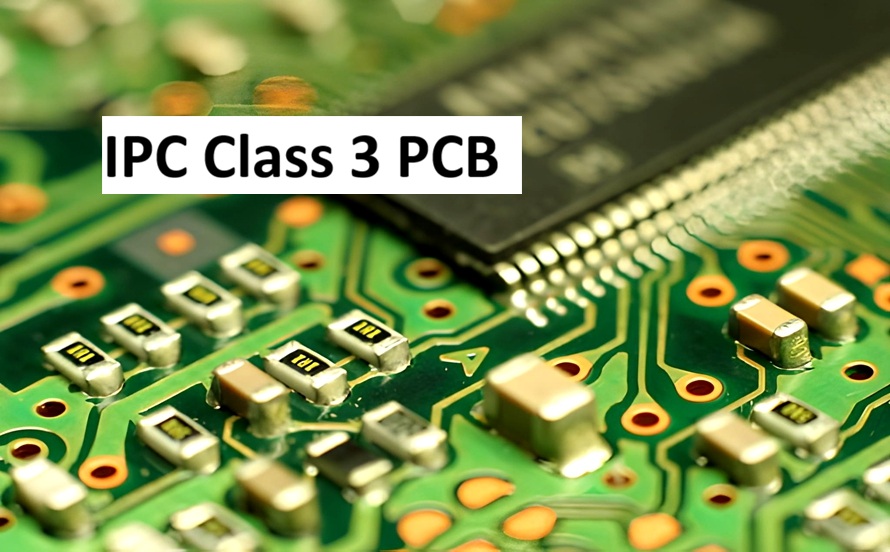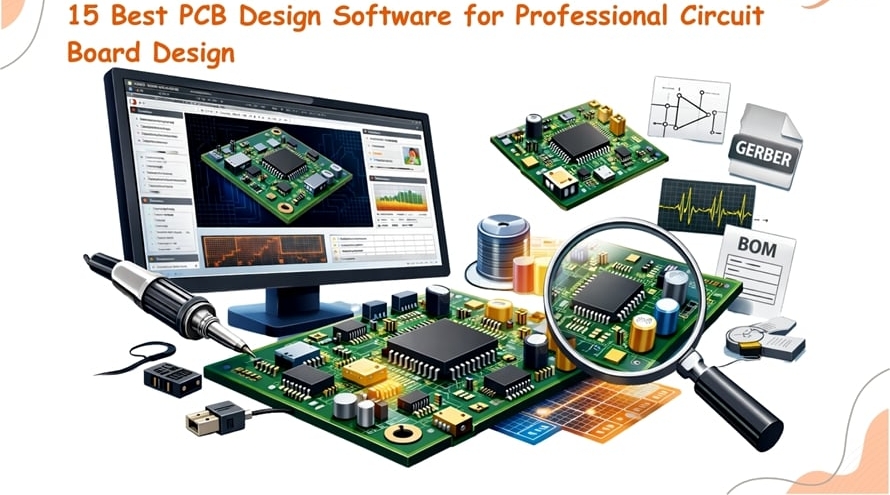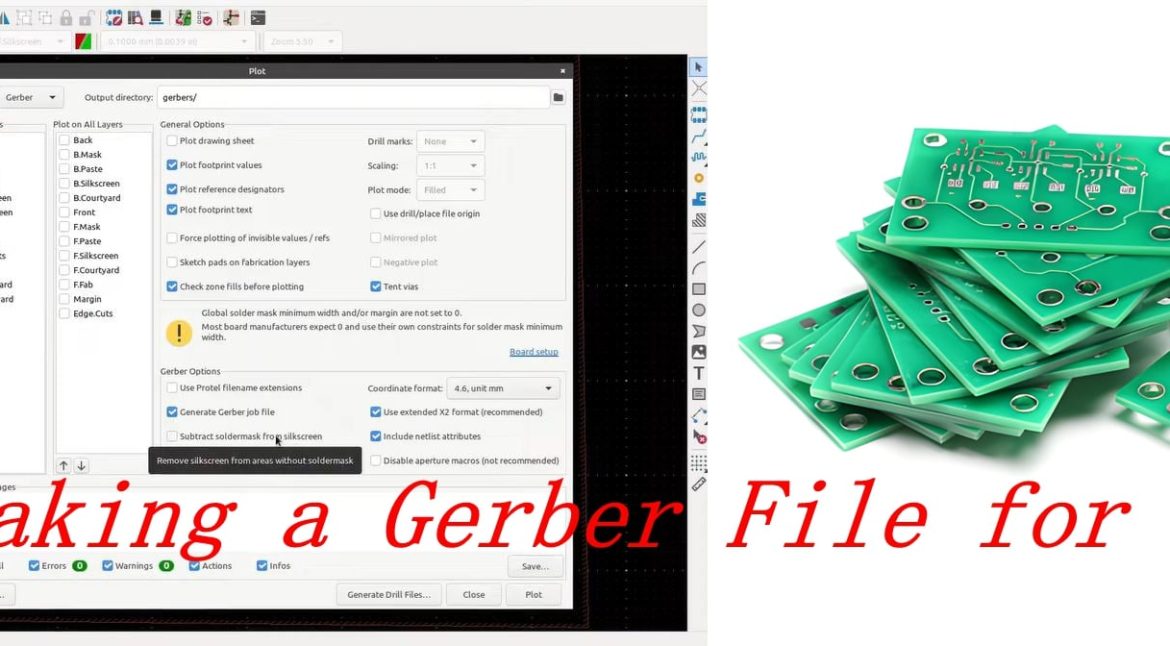
In PCB design software, the concept of “layers” is similar to the layers used in graphic design or document-editing software. However, PCB Layers are not simply virtual elements used to organize graphics, text, or colors. They correspond to the actual physical structure and manufacturing data of a printed circuit board.…
The wastewater generated during PCB Manufacturing varies significantly in terms of pollutant concentration and chemical composition. Low-concentration process wastewater and high-concentration spent chemical liquids require different collection and treatment methods. Therefore, an effective PCB Wastewater Treatment system should first classify wastewater according to its source and characteristics. Different wastewater streams…
A Flexible Printed Circuit (FPC) is a lightweight and highly flexible circuit board commonly manufactured using polyimide or polyester film as the base material. It provides excellent flexibility, reliability, and space-saving characteristics, making it particularly suitable for modern electronic products that require compact and highly integrated circuit structures. As the…
Routing is one of the most important stages in PCB Design and plays a critical role in determining the electrical performance, reliability, and manufacturability of the final product. The quality of PCB Routing can directly affect the performance of the entire electronic system, particularly in high-speed and high-frequency applications. Compared…
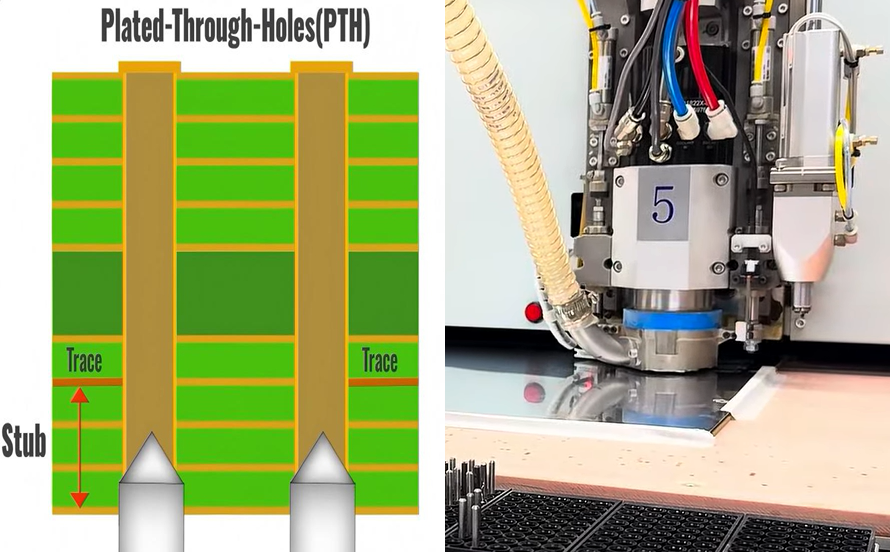
The development of PCB technology is closely connected with advances in electronic technology. As electronic products continue to evolve toward higher integration, smaller form factors, faster signal transmission, and greater functional density, conventional PCB manufacturing processes are facing increasingly demanding technical requirements. Traditional PCB Manufacturing primarily relies on subtractive processing,…
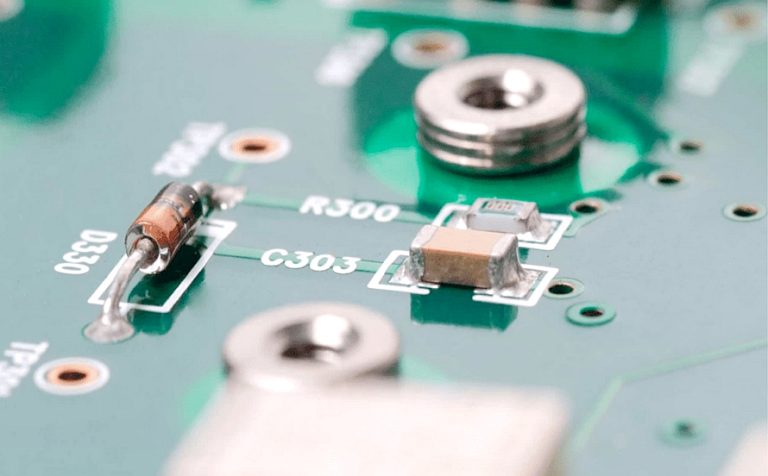
As electronic products become smaller, lighter, and more highly integrated, the requirements for printed circuit boards are becoming increasingly demanding. During the PCB Design and PCB Manufacturing processes, engineers need to consider not only electrical performance but also manufacturability, assembly requirements, thermal management, mechanical strength, and long-term reliability. A small…
A Flexible Printed Circuit, commonly known as an FPC or flexible circuit board, is a highly reliable and bendable type of printed circuit designed for applications where space, weight, and flexibility are critical. Flexible Printed Circuit (FPC) technology typically uses a thin and flexible polymer film, such as polyimide, as…
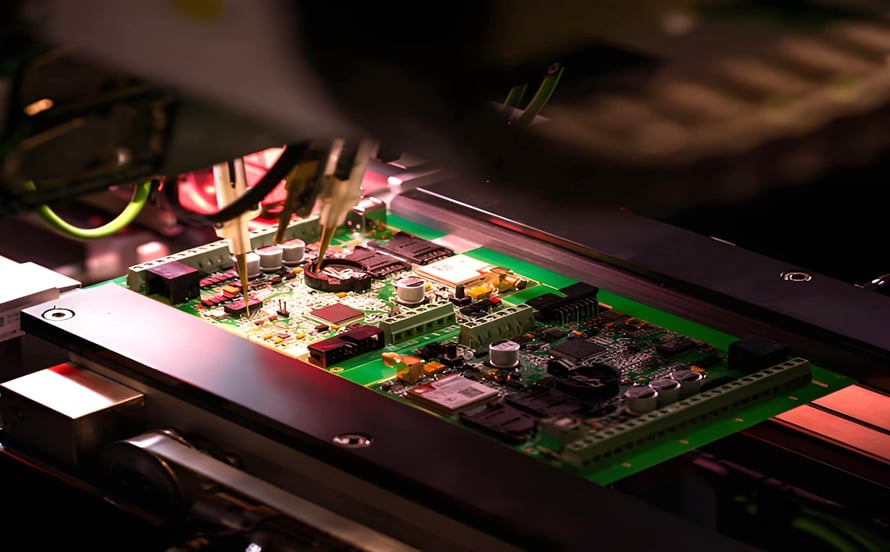
The rapid development of the industrial sector has brought both opportunities and challenges to the electronics industry. A PCB blank board becomes a finished PCBA after undergoing the complete SMT placement and soldering process at a professional PCBA manufacturing facility. Today, electronic products are becoming increasingly compact, lightweight, multifunctional, and…
CO₂ Laser Drilling Process Methods for HDI PCBs Keywords: CO₂ laser drilling, HDI PCBs, microvias, copper window, RCC (Resin Coated Copper), dielectric layer, ultra-thin copper foil, desmear process Overview of CO₂ Laser Drilling for HDI PCBs With the continuous development of high-density electronic products, the requirements for miniaturization, high-speed signal…
In the field of component interconnection technology for electronic products, printed circuit boards (PCBs) are widely used as the fundamental platform for connecting and supporting electronic components. With the continuous increase in the packaging density of modern electronic and electromechanical components, the requirements for printed circuit boards (PCBs) are becoming…