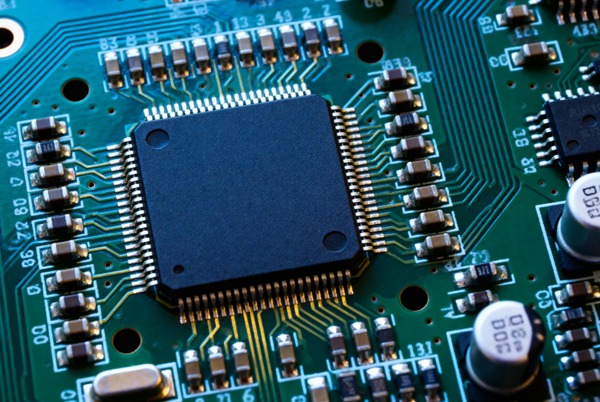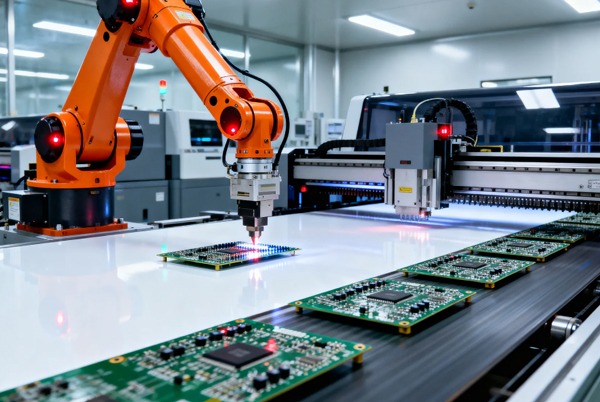
High-Mix Prototype PCB Assembly for Fast Development A high-mix prototype build rarely fails for one dramatic reason. It fails because several small decisions drift apart at once. One board needs a fine-pitch part, the next needs a connector pressed through a plated hole, and a third carries both. Each change…
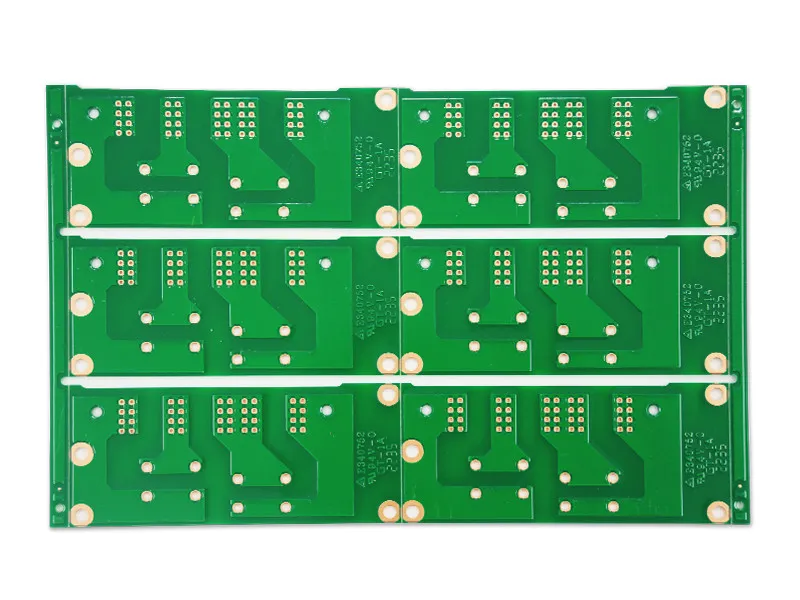
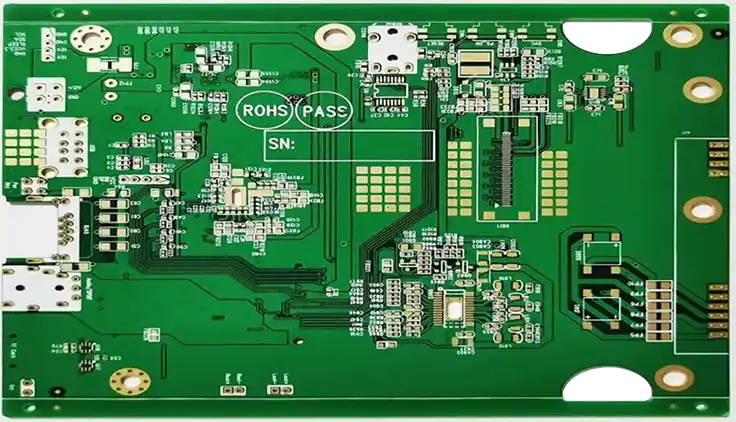
Double-Sided PCB Manufacturing: A 2-Layer Guide A two-layer board looks simple on paper. Two copper layers, one dielectric, and plated holes that join them. Yet most quality problems on this board type start before drilling and end long after electrical test. Buyers comparing quotes often see the same layer count…
PCB Manufacturing: Processes, Materials and Types PCB manufacturing turns a finished design into a physical bare board. The work runs through material cutting, imaging, etching, lamination, drilling, plating, solder mask, surface finish, and test. Each stage sets limits for the next one, so a small error early can travel a…
PCB Stencil for SMT Assembly: Laser-Cut Solder Stencils Solder paste printing decides how much metal reaches every pad before reflow. A PCB stencil controls that transfer, so its apertures, thickness and edge quality set the starting point for the whole SMT line. Laser-cut solder stencils are the common choice because…
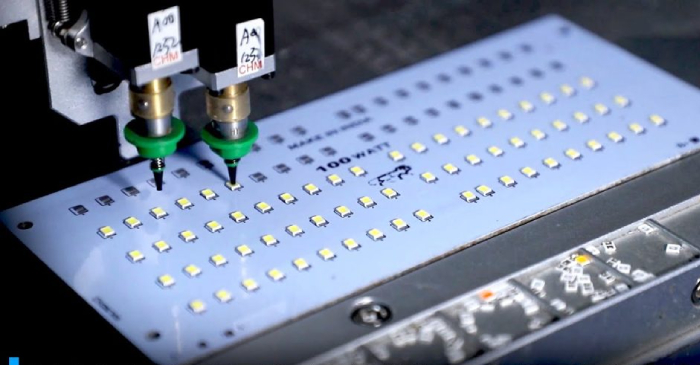
LEDs are widely used in streetlights, automotive headlights, smartphone flashes, industrial lighting, displays, medical devices, and smart lighting systems. At the center of these lighting products is the LED PCB, a specialized circuit board designed to distribute electrical power, manage heat, support LED components, and maintain reliable operation. Compared with…
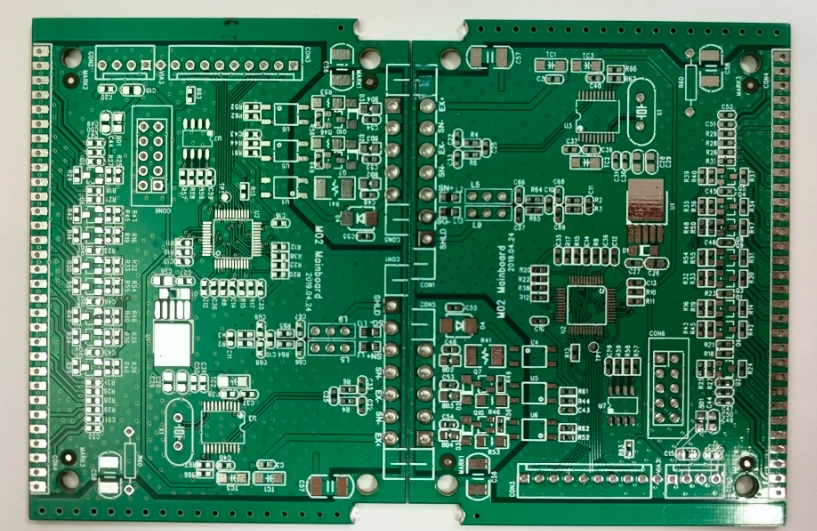
Rigid PCB Manufacturing: A Buyer and Engineer Review Rigid boards carry most of the world’s electronics, yet the quotation rarely shows how the work is controlled. The difference between two suppliers often sits in the details that never reach the summary sheet. Which stackup was agreed, which drill program ran,…
Multilayer PCB Manufacturing: Stackup, Vias and Process Multilayer boards solve a simple problem: the circuit has outgrown the board area. Extra copper layers let designers route more signals, distribute power, and keep ground references close to high-speed traces. But each added layer also adds process steps, alignment risk, and cost.…
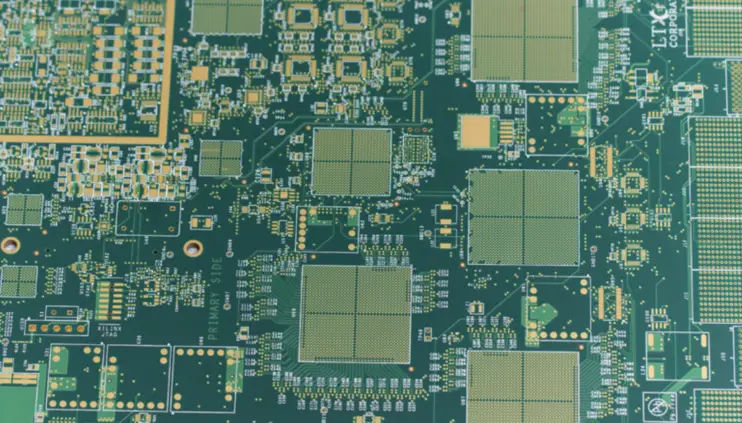
The world of electronics is advancing rapidly. Artificial intelligence (AI), 5G, cloud computing, high-performance computing, and the Internet of Things (IoT) are increasing the amount of data that electronic systems need to process and transmit. Behind these technologies are increasingly sophisticated high-speed PCBs, which provide the electrical pathways between processors,…
As electronic systems become faster, denser, and more interconnected, controlling signal integrity, power integrity, electromagnetic interference (EMI), and thermal performance has become increasingly important. Modern computing platforms, telecommunications equipment, AI infrastructure, automotive electronics, 5G systems, medical devices, industrial controls, and IoT products all depend on reliable high-speed data transmission. At…
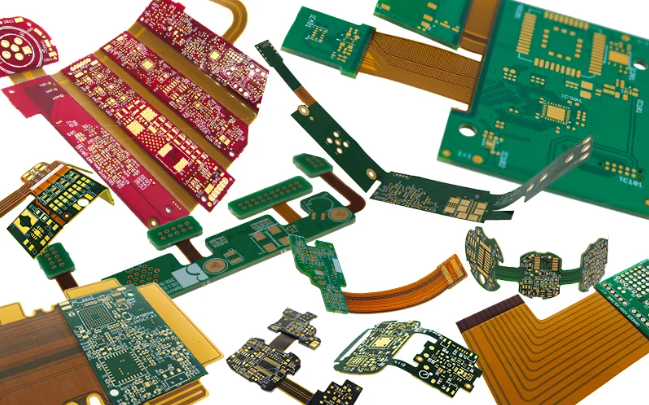
As electronic products become smaller, lighter, and more highly integrated, conventional rigid circuit boards are often unable to satisfy increasingly complex packaging and interconnection requirements. Rigid-Flex PCB technology combines rigid circuit sections with flexible circuit regions, allowing engineers to integrate electrical connections into compact and three-dimensional mechanical structures. Compared with…