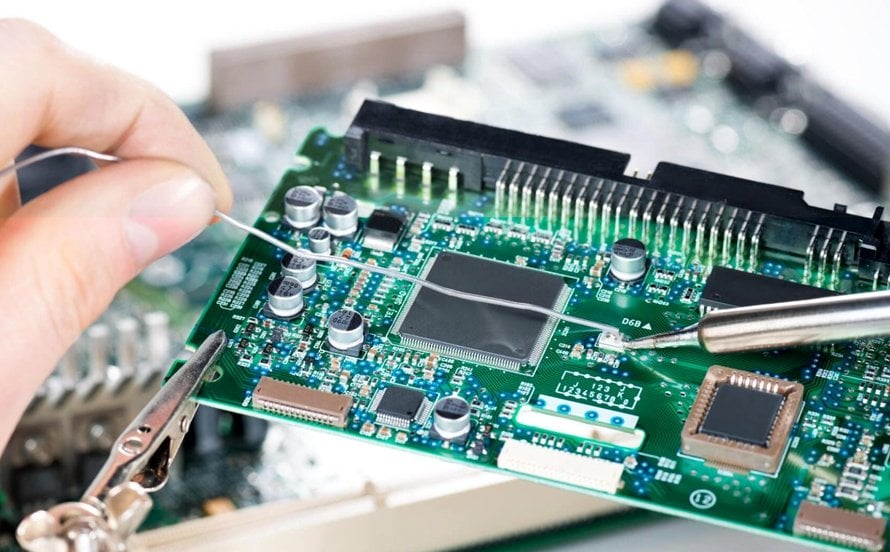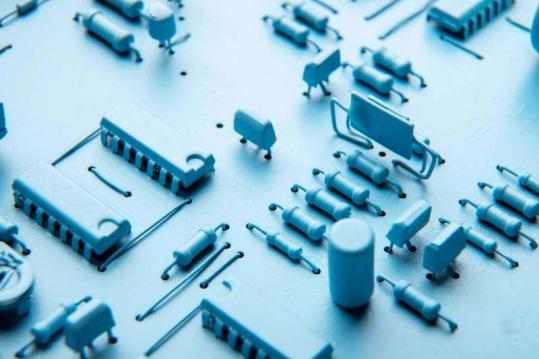
Lead-Free PCB Assembly has become a widely adopted manufacturing approach as electronics manufacturers respond to environmental regulations, customer requirements, and the growing demand for more sustainable production. In a typical PCB Assembly process, electronic components are soldered to a printed circuit board using technologies such as surface mount technology (SMT),…
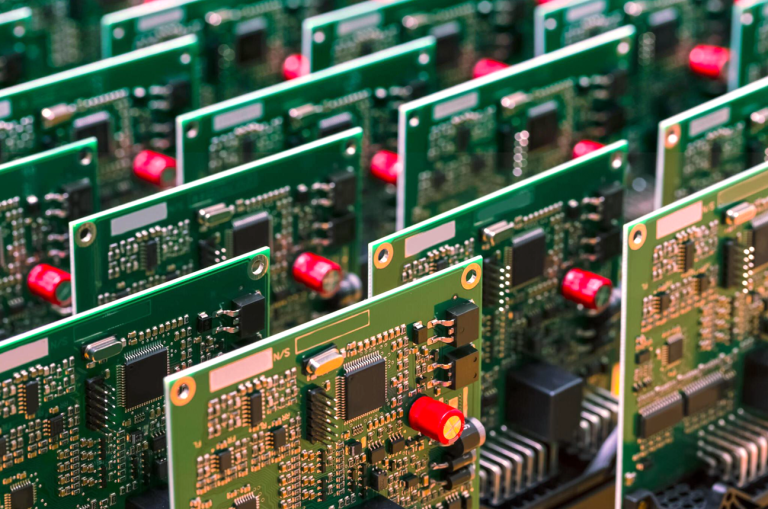
Custom PCB Assembly refers to manufacturing and assembling printed circuit boards according to the specific electrical, mechanical, thermal, environmental, and production requirements of a product. Unlike standardized circuit boards designed for general applications, a Custom PCB is developed around the requirements of a particular electronic system. Customization can involve the…
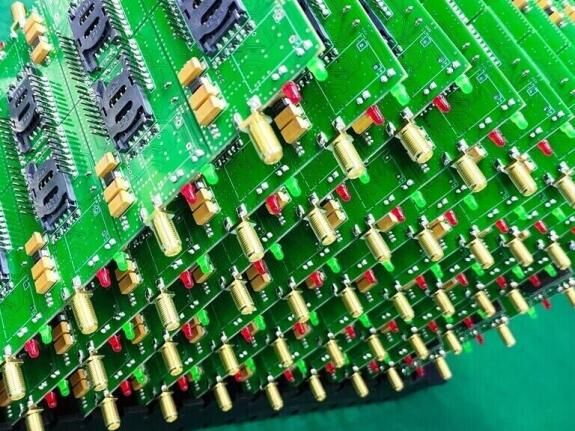
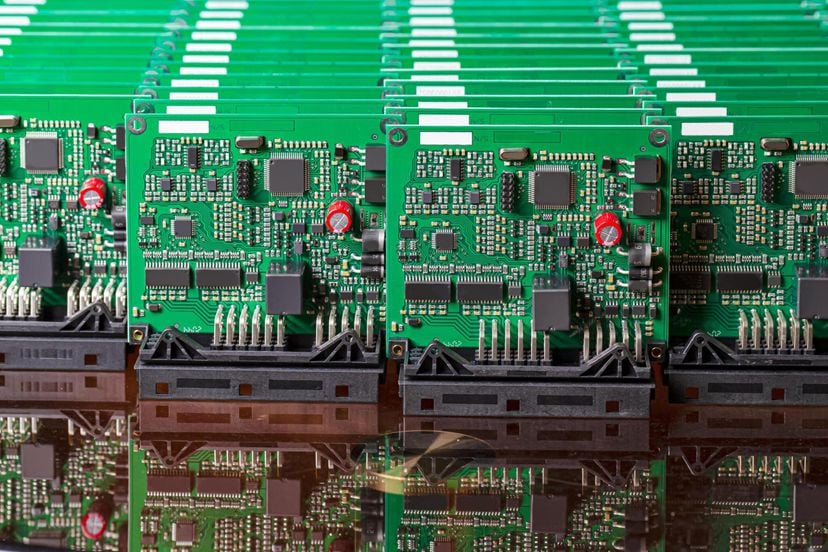
High-Volume PCB Assembly refers to the production of large quantities of assembled printed circuit boards using highly controlled and repeatable manufacturing processes. There is no universal production quantity that officially defines high-volume PCB assembly. Depending on the manufacturer, industry, and product type, high-volume production may range from several thousand units…
When developing a new electronic product, it is often difficult to identify every design or manufacturing issue before physical hardware is built. Producing a small number of assembled boards allows engineers to verify the design, evaluate component performance, identify manufacturing problems, and make improvements before committing to larger production volumes.…
Low-Cost PCB Assembly does not simply mean choosing the lowest-priced manufacturing service. A reliable cost-effective solution should reduce unnecessary manufacturing expenses while maintaining the required quality, electrical performance, reliability, and production consistency. China has a well-established electronics manufacturing ecosystem, including PCB fabrication, component sourcing, PCB assembly, testing, logistics, and supply-chain…
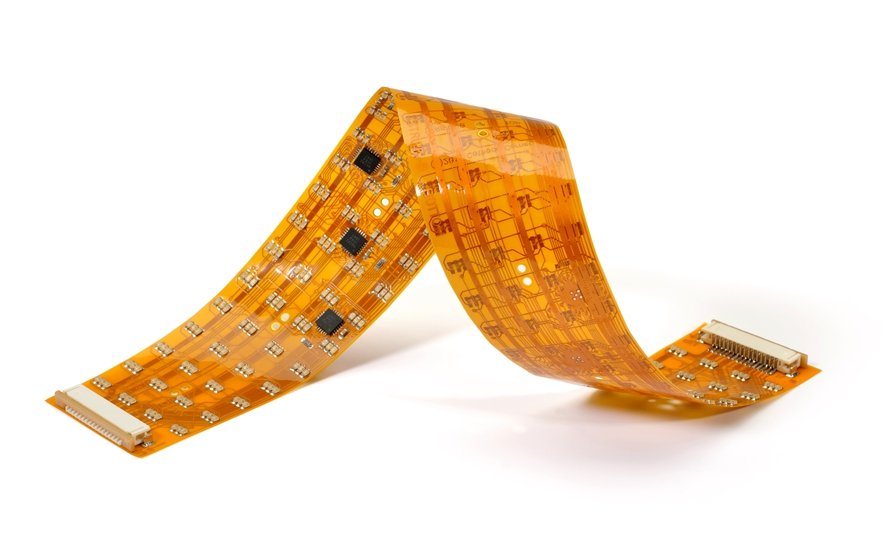
As electronic devices become smaller, lighter, and more functionally integrated, flexible circuits are increasingly used in applications where conventional rigid circuit boards cannot provide sufficient mechanical flexibility or space efficiency. Flexible PCB Assembly combines flexible circuit technology with electronic component assembly to create compact, lightweight, and reliable electronic modules. Unlike…
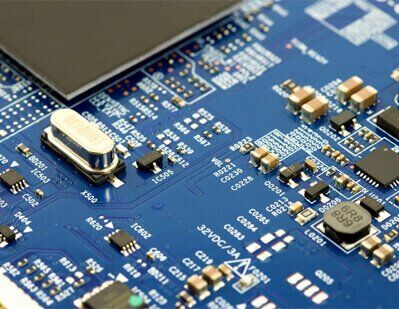
Printed circuit boards (PCBs) are widely used in consumer electronics, telecommunications, automotive systems, industrial equipment, and IoT devices. As electronic products continue to become more compact and complex, manufacturers are under increasing pressure to shorten development cycles and bring products to market faster. PCB Assembly is the process of mounting…
Prototype PCB Assembly is the process of producing a limited number of assembled printed circuit boards to verify a product design before moving into larger-scale production. It allows engineers to evaluate whether the PCB design, components, assembly process, and electrical functions work as intended under practical manufacturing conditions. During prototyping,…
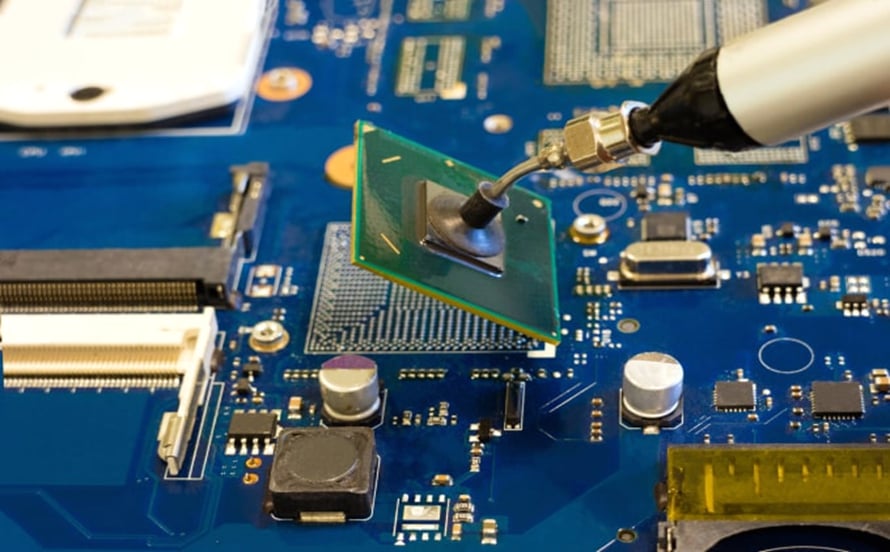
BGA Assembly is a specialized form of surface-mount technology (SMT) used to mount Ball Grid Array packages onto printed circuit boards. Unlike conventional leaded packages, BGA devices use an array of solder balls underneath the package to create electrical and mechanical connections with the PCB. Because the solder joints are…
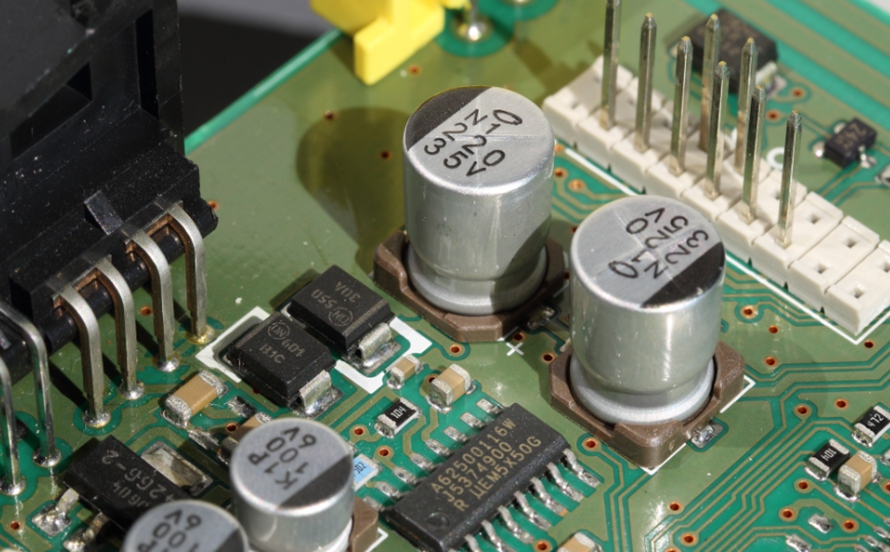
At Kingda, we provide reliable and professionally controlled Through-Hole PCB Assembly solutions for electronic products that require strong mechanical connections, dependable solder joints, and long-term operating stability. Through-hole technology remains an important assembly method for applications involving large components, high mechanical stress, high-current connections, or components that are frequently subjected…