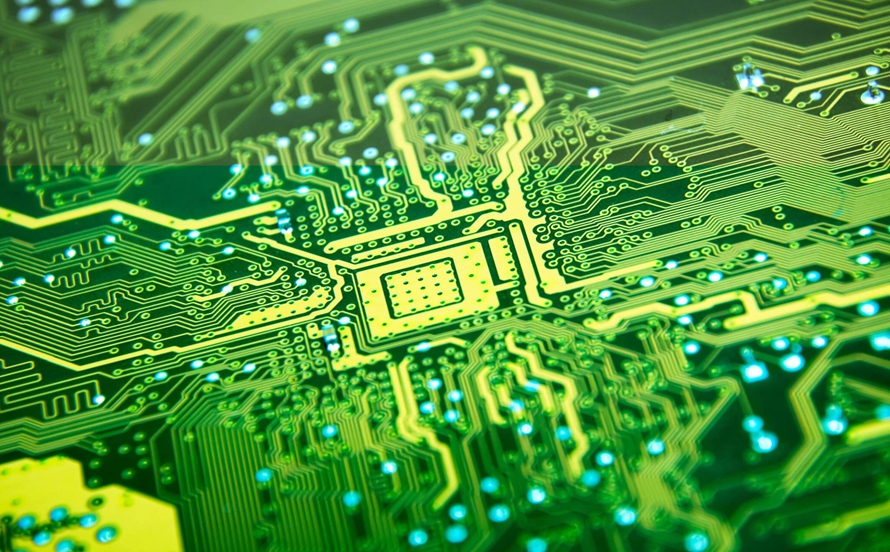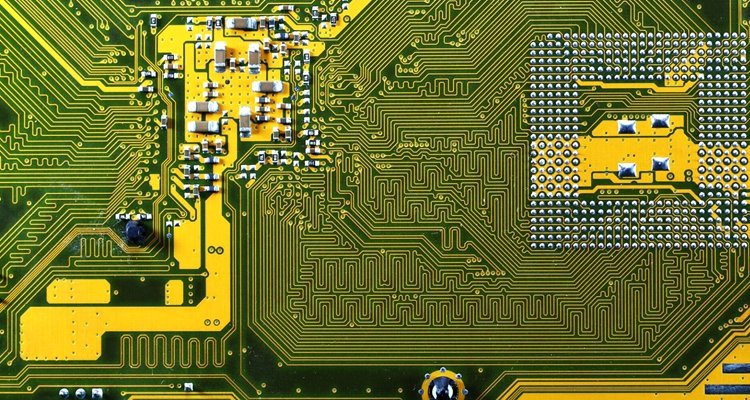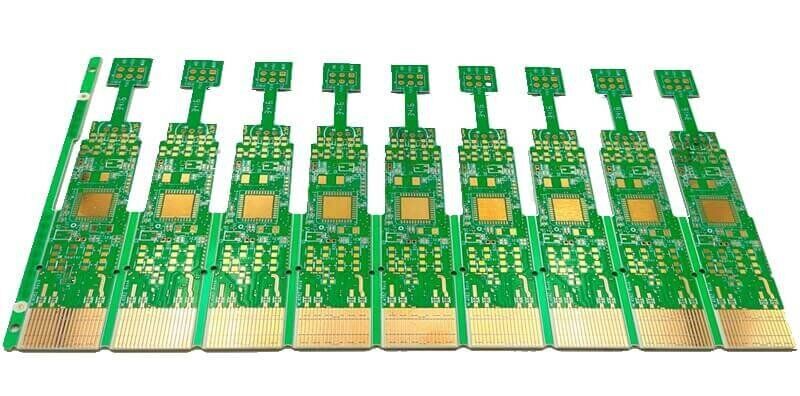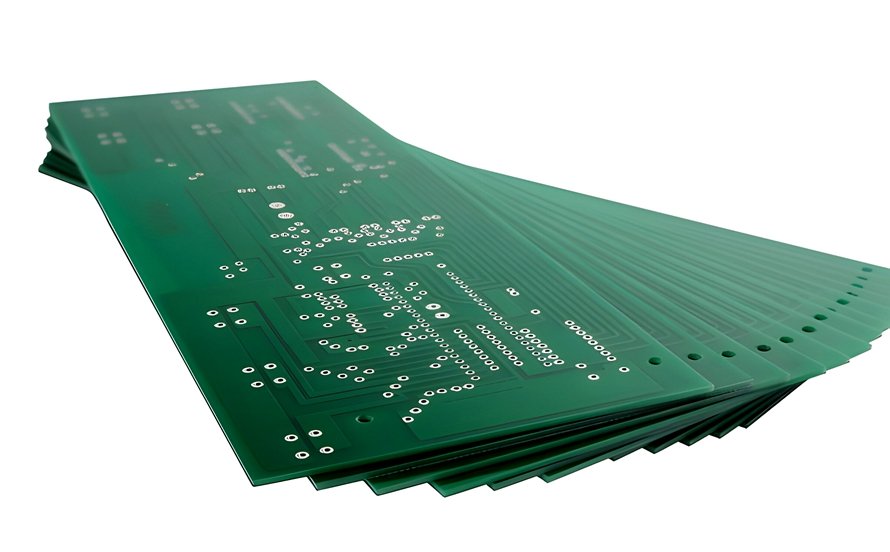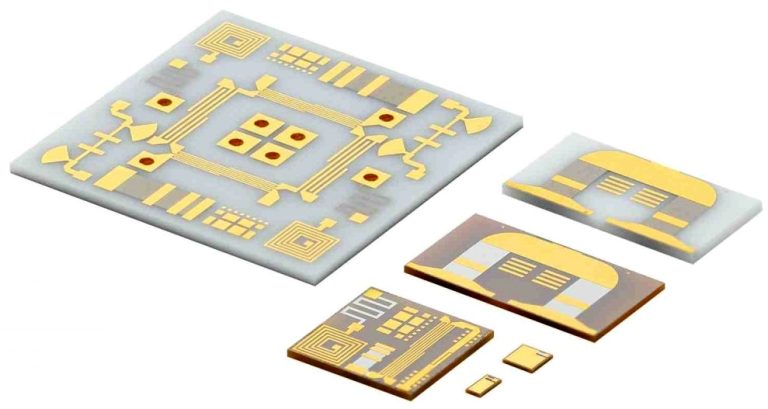
Ceramic PCB

Ceramic PCB: Types, Benefits, Manufacturing Process and Applications

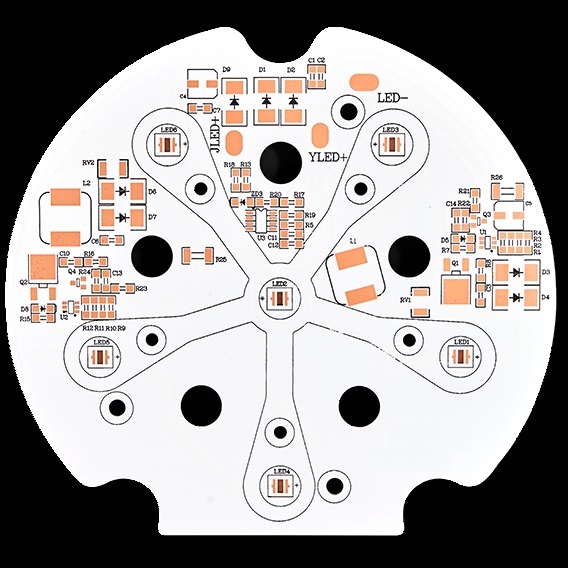
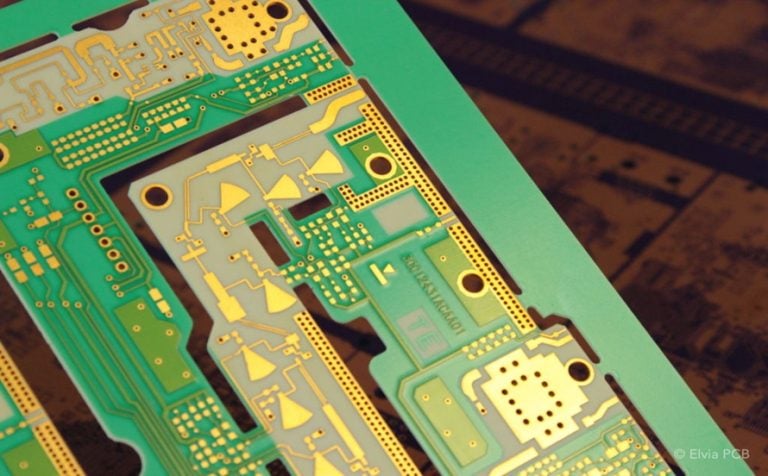
A Ceramic PCB is a printed circuit board that uses a ceramic substrate instead of conventional organic materials such as FR-4. Ceramic substrates are valued for their excellent thermal performance, electrical insulation, dimensional stability, and resistance to demanding operating environments. Common ceramic substrate materials include alumina (Al₂O₃), aluminum nitride (AlN),…
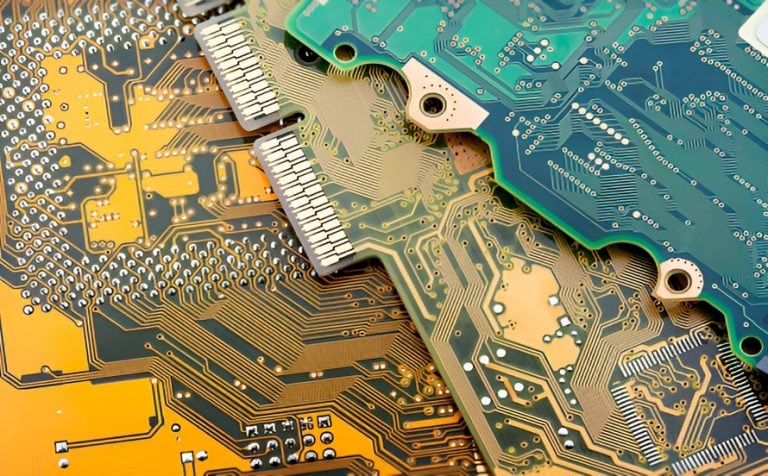
FR-4 Circuit Board

FR-4 PCB: Properties, Applications and Manufacturing Process

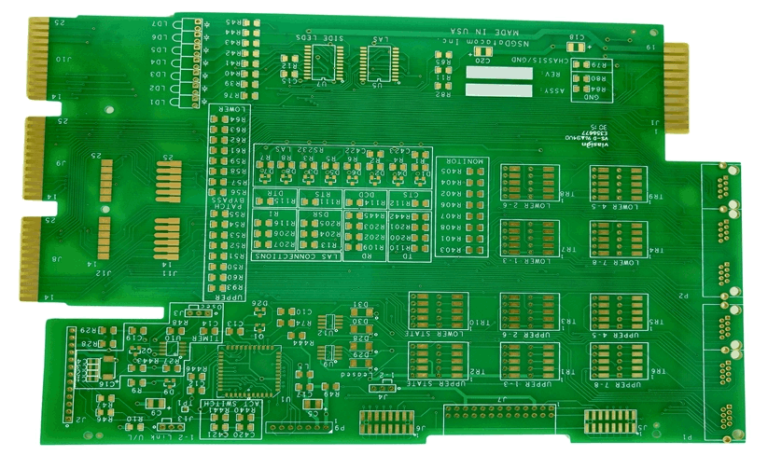
Among the many materials used for printed circuit boards, FR-4 PCB is one of the most widely adopted choices. FR-4 is a glass-fiber-reinforced epoxy laminate system that provides a combination of mechanical strength, electrical insulation, thermal stability, manufacturability, and cost effectiveness. The term FR-4 is commonly associated with flame-retardant glass-reinforced…
Controlled Impedance PCB

Controlled Impedance PCB: Design, Factors and Applications

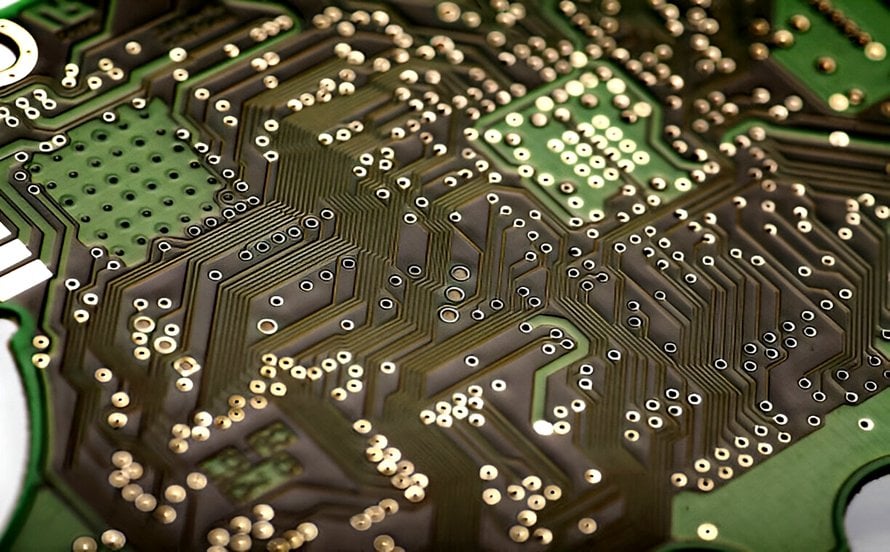
In high-speed electronic systems, maintaining predictable signal transmission is essential for reliable performance. As signal frequencies and data rates increase, PCB traces can no longer be treated as simple electrical connections. Their geometry, surrounding dielectric material, reference planes, and transmission distance all influence electrical behavior. A Controlled Impedance PCB is…
Custom PCB

Custom PCB: Design, Manufacturing, Benefits and Applications

A Custom PCB is a printed circuit board specifically designed and manufactured to meet the electrical, mechanical, thermal, and functional requirements of a particular electronic product. Unlike standard off-the-shelf circuit boards, a custom PCB can be tailored to the application’s exact requirements, including board dimensions, layer count, substrate material, copper…