SMT Assembly

SMT Assembly Design: DFM, Fine-Pitch Components and PCBA Testing Guide

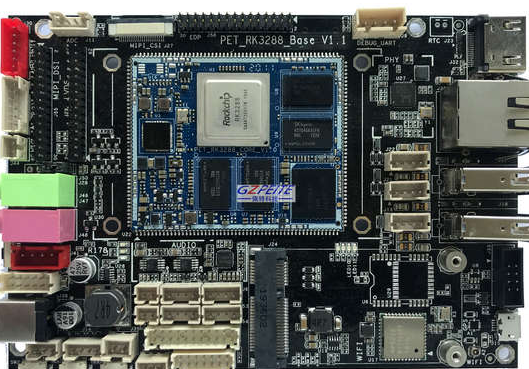
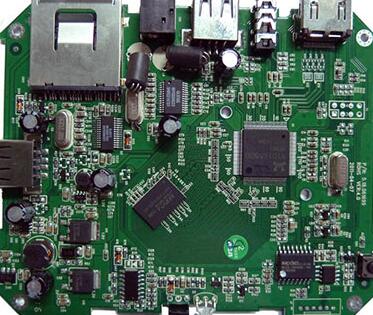
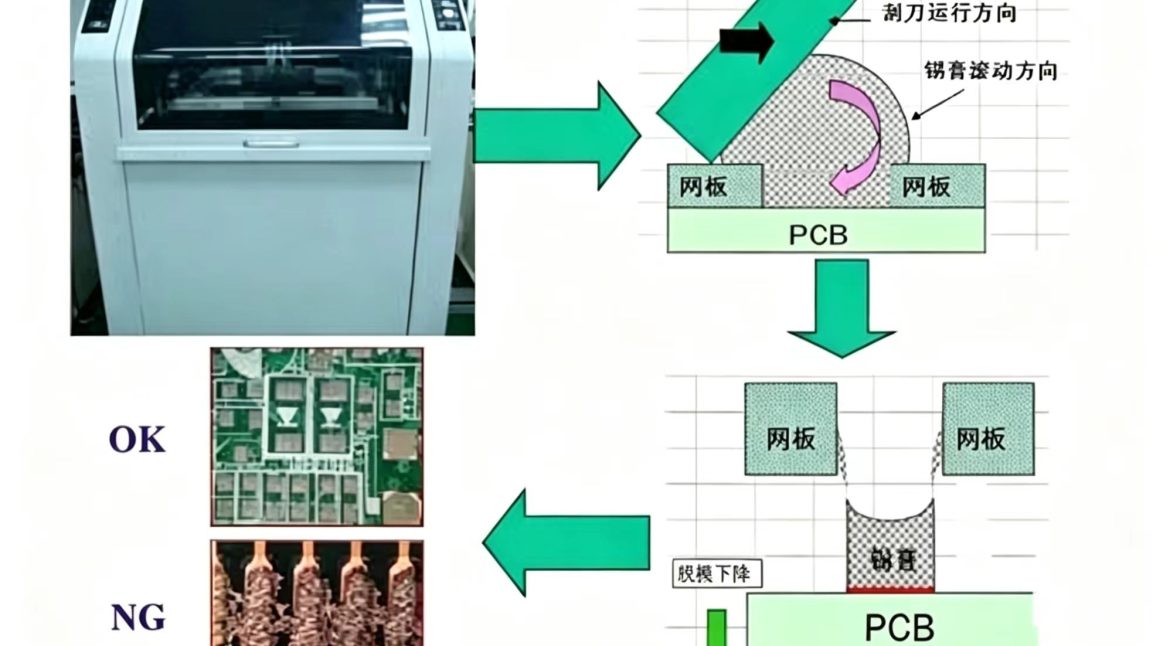
A successful electronic product requires more than a correct schematic and functional PCB layout. The design must also consider assembly processes, component tolerances, inspection requirements, testing accessibility, repairability, and high-volume production. This is especially important for SMT Assembly, where fine-pitch components, high component density, small solder joints, and automated placement…
PCB Manufacturing

LED Driver PCB Design: Key Skills, Layout Guidelines and Specifications

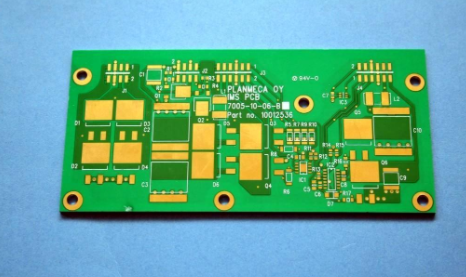
In LED lighting systems, the power supply and driver circuit directly affect efficiency, thermal performance, electromagnetic compatibility, and overall product reliability. A well-designed LED Driver PCB is therefore essential for converting and regulating electrical power while maintaining stable LED current and minimizing unwanted electromagnetic interference. In addition to the schematic,…
Satellite Flexible PCB

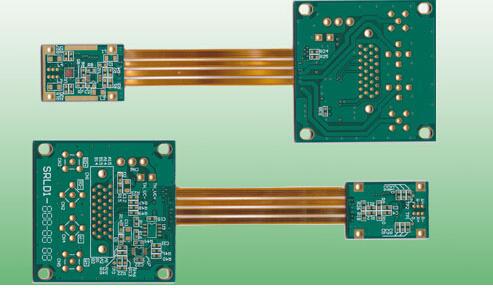
Satellite Flexible PCB: Design, Materials and Reliability Guide for Space Applications

Over the past several years, competition among commercial space companies and aerospace organizations has increased significantly. The rapid expansion of satellite communications, remote sensing, navigation, weather monitoring, and other space-based services has created growing demand for electronic systems that can operate reliably under extreme environmental conditions. As satellite platforms become…
Flexible PCB

FPC Stiffener: Types, Materials and Reinforcement Guide for Flexible PCBs

Flexible printed circuits are lightweight, thin, and highly bendable, making them ideal for compact electronic products and applications where conventional rigid PCBs cannot provide sufficient mechanical flexibility. However, this flexibility can also create challenges in areas where components must be mounted, connectors inserted, or the circuit needs additional mechanical support.…
PCB Manufacturing

Fast PCB Prototyping Methods: A Guide to Rapid Circuit Board Fabrication

With the rapid development of electronic communication technology, traditional PCB Manufacturing methods must continually evolve to meet the demands of modern electronic products. Today’s devices require smaller dimensions, higher circuit density, improved electrical performance, and shorter development cycles. For engineers, shortening the time between PCB Design completion and a functional…
High-Density Interconnect

HDI PCB: High-Density Interconnect Technology and Manufacturing Guide

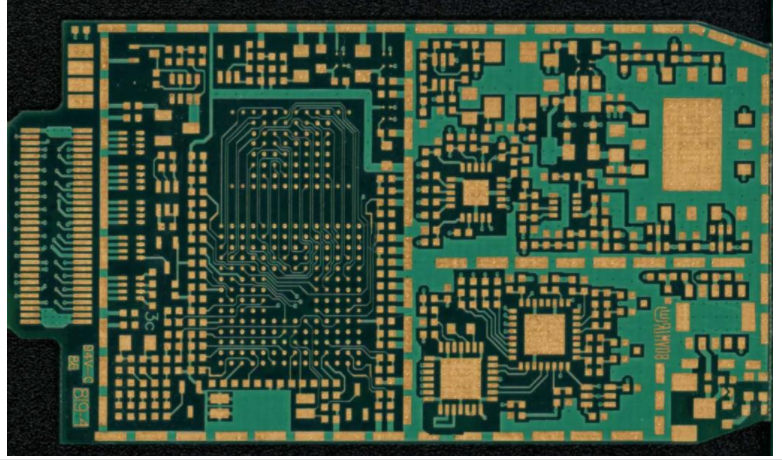
HDI PCB stands for High-Density Interconnect PCB. High-Density Interconnect technology is an advanced PCB Manufacturing technology developed to accommodate the increasing demands for miniaturization, higher component density, faster signal transmission, and greater functionality in modern electronic products. A printed circuit board is a structural platform composed of insulating materials and…
SMT Assembly

SMT Assembly Cost: 8 Key Factors Affecting PCBA Manufacturing

SMT Assembly is one of the most widely used technologies in modern electronics manufacturing. It enables electronic components to be mounted directly onto the surface of a printed circuit board (PCB), providing high production efficiency, excellent assembly density, and consistent manufacturing quality. Compared with traditional through-hole assembly, SMT Processing can…
PCB Defects

PCB Lamination Process: 22 Essential Terms for Multilayer PCB Manufacturing

PCB Lamination is one of the most critical processes in Multilayer PCB manufacturing. During lamination, copper-clad inner layers, Prepreg, and copper foil are stacked and bonded under controlled temperature and pressure to form a mechanically stable multilayer structure. The quality of the lamination process directly affects layer-to-layer registration, dielectric thickness,…