With the continuous development of electronic products toward miniaturization, lightweight design, and higher integration, traditional through-hole assembly methods can no longer fully meet the requirements of modern electronics. As a result, Surface Mount Technology (SMT) has become one of the most important manufacturing technologies in the electronics industry. Unlike traditional…
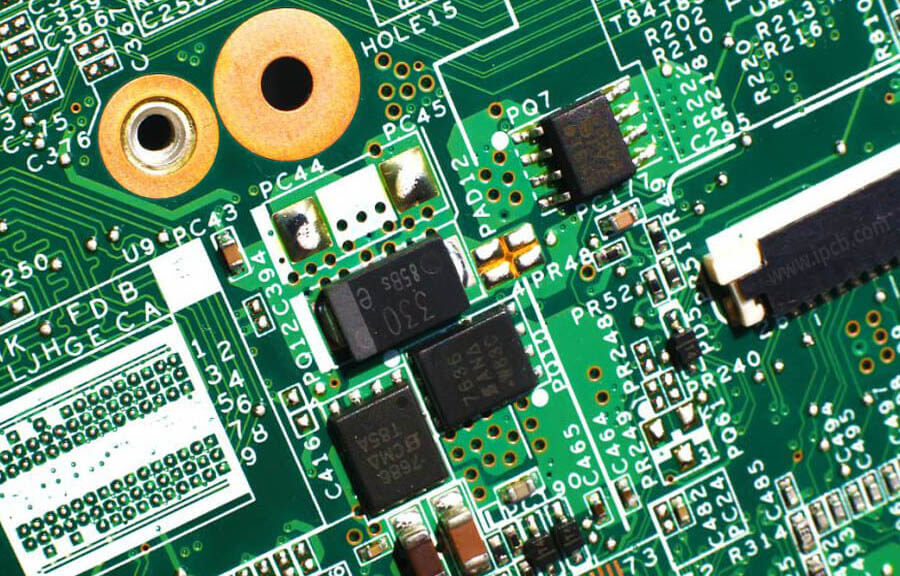
The Importance of PCB Surface Finish With the rapid development of electronic products toward miniaturization, higher performance, and higher reliability, the requirements for printed circuit boards have continued to increase. During the PCB Manufacturing process, surface treatment technology has become a critical factor affecting PCB quality, assembly performance, and product…
In the PCB manufacturing industry, PCB surface finish plays a critical role in ensuring solderability, electrical performance, and long-term reliability of printed circuit boards. Since natural copper easily reacts with oxygen in the air and forms copper oxide, exposed copper surfaces cannot maintain good solderability for extended periods. Therefore, applying…
Introduction to PCB Manufacturing Process The PCB Manufacturing Process is a highly precise and systematic procedure used to transform raw materials into reliable printed circuit boards for electronic products. With the rapid development of modern electronics, PCB technology continues to evolve to support higher circuit density, faster signal transmission, improved…
The Importance of PCB Layer Stackup in EMI Control With the continuous development of modern electronic products, circuit operating frequencies are increasing rapidly while device sizes continue to shrink. These trends bring significant challenges to electromagnetic compatibility (EMC), especially electromagnetic interference (EMI) control. There are many methods available to solve…
In the early stages of PCB Design, engineers were often less involved in planning the internal layer structure of a circuit board. Designers mainly needed to know the required number of layers and basic layer assignments to configure their design tools. Beyond that, they had limited interaction with the layer…
The correct installation and placement of electronic components on a PCB is one of the most important factors affecting soldering quality, assembly efficiency, and product reliability. A well-designed PCB Component Placement strategy can significantly reduce manufacturing defects, improve electrical performance, and enhance the overall reliability of electronic products. With the…
Today, almost every electronic product depends on one or more Printed Circuit Boards (PCBs) to provide electrical connections and support the operation of electronic components. From smartphones, automotive electronics, communication equipment, and industrial control systems to medical devices and intelligent wearable products, PCBs have become an essential foundation of modern…
With the rapid development of the electronics industry, electronic products are becoming increasingly smaller, lighter, and more powerful. This trend has created both opportunities and challenges for PCB Manufacturing and electronic assembly technologies. Modern electronic devices such as smartphones, communication equipment, automotive electronics, medical devices, industrial control systems, and wearable…
With the continuous development of electronic products toward miniaturization, higher integration, and improved reliability, the requirements for PCB Manufacturing technology are becoming increasingly strict. As one of the most important processes in printed circuit board production, PCB Surface Treatment technology directly affects solderability, electrical performance, storage life, and long-term reliability…