Rigid-Flex PCB

Rigid-Flex PCB Design: Fabrication Files, ODB++, and Stackup Requirements

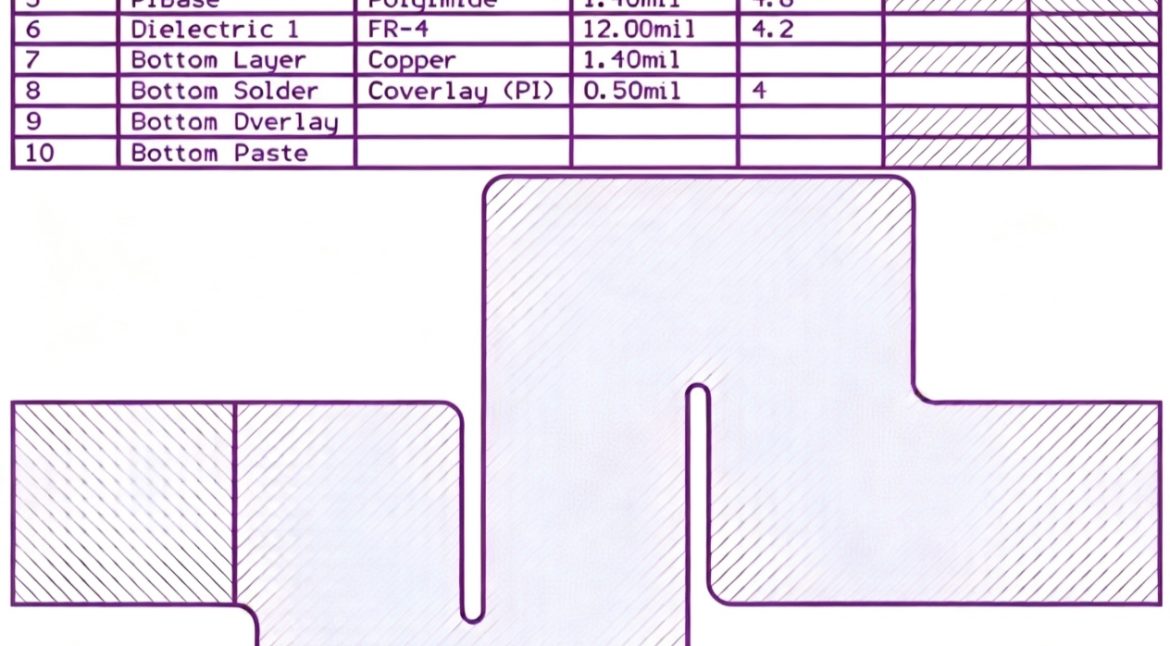
Designing a Rigid-Flex PCB requires close coordination between PCB design and manufacturing. Unlike a conventional rigid or flexible circuit board, a rigid-flex board combines rigid and flexible sections within the same structure. Different regions may therefore require different materials, layer configurations, coverlay structures, and fabrication processes. Understanding the manufacturing process…
Flying Probe Testing

Flying Probe Testing for PCB Electrical Testing and Quality Control

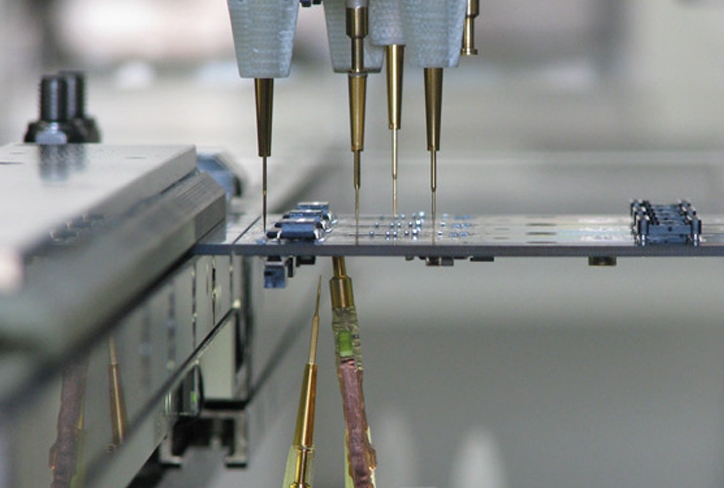
Flying Probe Testing is an advanced PCB Testing method developed to address the limitations of conventional electrical testing, particularly for prototypes, small-batch production, and complex high-density circuit boards. Instead of using a fixed bed-of-nails fixture, a flying probe tester uses multiple motor-driven probes that move rapidly and precisely across the…
PCB Quality Inspection

PCB Quality Inspection Standards for Double-Sided and Multilayer PCBs

In modern electronics manufacturing, consistent PCB Quality Inspection is essential for ensuring electrical performance, dimensional accuracy, assembly compatibility, and long-term product reliability. As PCB structures become increasingly complex, manufacturers must apply systematic inspection criteria to substrates, copper conductors, plated holes, solder masks, surface finishes, silkscreens, board dimensions, and mechanical characteristics.…
PCB Manufacturing

PCB Design Guidelines: Key Manufacturing and Assembly Considerations

In modern electronic products, PCB Design plays a critical role in component interconnection and system integration. As electronic components become smaller and packaging density continues to increase, the requirements for Printed Circuit Boards (PCBs) have also become more demanding. The development of PCB technology has progressed from single-sided and double-sided…
PCB Manufacturing

Multilayer PCB Lamination Technology: Process Design and Quality Control

With the rapid development of electronic technology, PCB Design and PCB Manufacturing technologies continue to advance. Printed circuit boards have evolved from single-sided PCBs to double-sided and Multilayer PCBs, while the proportion of multilayer boards continues to increase across high-density electronic applications. Modern Multilayer PCBs are developing toward higher density,…
fine-line PCB

Fine-Line Technology for Multilayer PCBs: Key Manufacturing Processes and Challenges

As electronic information technology continues to advance rapidly, industries such as telecommunications, medical equipment, industrial control, data storage, aerospace, and consumer electronics are experiencing significant growth. Companies across the electronics supply chain are continuously improving their manufacturing capabilities to meet increasingly demanding customer requirements. At the same time, electronic products…
PCB Layout Design

PCB Layout Design Principles for Multilayer PCB and Flexible PCB Applications

With the rapid development of electronic technology, modern electronic products are continuously evolving toward smaller sizes, higher integration levels, faster transmission speeds, and improved reliability. From smartphones and wearable devices to automotive electronics, industrial control equipment, communication systems, and intelligent hardware, almost every electronic product depends on advanced circuit board…
Printed Circuit Board (PCB)

PCB Manufacturing Technology and Printed Circuit Board Production Process

With the rapid development of electronic technology, electronic products are continuously evolving toward smaller sizes, higher integration, faster transmission speeds, and improved reliability. Behind almost every modern electronic device, from smart watches and smartphones to computers, communication equipment, automotive systems, and industrial control products, there is a core component that…