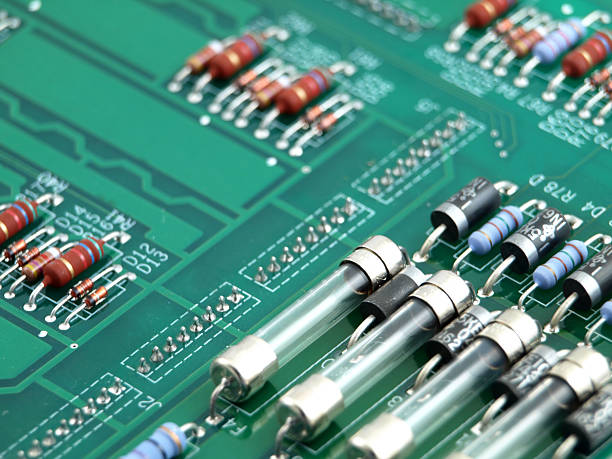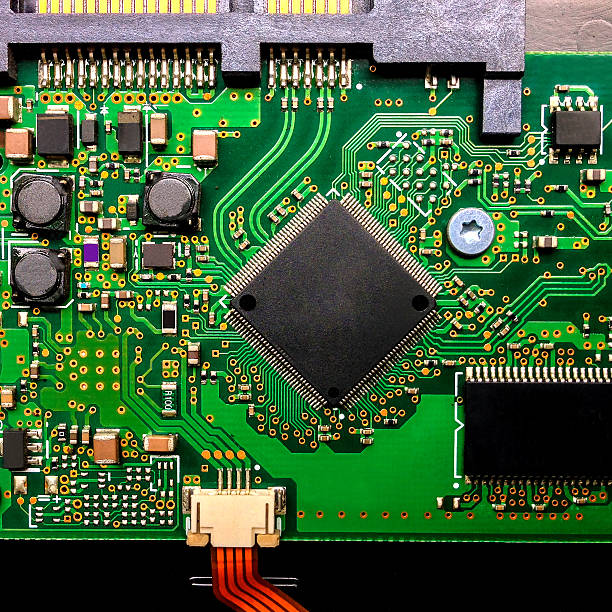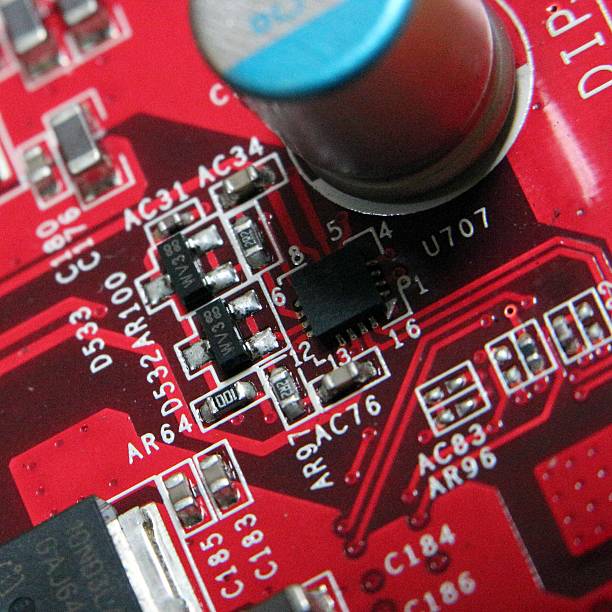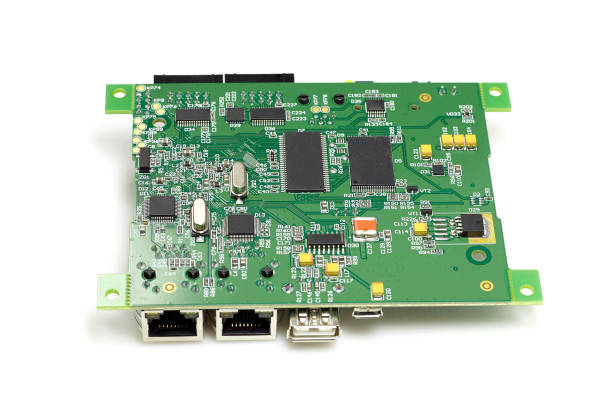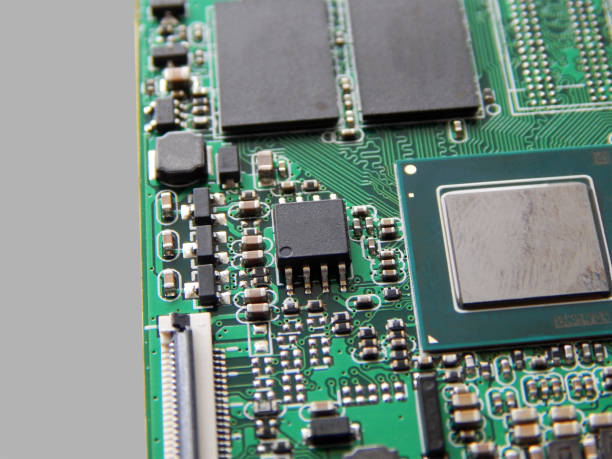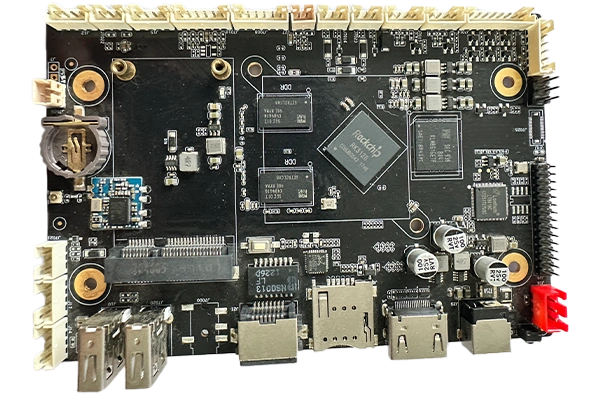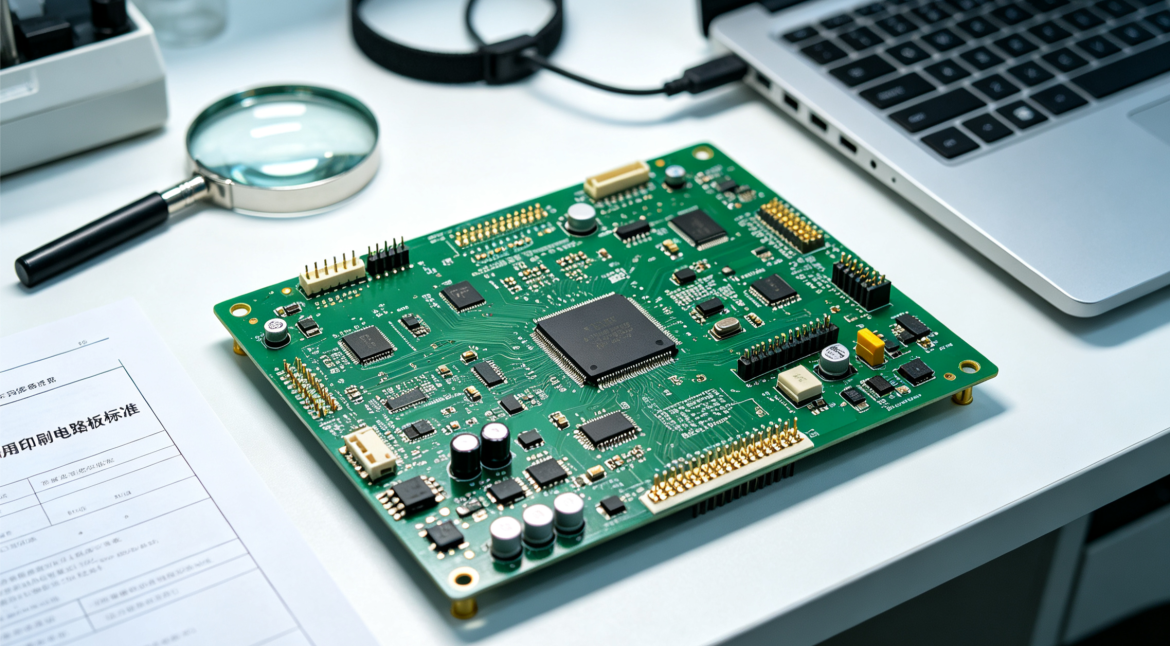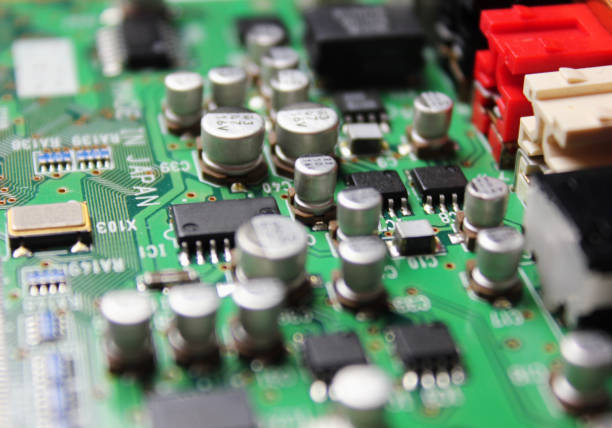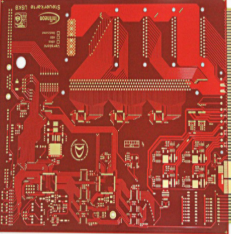
7 Common SMT PCB Assembly Mistakes Engineers Should Avoid In modern electronics manufacturing, SMT PCB Assembly plays a critical role in determining the reliability, performance, and service life of electronic products. Although surface mount technology has become highly automated, seemingly minor process errors can still result in soldering defects,…
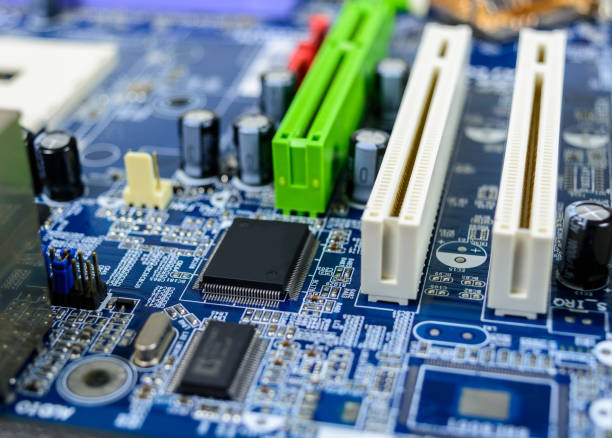
PCB Layout: How to Place and Install Decoupling Capacitors In high-speed electronic systems, power supply stability has a direct impact on circuit performance. Digital devices can generate short-duration current spikes when their output states change rapidly. If the power distribution network cannot provide this transient current quickly enough, the…
PCB Design: How to Reduce Errors and Improve Efficiency PCB design is a critical but time-consuming engineering task. Even a small design error can require engineers to inspect individual nets, components, and connections throughout an entire circuit. As PCB designs become more complex, maintaining accuracy and consistency becomes increasingly…
Essential PCB Design Basics Every Engineer Should Know A reliable printed circuit board starts with a solid understanding of fundamental design principles. PCB design is not simply about connecting components with traces. Layer stack-up, power distribution, grounding, signal return paths, component placement, routing, and manufacturing requirements must all work…
How to Solve EMI Problems in Multilayer PCB Design Electromagnetic interference (EMI) is a common challenge in high-speed and multilayer PCB design. EMI can originate from power distribution networks, high-speed signal transitions, poor return paths, excessive loop areas, and inappropriate layer stack-up. Modern EMI mitigation can involve shielding materials,…
14 Key Characteristics of a High-Reliability PCB At first glance, PCBs can look very similar regardless of their actual quality. However, differences in materials, manufacturing processes, dimensional control, surface treatment, and inspection can have a major impact on the board’s reliability throughout its service life. A PCB must maintain…
Best 6-Layer PCB Stackup for High-Speed Circuit Boards A six-layer PCB is widely used in embedded systems, industrial electronics, communication equipment, and other products that require a balance between routing density, signal integrity, power distribution, and manufacturing cost. For a High-Speed PCB, however, simply adding six copper layers does…
How to Output Gerber Files Correctly: A Complete Guide for PCB Engineers When a PCB design is completed, the design files must be converted into production-ready manufacturing data before the board can be fabricated. Among all manufacturing data formats, Gerber Files remain one of the most widely used formats…
How to Export PADS Gerber file: Complete PCB Guide Why Correct Gerber File Export Matters Gerber files are the primary manufacturing data used to convert a PCB design into physical circuit boards. Even when the PCB layout itself is correct, an incorrect or incomplete Gerber output can cause missing…
Multilayer PCB Impedance Routing Guidelines: Practical Differential Pair Design Tips Why Impedance Routing Matters in Multilayer PCB Design Smartphones, computers, high-definition displays, and other high-speed electronic devices all rely on PCBs to transmit increasingly large amounts of digital data. As signal speeds increase, maintaining controlled impedance becomes an essential…