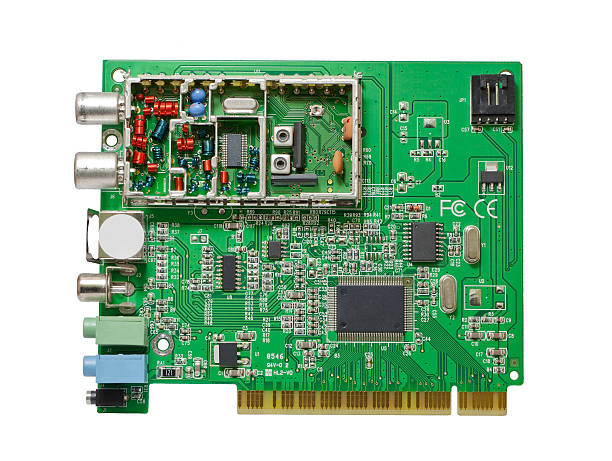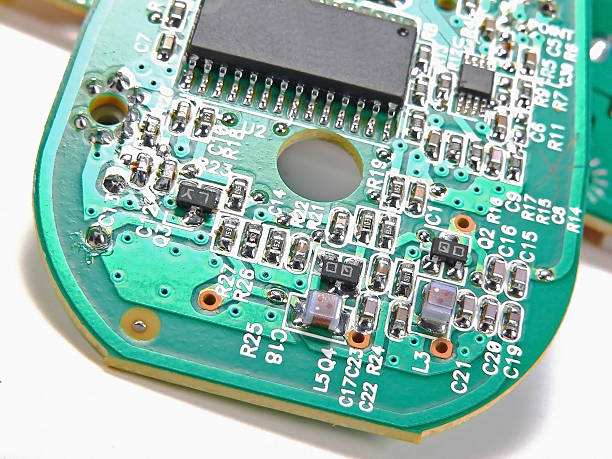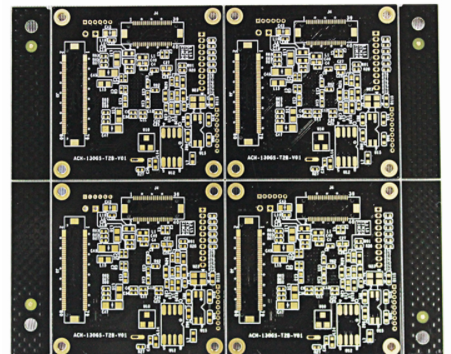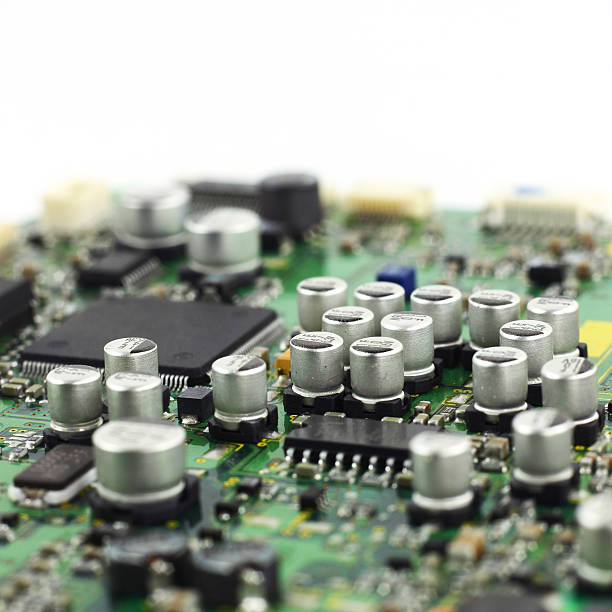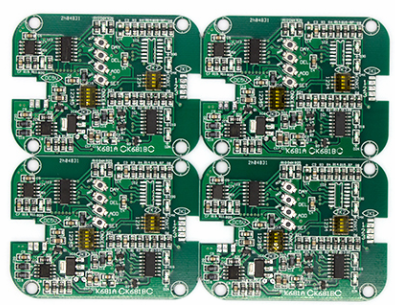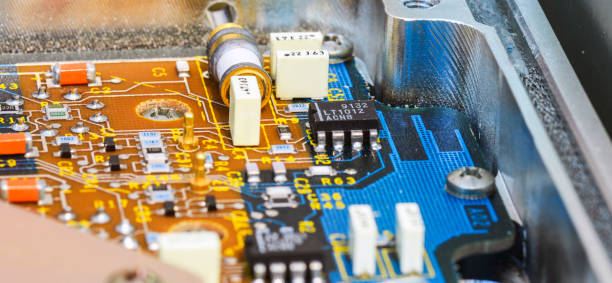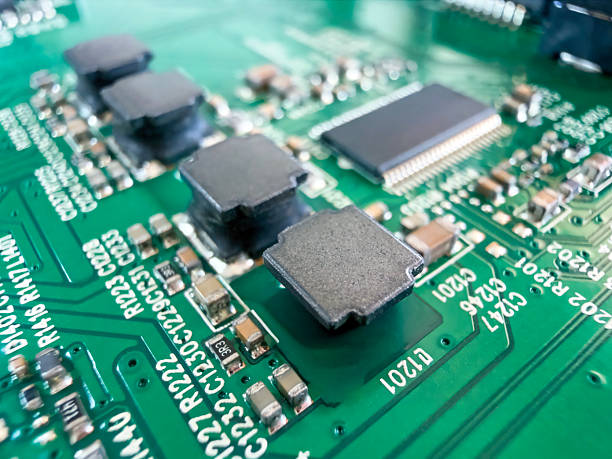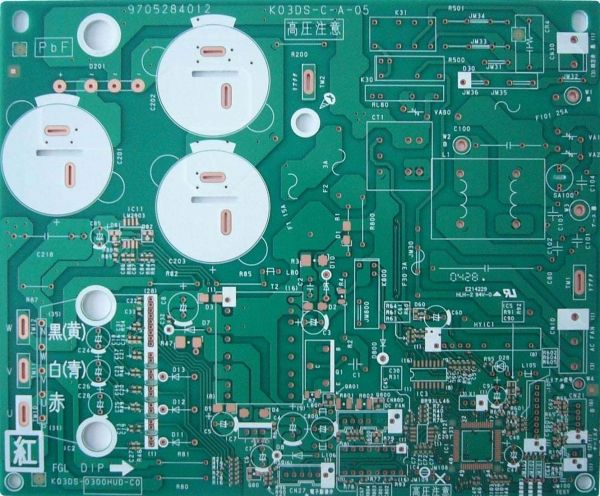
PCB Cleaning is an essential part of the PCB Manufacturing Process. During PCB fabrication, boards pass through multiple manufacturing stages that can leave behind dust, oxides, drilling residues, oil, fingerprints, metal particles, and other contaminants. Proper cleaning is therefore critical for maintaining surface cleanliness, improving coating and plating adhesion, preventing…
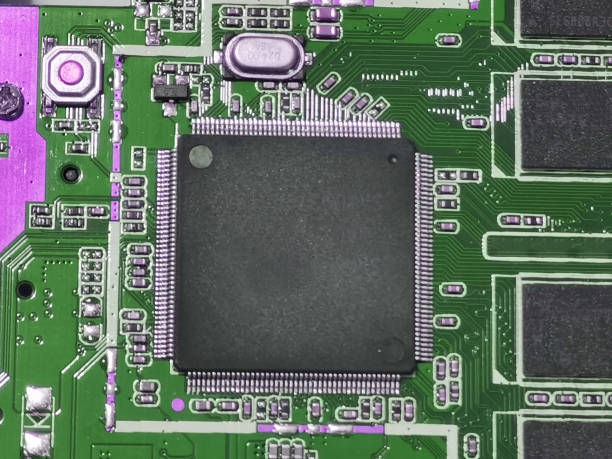
Online vs Offline AOI Inspection in PCB Assembly In modern electronics manufacturing, inspection is an essential part of maintaining consistent assembly quality. AOI Inspection (Automated Optical Inspection) is widely used to identify component placement and soldering defects during PCB assembly. The same discipline applies to AOI Inspection, where a…
SMT PCB Assembly to DIP Quality Control: Complete Guide In electronics manufacturing, consistent quality depends on much more than a single inspection step. A small placement error during SMT or an incomplete solder joint during DIP assembly can lead to electrical failures, rework, production delays, and even field failures.…
PCBA Soldering Problems: 6 Common Causes and Practical Solutions Poor solderability is one of the most common problems encountered during PCBA Soldering. When solder does not properly wet a PCB pad or component lead, the result may be an open circuit, weak solder joint, intermittent connection, or complete assembly…
Lead-Free Soldering in PCBA: Complete GuideLead As environmental regulations continue to influence electronics manufacturing, soldering technology has undergone a major transformation. Lead-Free Soldering has become the standard choice for many electronic products, while leaded solder remains relevant in specific applications where its processing characteristics and reliability advantages are important.…
PCBA Production vs SMT Assembly: From Component Placement to Complete Electronics Manufacturing In modern electronics manufacturing, PCBA Production and SMT Assembly are often used interchangeably, but they actually describe different levels of the manufacturing process. SMT is a critical assembly technology used to mount surface-mount components onto a printed…
Wave Soldering vs Selective Soldering: Which PCB Assembly Process Is Best? In modern PCB Assembly, soldering technology directly affects solder joint quality, production efficiency, manufacturing cost, and long-term product reliability. The same discipline applies to Wave Soldering, where a small process drift turns into a large yield loss. For through-hole…
Gerber Files for PCB Manufacturing: Complete Guide for PCB Assembly In the world of PCB Manufacturing, Gerber files are one of the most important data formats used to translate a PCB design into a physical circuit board. They contain the manufacturing information required to define copper patterns, solder mask, silkscreen,…
Key Processes in Through-Hole PCB Assembly: A Complete Guide Through-Hole PCB Assembly is an important manufacturing process for electronic products that require strong mechanical connections, high reliability, and durable solder joints. Unlike surface mount technology, through-hole technology (THT) installs component leads through drilled holes in a printed circuit board before…
PCBA Mainboard Explained: Key Components and Assembly Processes Modern electronic devices depend on increasingly complex circuit boards to process data, distribute power, control signals, and connect different functional modules. At the center of many of these products is the PCBA Mainboard, which combines a printed circuit board with electronic…