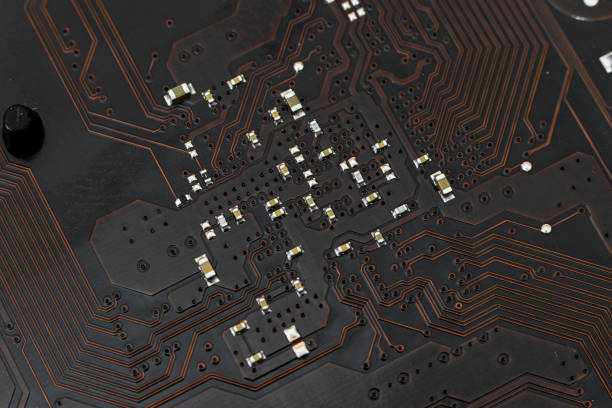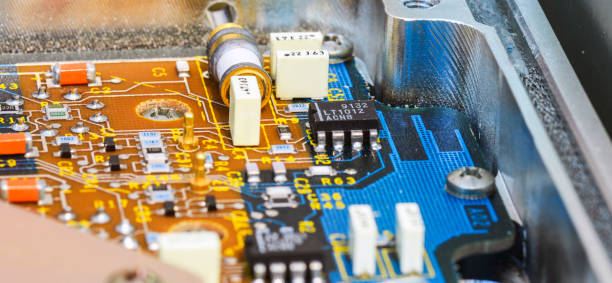
Durable PCB Solutions for Harsh Industrial Environments In complex industrial environments, PCBs serve as the core connection platform of electronic equipment and are often exposed to extreme conditions such as high temperatures, humidity, continuous vibration, and chemical corrosion. Standard circuit boards may experience performance degradation, electrical failures, or shortened service…
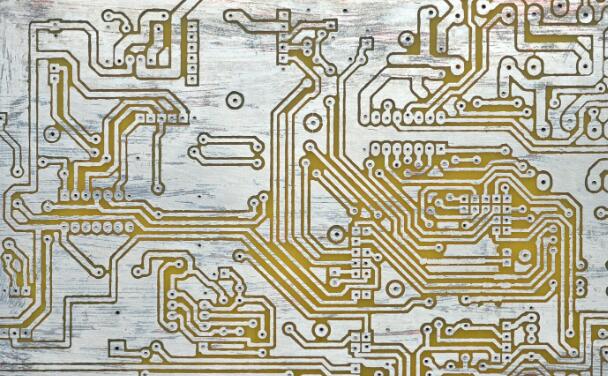
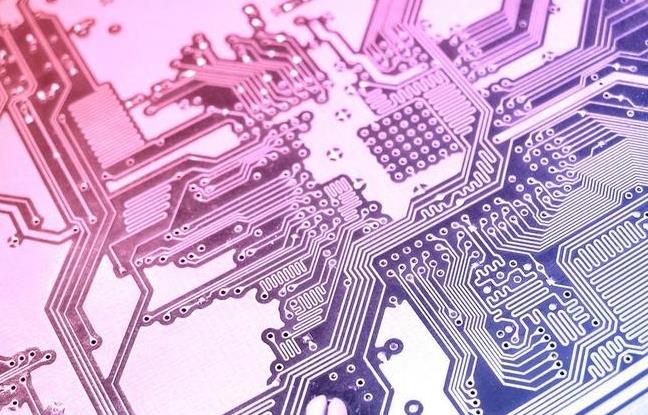
The process of transforming a copper-clad board into a functional circuit pattern is a critical stage in PCB Manufacturing. Modern circuit boards contain increasingly fine lines, smaller spacing, and more complex interconnections, making etching accuracy essential to the overall performance and reliability of the finished PCB. One of the most…
PCB Bulk Orders: Cost Advantages Through Mass Production Capacity and Transparent Pricing In the PCB industry, bulk orders have become an important choice for companies seeking cost reduction and supply stability due to their unique production characteristics and cooperation advantages. Compared with small-volume or scattered orders, PCB bulk orders…
Does the Color of PCB Solder Mask Ink Affect Performance? In PCB manufacturing, solder mask ink is an essential component that ensures the long-term stability and reliability of circuit boards. It covers the surface of the PCB to prevent solder from accidentally bridging non-soldering areas during assembly while also…
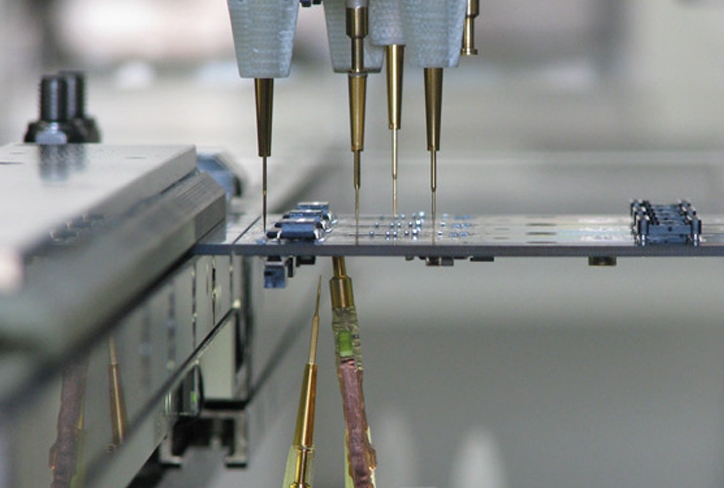
Flying Probe Testing is an advanced PCB Testing method developed to address the limitations of conventional electrical testing, particularly for prototypes, small-batch production, and complex high-density circuit boards. Instead of using a fixed bed-of-nails fixture, a flying probe tester uses multiple motor-driven probes that move rapidly and precisely across the…
Why Do RF PCBs Prefer Rogers Materials? In RF (Radio Frequency) hardware design, the choice of PCB substrate material directly affects signal performance, reliability, and overall system efficiency. Among various substrate options, Rogers PCB material has become one of the most preferred choices for demanding RF applications. This preference…
In modern electronics manufacturing, consistent PCB Quality Inspection is essential for ensuring electrical performance, dimensional accuracy, assembly compatibility, and long-term product reliability. As PCB structures become increasingly complex, manufacturers must apply systematic inspection criteria to substrates, copper conductors, plated holes, solder masks, surface finishes, silkscreens, board dimensions, and mechanical characteristics.…
10 PCB DFM Optimization Tips to Reduce PCB Manufacturing Costs In the PCB manufacturing process, PCB DFM optimization plays a critical role in controlling production costs and improving manufacturing efficiency. Proper Design for Manufacturability (DFM) adjustments can reduce material waste, simplify production processes, improve yield rates, and significantly lower overall…
In modern electronic products, PCB Design plays a critical role in component interconnection and system integration. As electronic components become smaller and packaging density continues to increase, the requirements for Printed Circuit Boards (PCBs) have also become more demanding. The development of PCB technology has progressed from single-sided and double-sided…
High Stability Image Processing PCB: Ensuring Reliable Performance for Advanced Imaging Applications In modern imaging applications, from industrial vision inspection and medical imaging systems to security monitoring equipment, the demand for higher image quality and signal accuracy continues to increase. A high-performance Image Processing PCB serves as the critical…