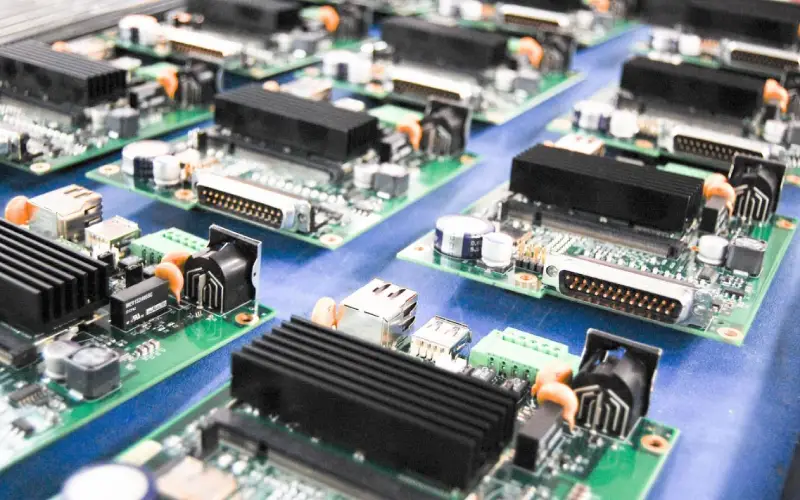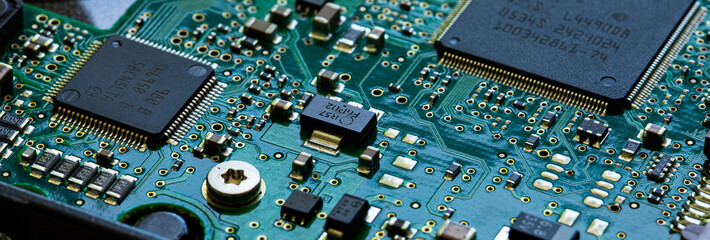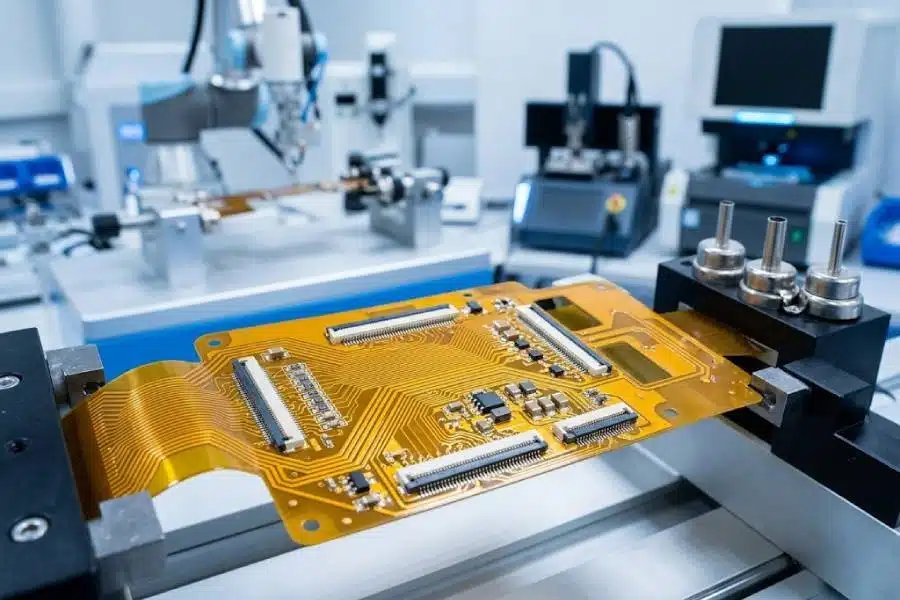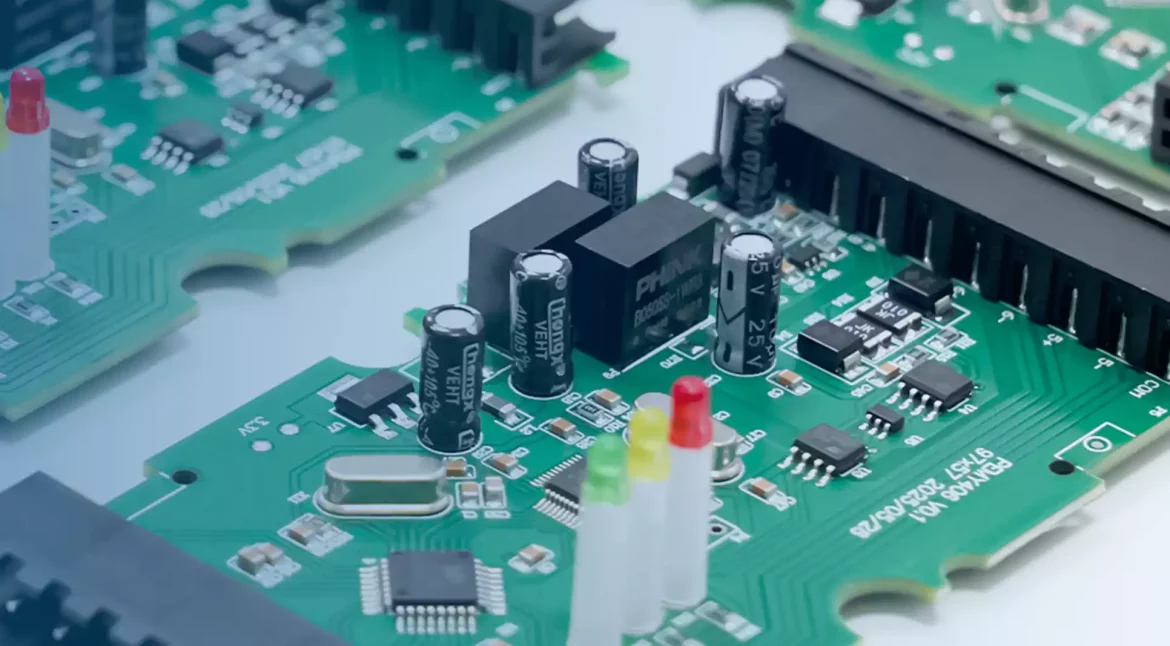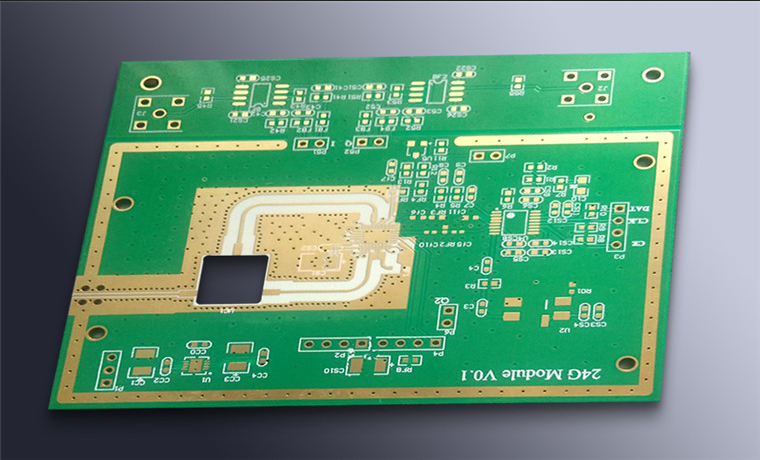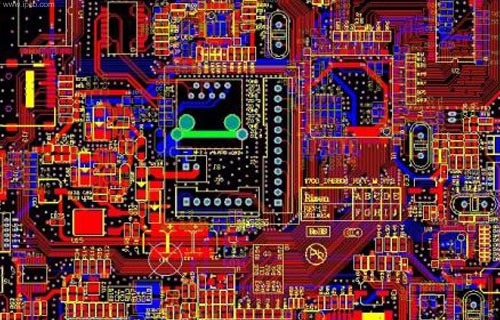
Medical PCB Manufacturing Diagnostic Equipment Precision & Reliability Medical diagnostic equipment—including CT scanners, MRI systems, ultrasound equipment, biochemical analyzers, patient monitoring systems, and laboratory instruments—depends on highly reliable electronic systems to deliver consistent performance. At the center of these systems is the Medical PCB, which provides the electrical interconnection…
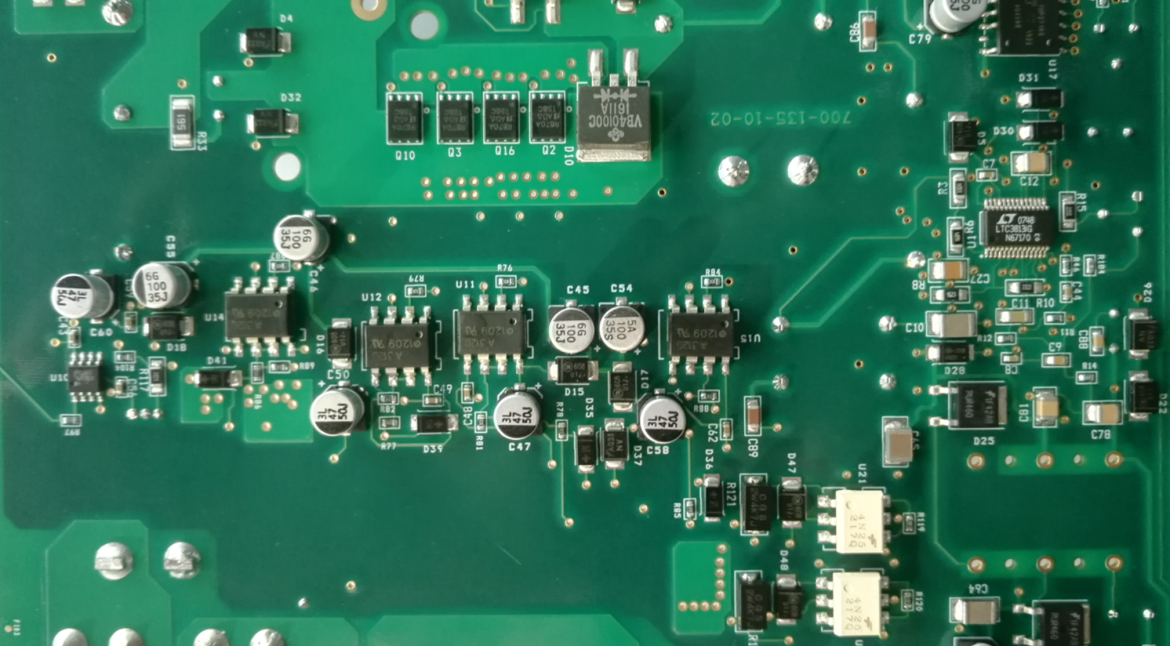
Multilayer PCB Lamination Process: How to Achieve Precise Layer Alignment and Void-Free Boards The lamination process is one of the most critical stages in Multilayer PCB manufacturing. It combines inner-layer circuits, prepreg materials, copper foils, and other structural materials into a single multilayer board through controlled temperature and pressure.…
Automotive Sensor PCB Manufacturing: Materials, Processes & Quality Control Automotive sensors act as critical sensing components within modern vehicles. They continuously collect information related to temperature, pressure, position, speed, acceleration, environmental conditions, and vehicle operating status. Their performance directly affects powertrain control, driver assistance, safety systems, and vehicle intelligence. At…
PCB Traces, Through Vias, Blind Vias and Buried Vias Explained In modern electronic systems, a PCB serves as a precision platform for electrical interconnection, signal transmission, power distribution, and component integration. Although a circuit board may appear to be a simple flat structure, its internal electrical network can be…
How to Choose the Right PCB Surface Finish for Your Project The primary purpose of a PCB Surface Finish is to protect exposed copper, maintain reliable solderability and electrical performance, and improve the long-term stability of the circuit board. Choosing the right finish requires more than simply comparing prices.…
Heavy Copper PCB Prototyping for Industrial Power Boards Industrial control systems depend on stable and efficient power distribution. In these applications, the PCB is not simply a carrier for electronic components—it is a critical part of the power architecture. As current loads, operating temperatures, and reliability requirements continue to increase,…
High Railway PCB Manufacturing for Railway Control Systems Rail transportation depends on electronic systems that must operate continuously and reliably under demanding environmental and operational conditions. From high-speed rail to metro networks, railway signaling and control systems perform critical functions including train monitoring, communication, speed control, route management, and safety…
Railway Signal PCB: High-Reliability PCB Solutions for Rail Transit Systems Rail transportation is a critical part of modern urban and intercity mobility, and operational safety depends heavily on reliable signaling and control systems. As the physical platform for signal acquisition, processing, communication, and control, the PCB plays an essential role…
High Railway Signaling PCB for Reliability PCB Rail transportation is a critical part of modern urban and intercity infrastructure, where operational safety and efficiency depend heavily on reliable signaling systems. From train detection and speed monitoring to route control and communication, railway signaling equipment must process and transmit data…
Rail Transit PCB for Reliable Train Door Control Systems Railway doors are a critical interface between passengers and the train. Their reliable operation directly affects passenger safety, transportation efficiency, and overall travel experience. Behind the precise opening and closing of train doors, real-time status monitoring, fault detection, and emergency control…