High-Volume PCB Assembly

High-Volume PCB Assembly: Process, Benefits, Applications, and Supplier Selection

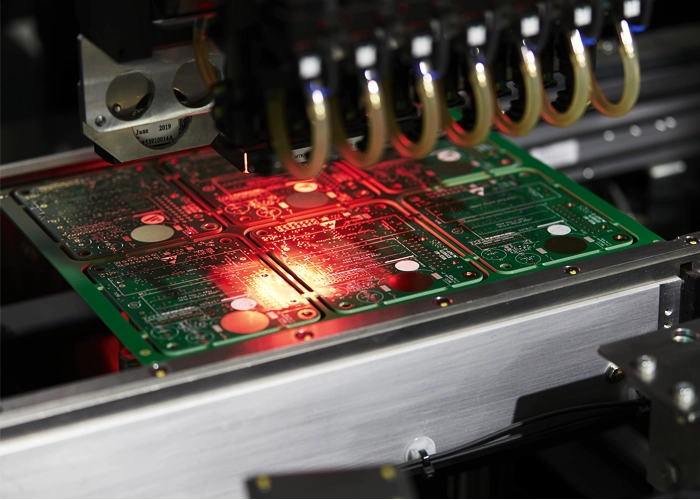
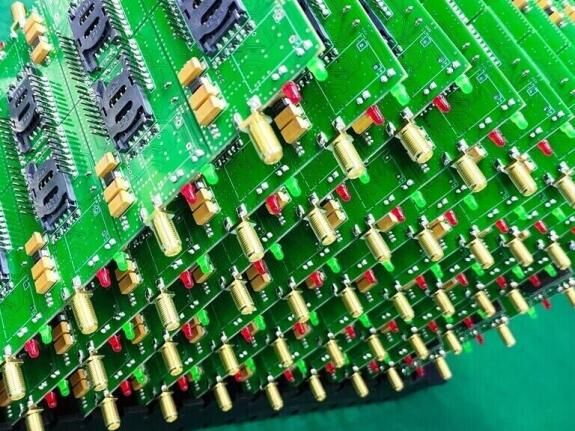
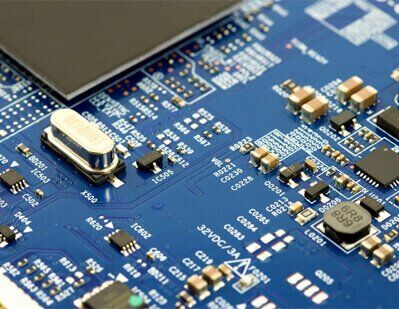
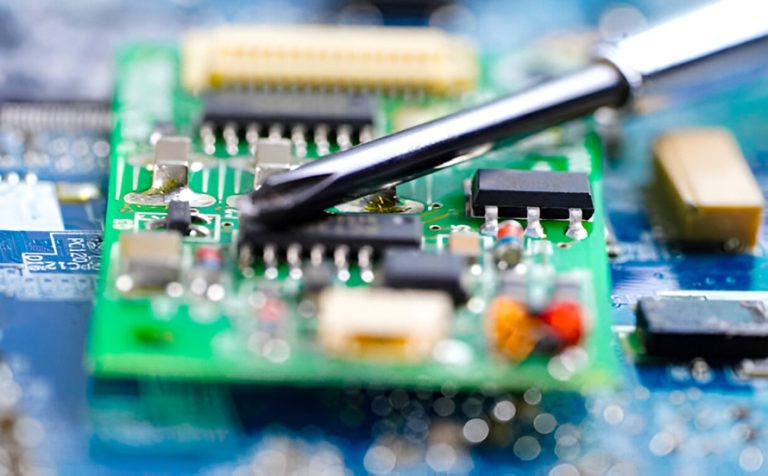
High-Volume PCB Assembly refers to the production of large quantities of assembled printed circuit boards using highly controlled and repeatable manufacturing processes. There is no universal production quantity that officially defines high-volume PCB assembly. Depending on the manufacturer, industry, and product type, high-volume production may range from several thousand units…
SMD vs Through-Hole Components

SMD vs Through-Hole Components: Differences, Applications, Applications, and Selection Guide

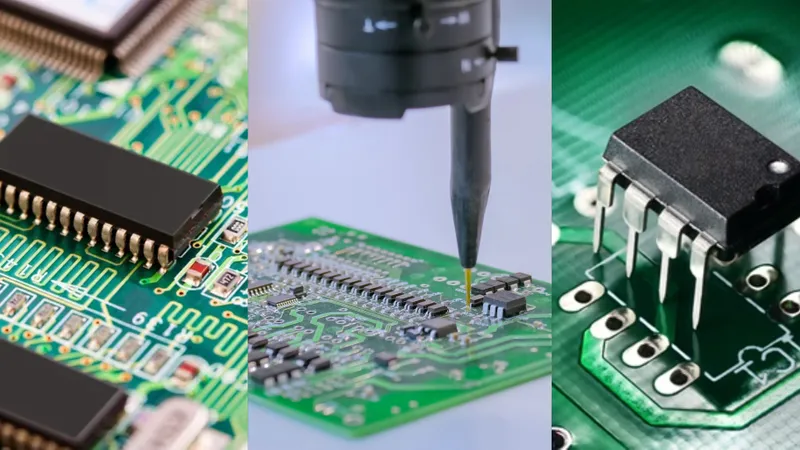
Electronic components are available in a wide range of sizes, shapes, packages, and electrical specifications. Even the same type of integrated circuit (IC) can be manufactured in several package configurations to meet different electrical, mechanical, thermal, and assembly requirements. When designing a printed circuit board (PCB), two major component mounting…

I-Tera MT40 PCB: PCB Design, PCB Manufacturing & High-Speed Applications

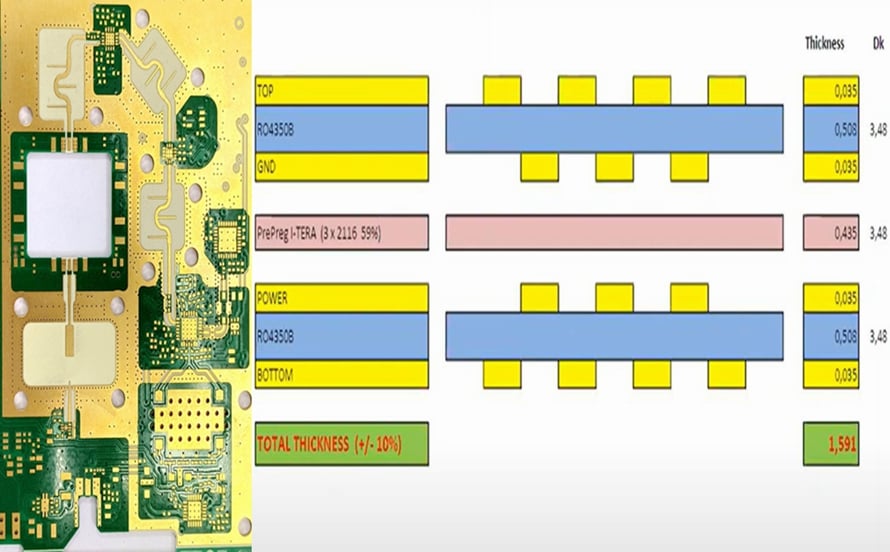
I-Tera MT40 PCB: PCB Design, PCB Manufacturing, High-Speed & RF Applications As electronic systems continue to demand higher data rates, greater efficiency, lower signal loss, and improved reliability, advanced PCB materials have become increasingly important. Conventional FR-4 materials remain suitable for a wide range of applications, but demanding high-speed digital,…
Surface Mount Technology (SMT)

Surface Mount Technology (SMT): Complete Guide to SMT PCB Assembly

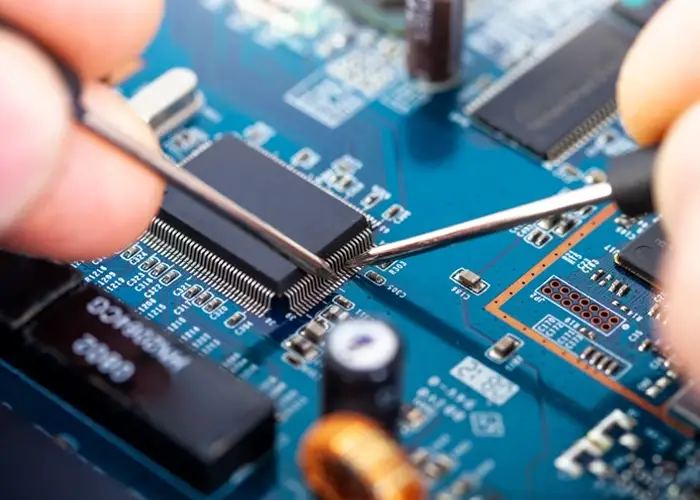
Surface Mount Technology (SMT) has become the dominant technology in modern PCB assembly, enabling manufacturers to build smaller, lighter, faster, and more reliable electronic products. Unlike traditional Through-Hole Technology (THT), SMT mounts components directly onto the surface of a printed circuit board (PCB), eliminating the need for most component lead…
Low-Volume PCB Assembly

Low-Volume PCB Assembly: Benefits, Process, Applications, and Supplier Selection

When developing a new electronic product, it is often difficult to identify every design or manufacturing issue before physical hardware is built. Producing a small number of assembled boards allows engineers to verify the design, evaluate component performance, identify manufacturing problems, and make improvements before committing to larger production volumes.…