PCB Design

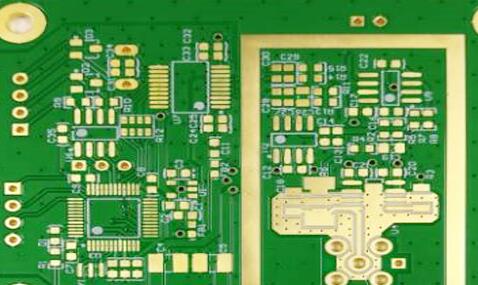
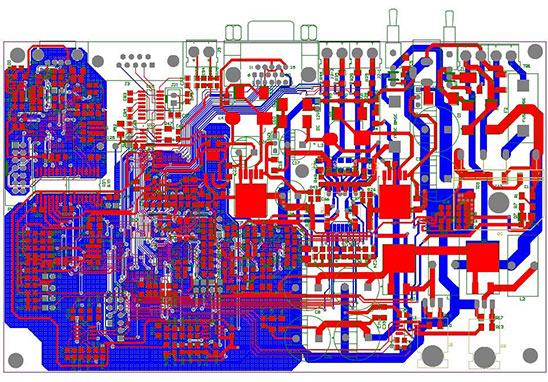
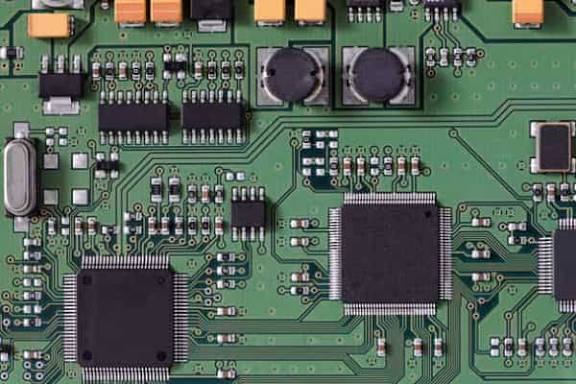
PCB Thermal Management: Causes of PCB Heating and Effective Cooling Solutions

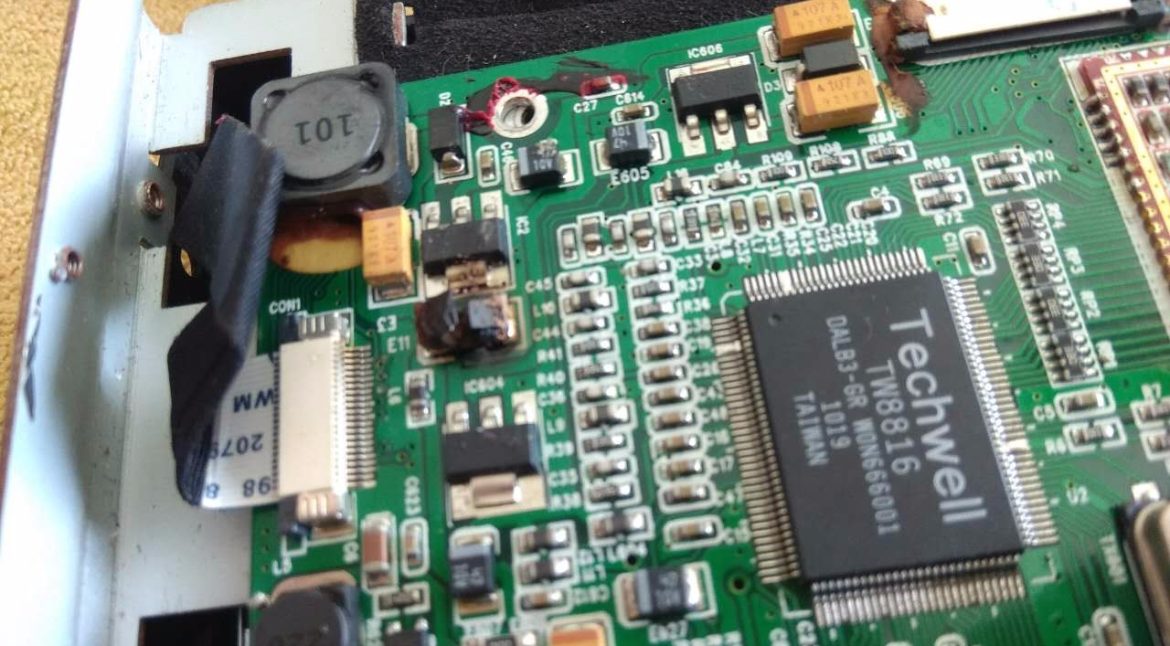
Electronic equipment inevitably generates heat during operation. As electrical current flows through components, copper traces, vias, power devices, and other structures, part of the electrical energy is converted into heat. If this heat cannot be transferred away efficiently, the temperature of the PCB and surrounding components will gradually increase. Excessive…
Mixed-Signal PCB Design

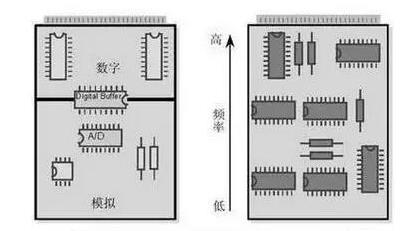
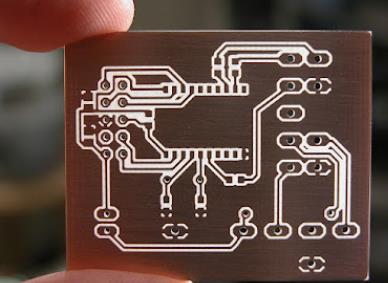
Mixed-Signal PCB Design: Noise Control, Crosstalk and Layout Strategies

Designing a mixed-signal PCB requires a clear understanding of how analog and digital circuits interact. Unlike a purely digital or purely analog board, a mixed-signal PCB contains circuits with very different noise tolerances, signal characteristics, return-current behavior, and electromagnetic coupling mechanisms. A successful Mixed-Signal PCB Design therefore cannot rely on…
PCB Manufacturing

PCB Via Hole Plugging: Processes, Benefits and Manufacturing Guide

As electronic products continue to become thinner, smaller, lighter, and more highly integrated, printed circuit boards require increasingly sophisticated manufacturing processes. High-density interconnect structures, fine-pitch components, BGA packages, and advanced SMT assembly have created higher requirements for PCB Manufacturing, particularly for via protection, solder mask control, surface flatness, and solderability.…
PCB Manufacturing

PCB Copper Plating: Process, Benefits and Manufacturing Guide

Copper plating is one of the most important processes in PCB Manufacturing. It provides the conductive copper required for circuit formation, through-hole interconnection, and reliable electrical connections between PCB layers. A properly controlled copper plating process also contributes to mechanical strength, solderability, and long-term PCB Reliability. In modern PCB production,…
PCB Design

Multilayer Rigid-Flex PCB: Structure, Materials, Benefits and Manufacturing Guide

As electronic products continue to become smaller, lighter, and more highly integrated, conventional rigid circuit boards are sometimes unable to provide enough flexibility for complex mechanical structures. At the same time, using separate rigid and flexible circuit boards can increase connectors, assembly steps, and potential points of failure. A Multilayer…
PCB Impedance Matching

PCB Impedance Matching: Series Termination, Parallel Termination and Zero-Ohm Resistors

In modern PCB Design, signal integrity becomes increasingly important as interfaces operate at higher data rates and devices use faster signal edges. When a PCB trace behaves as a transmission line, impedance discontinuities can cause reflections, ringing, overshoot, undershoot, and timing uncertainty. One of the techniques used to control these…