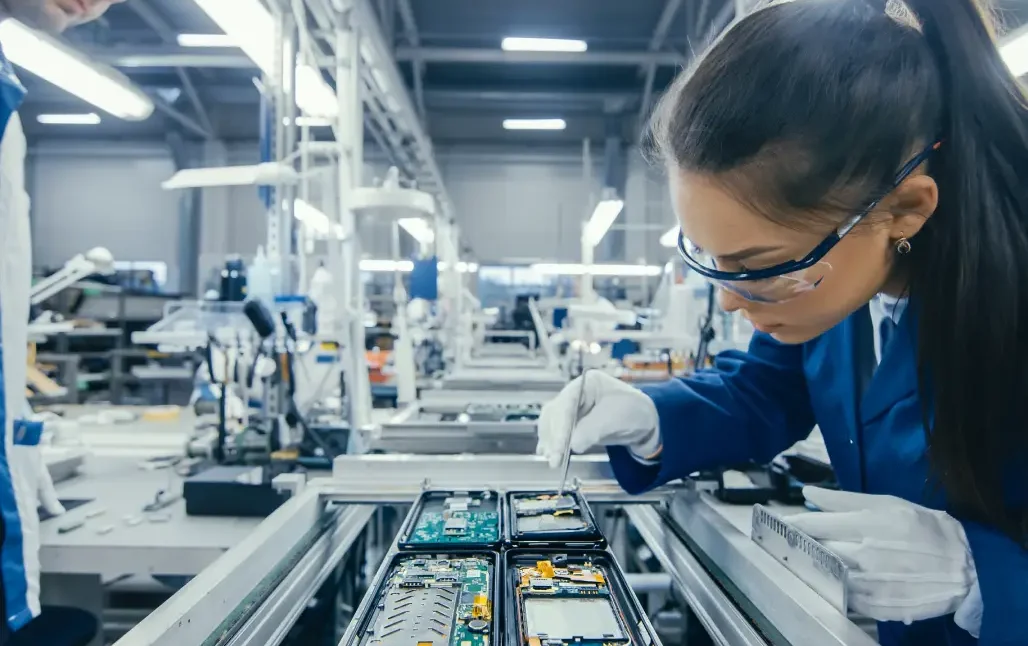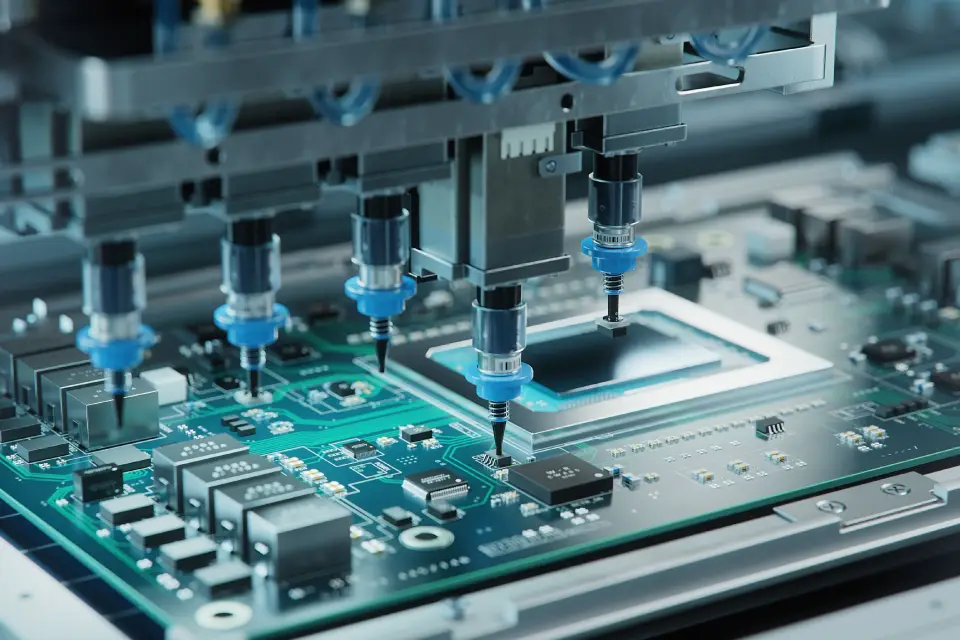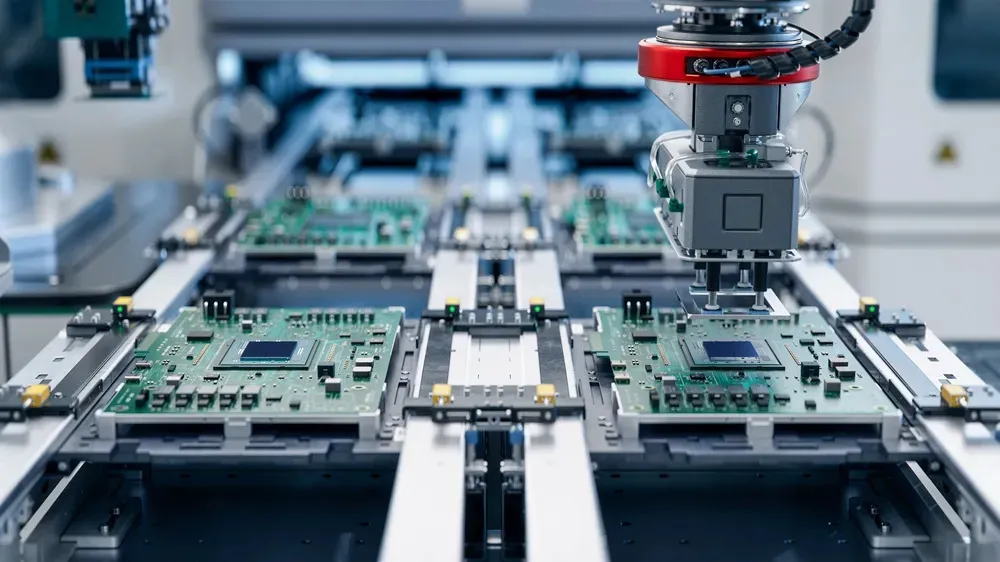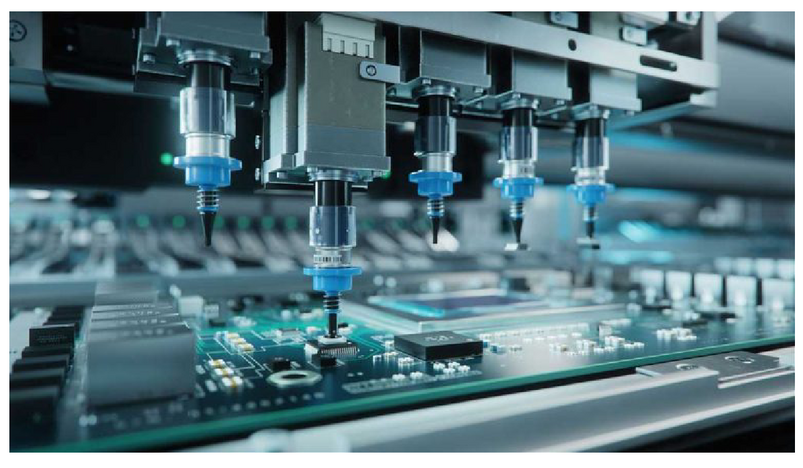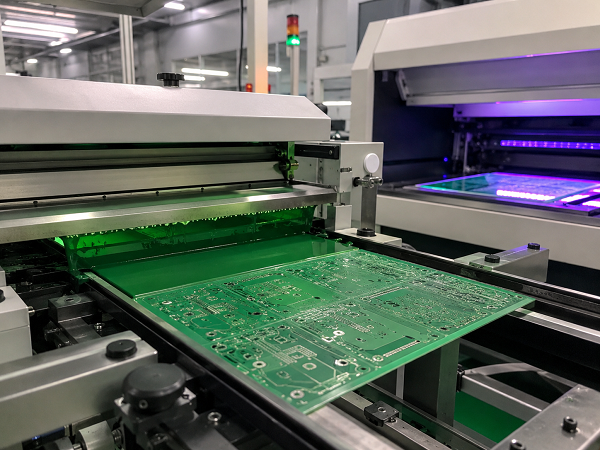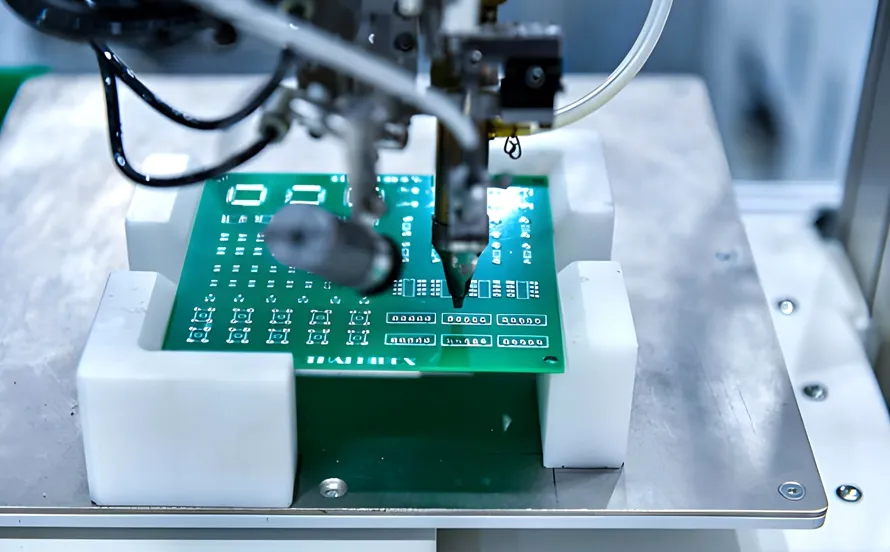
Consignment PCB Assembly: A Complete Guide Printed circuit board assemblies (PCBAs) have become the foundation of modern electronic products across consumer electronics, automotive systems, industrial automation, telecommunications, medical equipment, aerospace, and many other industries. A PCB assembly (PCBA) is created by mounting electronic components onto a printed circuit board (PCB)…
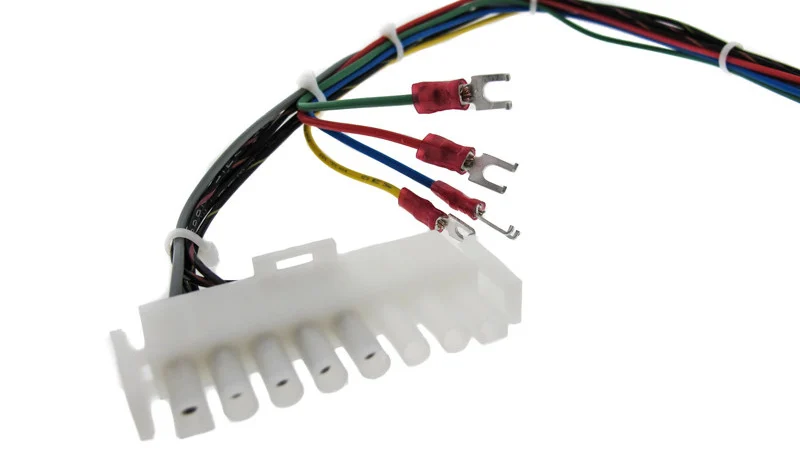
Cable Assembly: Types, Manufacturing Process, Materials, Applications, and Selection Guide Connectivity is essential for the reliable operation of almost every modern electronic and electrical system. In general, a system requires two fundamental types of connections: power connections and data connections. While power enables equipment to operate, data connections allow devices,…
What Is Electro-Mechanical Assembly? Before modern electrical and electronic components were developed, engineers relied primarily on mechanical systems based on established principles of physics and mechanics. As technology evolved, mechanical structures began to work together with electrical and electronic systems, creating increasingly sophisticated and automated products. Electro-mechanical assembly is the…
IC Programming Services: Applications, Firmware Loading, Challenges, and Selection Guide IC programming is an essential manufacturing process for converting blank programmable semiconductor devices into functional electronic components. It involves writing firmware, configuration data, calibration parameters, security credentials, or other application-specific information into programmable memory within an integrated circuit. Today, IC…
PCB assembly is one of the most important stages in modern electronics manufacturing. It transforms a bare printed circuit board into a functional electronic assembly by accurately mounting and soldering electronic components such as resistors, capacitors, diodes, integrated circuits, connectors, and power devices. As electronic products become smaller, faster, and…
Electronic assembly is one of the most important stages in modern electronics manufacturing. It transforms a bare printed circuit board (PCB) into a functional electronic assembly by accurately mounting and soldering components such as resistors, capacitors, diodes, integrated circuits, connectors, sensors, and power devices. From smartphones and consumer electronics to…
Industrial automation is fundamentally changing modern manufacturing. Robotics, programmable logic controllers, machine vision, sensors, motor drives, industrial computers, communication gateways, and human-machine interfaces are enabling factories to become faster, more precise, connected, and intelligent. At the center of these systems are printed circuit boards (PCBs). PCBs provide the physical and…
The electronics industry is moving toward smaller products, higher component density, shorter production cycles, and increasingly demanding reliability requirements. As these pressures continue to grow, traditional manual manufacturing methods are no longer sufficient for many modern electronic products. This transformation has accelerated the adoption of PCB assembly automation, robotics in…
The global electronics industry is undergoing a major transformation as manufacturers face increasing pressure to improve environmental performance without sacrificing electrical performance, reliability, or production efficiency. Printed circuit boards (PCBs), which form the foundation of modern electronic products, are at the center of this transition. From smartphones, electric vehicles, and…
As electronics become deeply integrated into transportation, healthcare, communications, industrial automation, artificial intelligence, and consumer products, the environmental impact of electronics manufacturing is receiving greater attention. Printed circuit boards (PCBs) are fundamental to almost every electronic system, but conventional PCB manufacturing involves materials, chemicals, water, and energy-intensive processes. As a…