Flex PCB Assembly: Process, Materials, Benefits, Standards, Applications, and How to Choose a Manufacturer

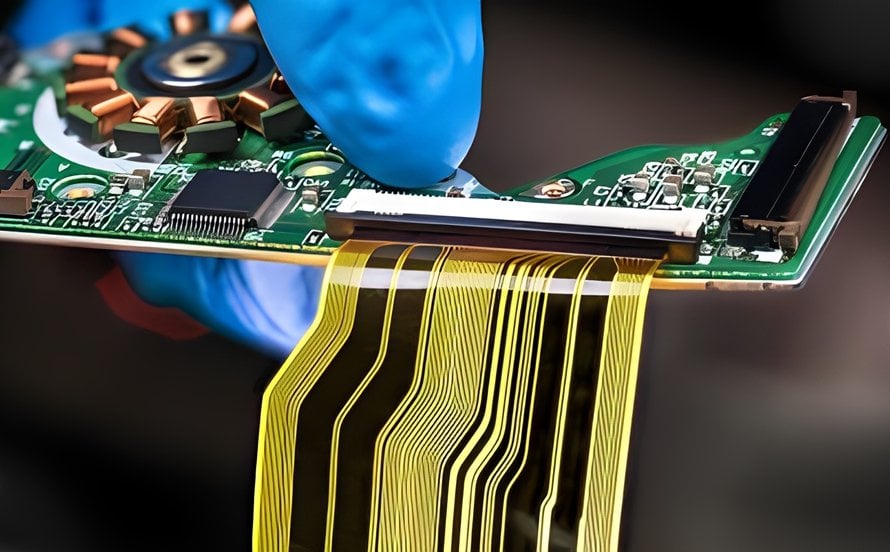
As electronic products become thinner, lighter, smaller, and more highly integrated, conventional rigid circuit boards are not always sufficient to meet modern packaging requirements. Flexible PCB assembly, also known as Flex PCB Assembly or FPC Assembly, provides an effective solution by combining electrical functionality with mechanical flexibility. A flexible circuit…
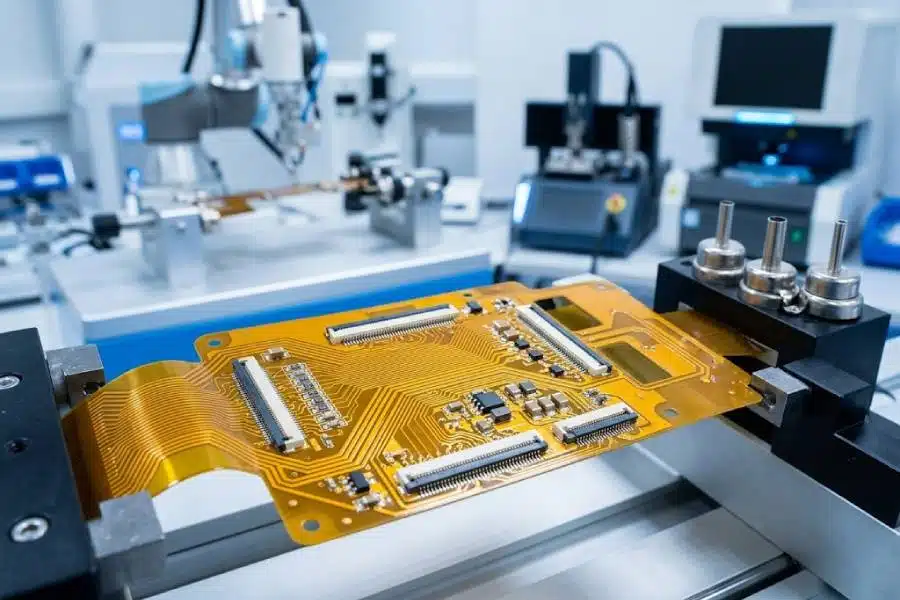
Flex PCB Assembly: Process, Types, Applications, Advantages, and Kingda Manufacturing Solutions

The rapid development of compact, lightweight, and highly integrated electronic products has increased demand for Flex PCB Assembly. Unlike conventional rigid circuit boards, Flexible PCBs (FPCs) can bend, fold, and conform to complex mechanical structures, allowing engineers to integrate electronic circuits into spaces that would be difficult or impossible to…

Quick-Turn PCB: Lead Times, Manufacturing Process, Benefits, Costs, and Applications

In electronics manufacturing, development schedules are becoming increasingly demanding. Engineers and product developers often need functional hardware within days rather than weeks to validate a design, identify potential problems, and keep a project on schedule. This is where Quick-Turn PCB manufacturing becomes especially valuable. A Quick-Turn PCB is manufactured and…

9 Best Low-Cost PCB Manufacturers: Affordable PCB Manufacturing Without Compromising Quality

Finding a reliable low-cost PCB manufacturer is essential for companies looking to control electronics manufacturing costs while maintaining consistent quality, reliability, and delivery performance. Whether you are developing prototypes, producing small batches, or preparing for high-volume production, the right PCB supplier can significantly reduce total manufacturing costs. However, choosing a…

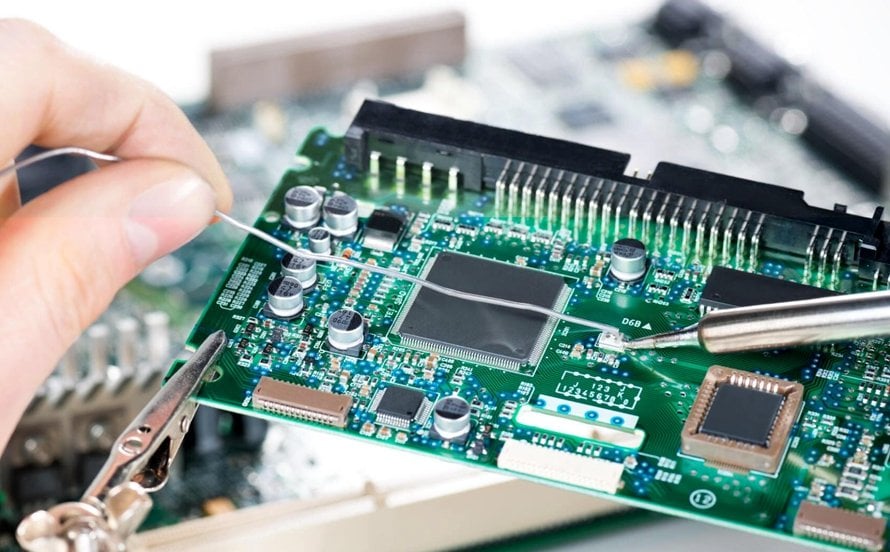
Low Cost PCB Assembly: How to Reduce Costs Without Compromising Quality

In electronics manufacturing, balancing performance, reliability, and production cost is a constant challenge. Low cost PCB assembly does not mean sacrificing quality or using inferior materials. Instead, it focuses on making smarter decisions throughout the entire manufacturing process, from PCB design and component selection to assembly, testing, and supply chain…

Automotive PCB: Definition, Types, Manufacturing Process, Standards and Applications

As modern vehicles become increasingly connected, electrified, and intelligent, automotive PCBs (Printed Circuit Boards) have become a critical foundation for automotive electronic systems. From engine control units (ECUs) and battery management systems (BMS) to advanced driver-assistance systems (ADAS), infotainment, sensors, and vehicle networking, PCBs provide the electrical interconnection and mechanical…

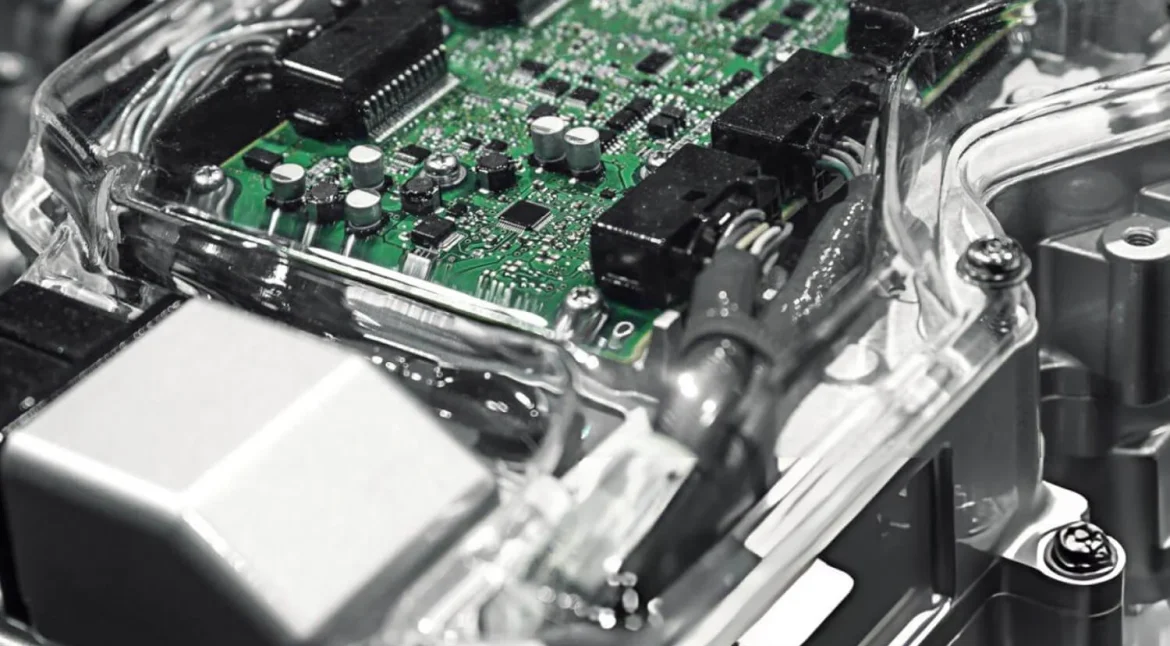
Automotive PCB Assembly: Key Considerations, Technologies, Challenges and Solutions

Over the past decade, the automotive industry has undergone a significant transformation, driven largely by rapid advances in electronics and intelligent vehicle technologies. From electric powertrains and battery management systems to advanced driver assistance systems (ADAS), infotainment, connectivity, and vehicle control systems, electronics now account for an increasingly important share…

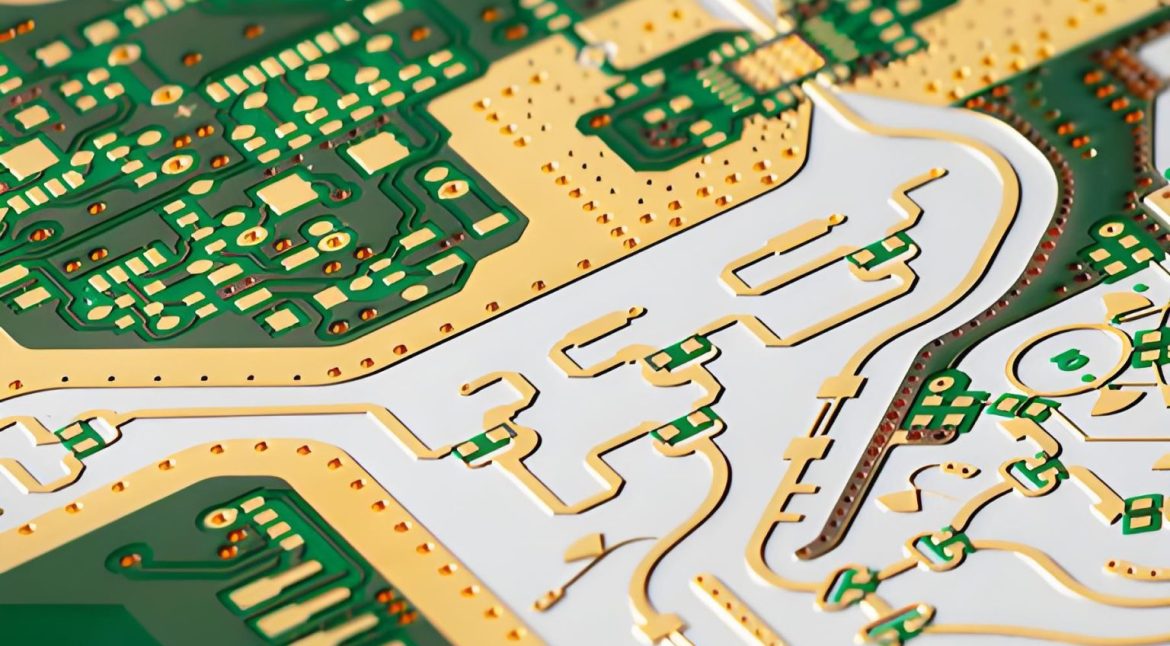
RF PCB Design Guide: Principles, Layout, Materials, and Manufacturing Best Practices

RF PCB Design Guide: Principles, Layout, Materials, and Manufacturing Best Practices When electronic systems operate at high frequencies, conventional PCB design methods are often not sufficient. High-frequency applications require careful control of signal integrity, impedance, grounding, material properties, component placement, and transmission-line geometry. An RF PCB is specifically designed to…

Manual vs. Automated PCBA Cleaning: Methods, Benefits, and Best Practices

Manual vs. Automated PCBA Cleaning: Methods, Benefits, and Best Practices Choosing the right PCBA cleaning method is an important part of maintaining the quality, reliability, and long-term performance of electronic assemblies. Depending on production volume, PCB complexity, contamination type, equipment investment, and quality requirements, manufacturers may choose between manual cleaning…

RoHS Compliance for PCB Design: Requirements, Materials, and Compliance Checklist

As electronic products become increasingly sophisticated, RoHS compliance has become an essential consideration in modern PCB design and PCB manufacturing. From consumer electronics and industrial equipment to automotive, medical, telecommunications, and other high-reliability applications, manufacturers must increasingly consider environmental regulations and material safety throughout the product development process. RoHS stands…