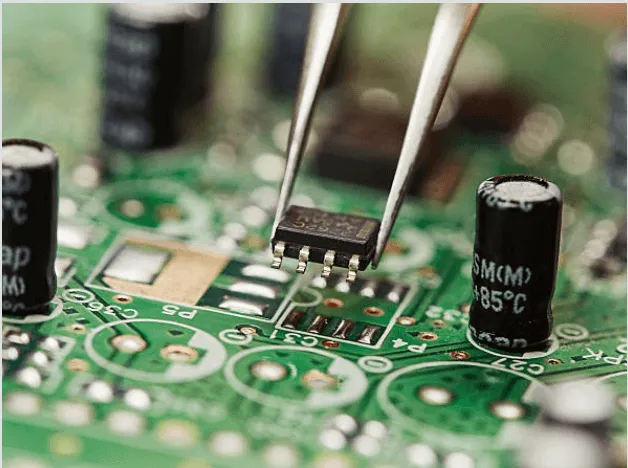
PCB Assembly

2026 DIP PCB Assembly Price Guide | Cost Factors & Global Comparison

2026 DIP PCB Assembly Price: Complete Cost Guide & Global Comparison In the rapidly evolving electronics manufacturing industry, DIP PCB assembly pricing has become a key concern for OEM companies, electronics developers, and procurement engineers. For global OEM customers, understanding DIP PCB assembly costs not only helps control manufacturing budgets…
Multilayer PCB

PCB Manufacturing Process and Reliability Design: From Fabrication to Grounding

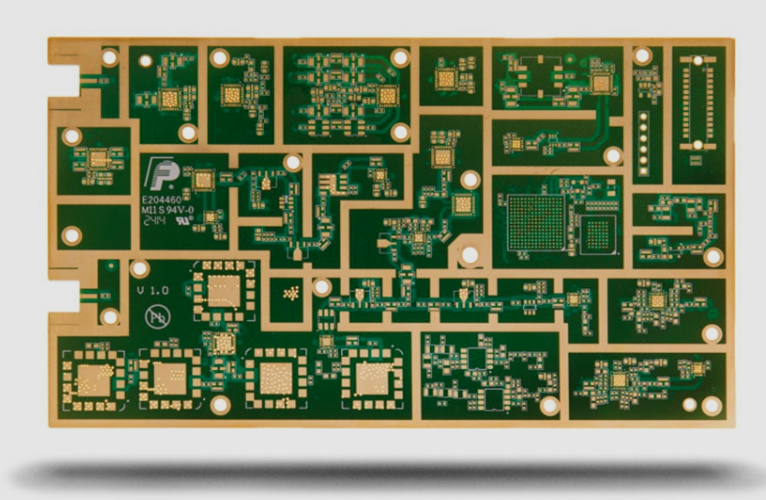
A PCB Manufacturing Process involves multiple precision-controlled steps, including circuit pattern formation, drilling, copper plating, solder mask application, surface finishing, electrical testing, and final inspection. Each stage directly affects the electrical performance, mechanical strength, solderability, and long-term reliability of the finished PCB. According to the required circuit structure, PCBs can…
Multilayer PCB Design

Multilayer PCB Design for EMI Suppression: Stackup, Power Planes, and Signal Integrity

In modern electronic products, controlling electromagnetic interference (EMI) has become an essential part of PCB design. As IC switching speeds increase and signal rise times become shorter, high-frequency transient currents can generate unwanted electromagnetic radiation, crosstalk, and common-mode noise. There are many approaches to solving EMI problems, including EMI shielding…
Mixed-Signal PCB Design

Avoiding Mixed-Signal Design Pitfalls in High-Speed PCB Design

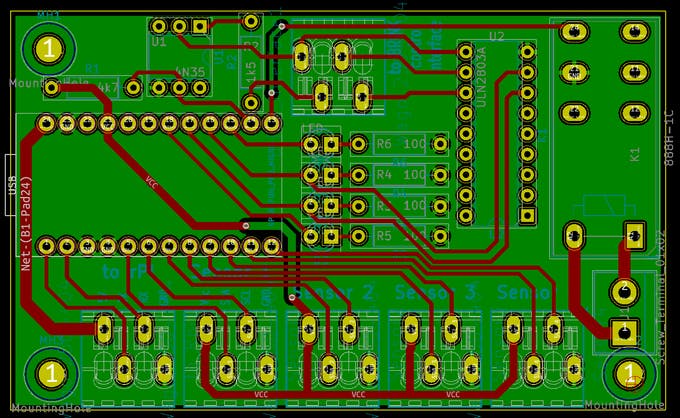
As electronic products become faster, smaller, and more functionally integrated, engineers face increasingly complex challenges in High-Speed PCB Design. Modern systems often combine high-speed digital circuits, sensitive analog interfaces, power management circuits, and communication modules on the same PCB. Without proper design and protection, signal noise, ground bounce, electromagnetic interference,…
Signal Isolation

Signal Isolation in PCB Design: Digital, Analog, and Data Bus Applications

In modern PCB Design, Signal Isolation is an important technology for protecting circuits from ground-potential differences, reducing noise coupling, and improving overall system reliability. When digital or analog signals are transmitted between circuits operating at different ground potentials, a direct electrical connection may introduce unwanted current paths, ground loops, or…
High-Speed PCB Design

8 Essential Routing Rules for High-Speed PCB Design

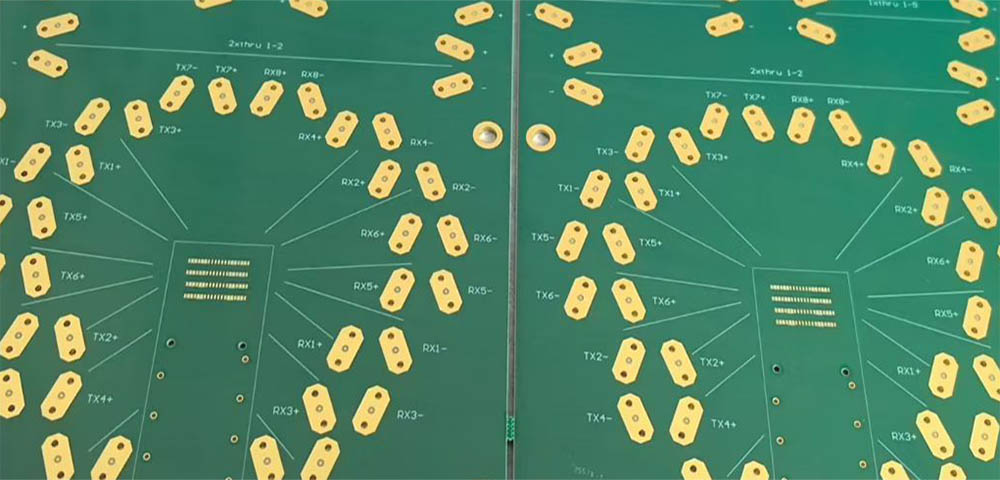
As electronic products continue to achieve higher data rates, smaller form factors, and greater integration, High-Speed PCB Design has become increasingly important. High-speed signals are more sensitive to trace geometry, reference planes, vias, impedance discontinuities, crosstalk, and power noise than conventional low-speed signals. A PCB that works correctly at low…
Box Build Assembly

PCB SMT vs Manual Assembly: Key Differences & Selection Guide

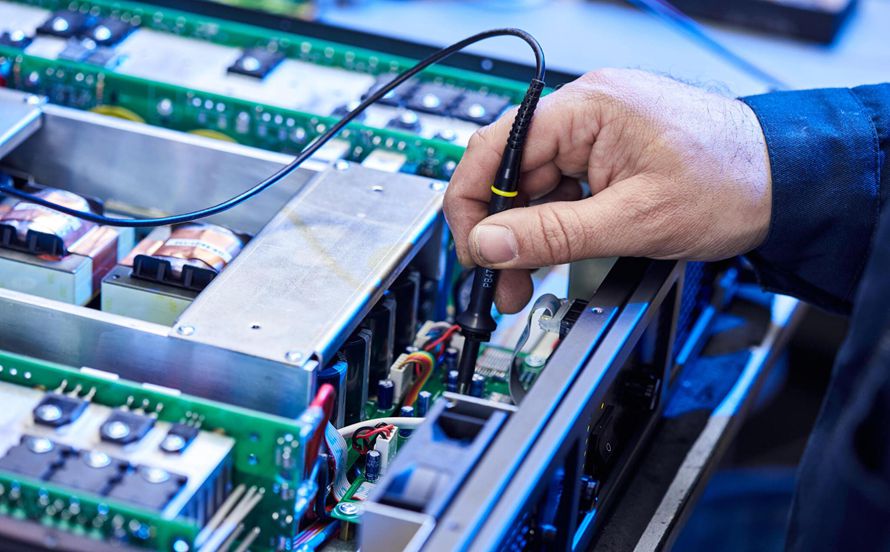
PCB SMT vs Manual Assembly: Key Differences & Selection Guide In electronics manufacturing, the choice of PCB assembly method directly impacts production cost, lead time, solder quality, product reliability, and volume efficiency. Today, PCB assembly primarily includes SMT (Surface Mount Technology), THT (Through-Hole Technology), and manual assembly. SMT PCB assembly…
High-Speed PCB Design

What Is High-Speed PCB Design? Key Principles, Routing Guidelines, and Impedance Control

In modern electronic systems, High-Speed PCB Design plays an increasingly important role in achieving fast, stable, and reliable data transmission. As data rates continue to increase and electronic products become smaller and more highly integrated, PCB designers must pay greater attention to Signal Integrity, power distribution, routing topology, impedance, crosstalk,…