What Is PCB Assembly? A Complete Guide to the PCB Assembly Process

Printed circuit board assembly (PCBA) is one of the most important stages in electronic product manufacturing. It transforms a bare PCB into a functional electronic assembly by mounting and soldering components such as resistors, capacitors, diodes, integrated circuits, connectors, and other electronic devices onto the board. Although PCB fabrication creates…
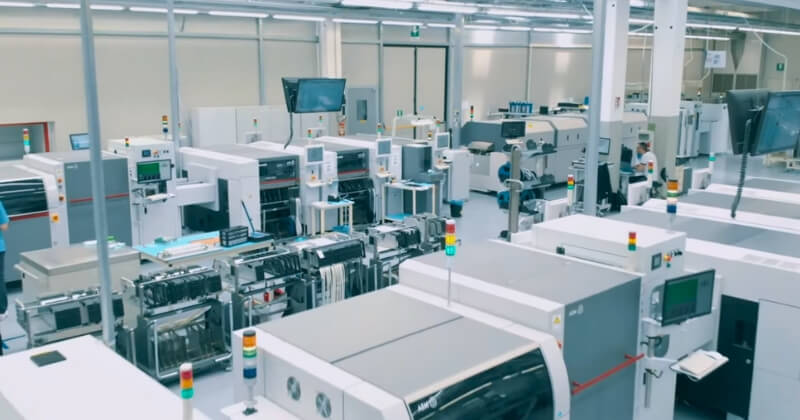
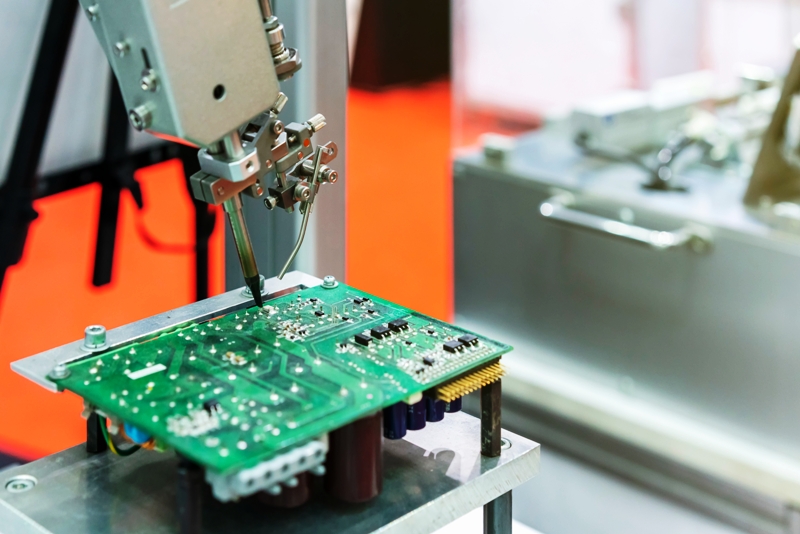
PCB Assembly Process: A Complete Step-by-Step Guide to SMT, THT, Testing, and Quality Control

Modern electronic products are becoming increasingly compact, intelligent, and powerful. Technologies such as artificial intelligence, IoT, wireless communication, automotive electronics, medical electronics, and industrial automation are driving continuous innovation across the electronics industry. Behind these advanced products is a carefully controlled PCB assembly process. A bare printed circuit board provides…

PCB Assembly: Complete Guide to SMT, THT, Process, Defects, and Quality Control

In the rapidly evolving electronics industry, products are becoming smaller, smarter, and more powerful. Technologies such as artificial intelligence, wireless communication, machine learning, IoT, automotive electronics, medical systems, and industrial automation are accelerating demand for reliable electronic hardware. At the center of these products is the printed circuit board assembly…

PCB Manufacturing Process: A Complete Guide to PCB Design, Fabrication, Assembly, and Testing

Printed circuit boards (PCBs) are fundamental to almost every modern electronic product. From smartphones and computers to medical equipment, automotive systems, industrial controllers, telecommunications equipment, and AI hardware, PCBs provide the physical platform for electronic components while creating the conductive pathways that allow those components to communicate and operate together.…

Quick Turn PCB Fabrication: A Complete Guide to Fast PCB Manufacturing

Almost every modern electronic device relies on a printed circuit board (PCB). From smartphones and laptops to medical equipment, automotive electronics, industrial controllers, telecommunications systems, and AI hardware, PCBs provide both the physical foundation for electronic components and the conductive pathways that connect them. As electronic products become more sophisticated…

PCB Fabrication Process: A Complete Step-by-Step Guide to PCB Manufacturing

PCB fabrication is the manufacturing process that transforms digital PCB design files into finished bare printed circuit boards. It combines precision imaging, etching, lamination, drilling, copper plating, solder mask application, surface finishing, inspection, and electrical testing to produce reliable circuit boards for applications ranging from consumer electronics and industrial automation…

Turnkey PCB Assembly Explained: Full vs. Partial Turnkey Process and Benefits

In modern electronics manufacturing, managing PCB fabrication, component procurement, assembly, testing, and logistics through multiple suppliers can create unnecessary complexity. Different vendors may have different lead times, documentation requirements, quality systems, and communication processes, making it difficult to maintain consistent production control. Turnkey PCB assembly provides an integrated alternative. With…

One-Stop PCBA Services: From Design Review to Fully Assembled PCB

Hardware engineers often approach PCBA procurement as two separate workflows: first PCB fabrication, then component sourcing and assembly. While this model can work, it creates additional supplier handoffs, communication gaps, BOM inconsistencies, and unclear responsibility when problems occur. A one-stop PCBA service combines these activities into a coordinated manufacturing workflow.…

HDI PCB Design Rules: A Practical Guide for High-Density PCB Design and Manufacturing

As electronic devices continue to become smaller, lighter, and more powerful, HDI PCB technology has become an increasingly important solution for modern electronics design. Wearable devices, smartphones, industrial IoT equipment, medical electronics, automotive systems, communication equipment, and high-performance computing platforms all require greater circuit density within increasingly limited board space.…