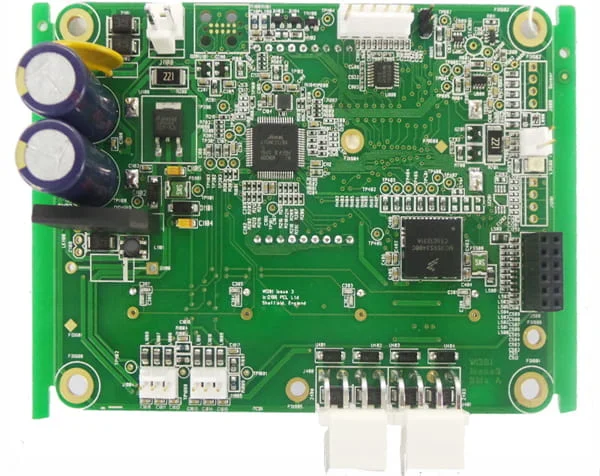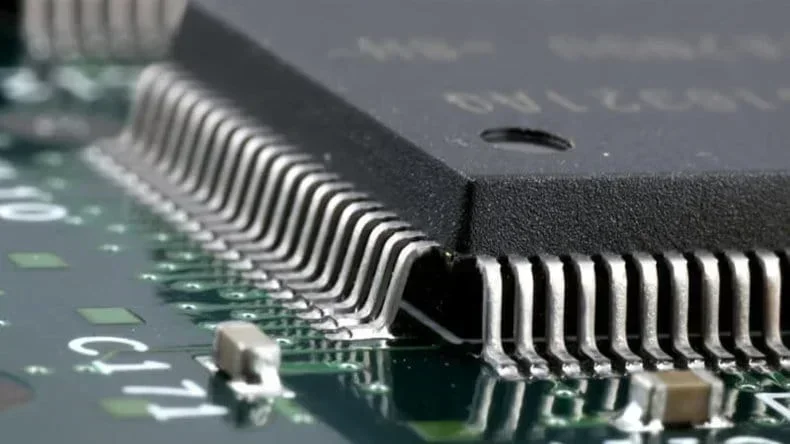
For hardware engineers, electrical engineers, product designers, and electronics companies, PCBA procurement is often treated as two separate workflows: PCB fabrication and component assembly. While this approach can work, it also creates additional supplier handoffs, communication gaps, BOM inconsistencies, procurement delays, and uncertainty over responsibility when a manufacturing problem occurs.…
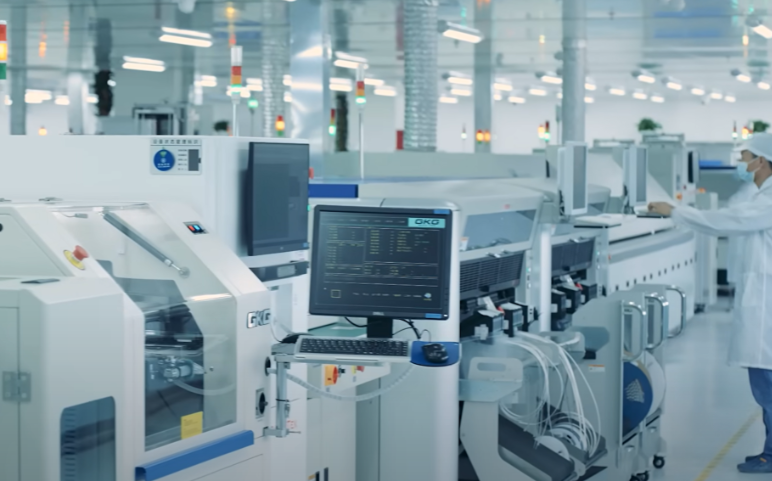
In today’s fast-moving electronics industry, product development schedules are becoming increasingly demanding. Engineers, startups, OEMs, and electronics manufacturers often need functional circuit boards within days rather than weeks to validate designs, correct engineering problems, or respond to urgent production requirements. This is where Quick Turn PCB manufacturing becomes a valuable…
In the fast-paced world of electronics design, time-to-market can determine whether a product succeeds or falls behind competitors. Engineers developing a new IoT device, startups refining a consumer-electronics concept, and manufacturers handling urgent replacement requirements all need a reliable way to shorten PCB production cycles. This is where Quick Turn…
In today’s fast-moving electronics industry, development schedules are becoming increasingly demanding. Engineers and product teams often need functional circuit boards within days rather than weeks to validate a design, solve urgent production problems, or meet a critical product launch deadline. This is where Quick Turn PCB manufacturing becomes especially valuable.…
PCB prototype assembly is a critical stage in electronics product development. It transforms a PCB design into a physical, functional assembly that engineers can test, validate, modify, and prepare for production. Whether you are developing a consumer electronic device, industrial controller, medical product, automotive system, IoT device, or aerospace application,…
For hardware developers, electrical engineers, startups, and product teams, one of the most important stages of product development is transforming a digital design into a working physical prototype. A schematic may look perfect in simulation, but only a real PCB can demonstrate how the circuit behaves under actual electrical, mechanical,…
In today’s fast-moving electronics industry, High Volume PCB Assembly is essential for companies that need to manufacture large quantities of reliable electronic products while maintaining consistent quality and competitive costs. As demand grows from automotive electronics, telecommunications, consumer electronics, industrial automation, medical devices, AI hardware, and smart-home products, manufacturers need…
Creating High Volume PCB Assembly is not simply a matter of taking a prototype PCB assembly process and running it more times. Once production reaches tens of thousands, hundreds of thousands, or even millions of boards, the manufacturing strategy must change. At high production volumes, even a small defect rate…
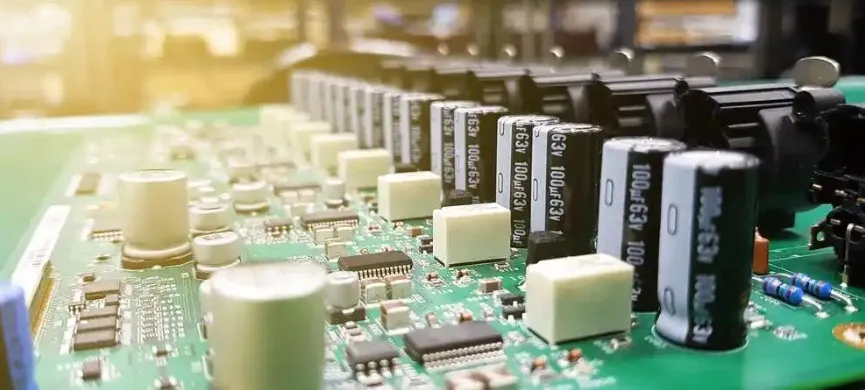
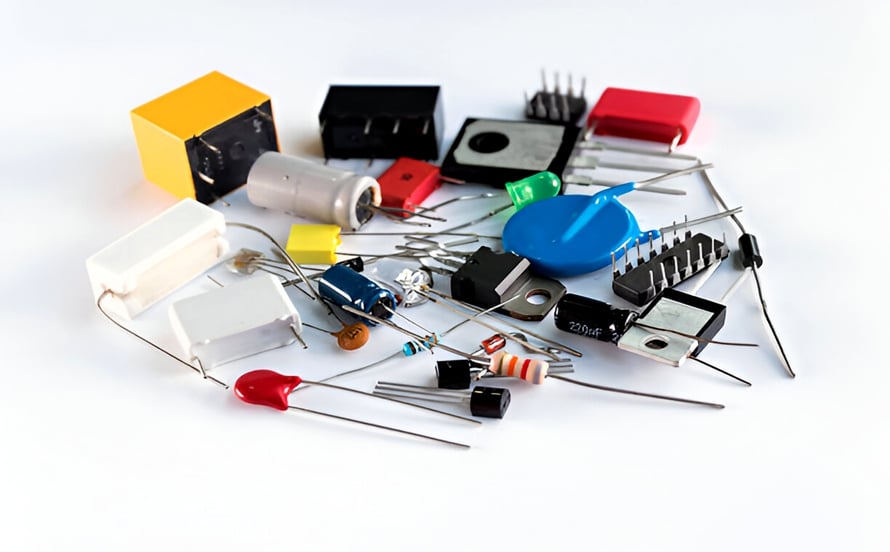
PCB components are the fundamental building blocks that turn a bare printed circuit board into a functional electronic system. From simple resistors and capacitors to sophisticated microcontrollers, power semiconductors, and integrated circuits, every component performs a specific electrical or mechanical function. Whether you are developing a consumer product, industrial controller,…
Whether you are designing a simple sensor board, an industrial controller, a medical device, an automotive control unit, or an advanced aerospace system, every Printed Circuit Board (PCB) depends on electronic components working together to perform specific electrical functions. Each component has a different role. Some store electrical energy, others…