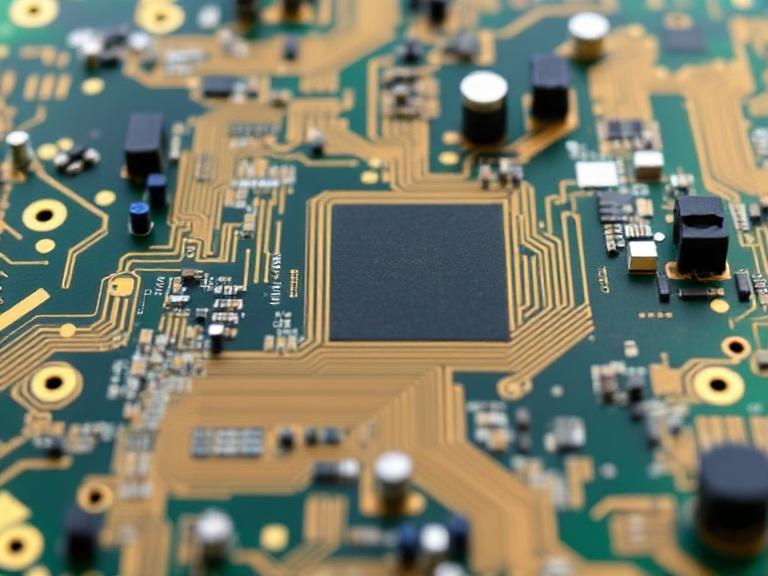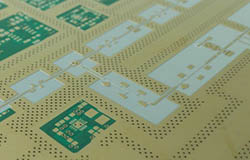
As signal speeds continue to increase, selecting the right PCB Materials has become increasingly important for high-speed and high-frequency electronic systems. When signals operate at sufficiently high data rates or frequencies, the electrical characteristics of the PCB substrate can directly affect signal integrity, transmission loss, timing, and overall system performance.…
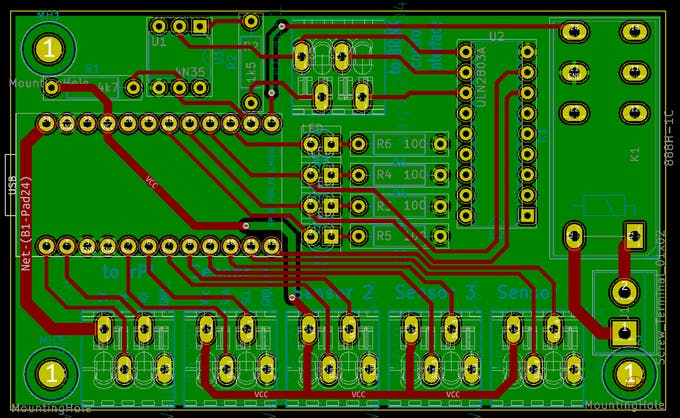
As electronic systems become faster, smaller, and more highly integrated, High-Speed PCB Design has become an essential part of modern electronic engineering. High-speed design is not determined simply by the nominal frequency of a digital signal. In many cases, the signal rise time, interconnect length, propagation delay, and electrical behavior…
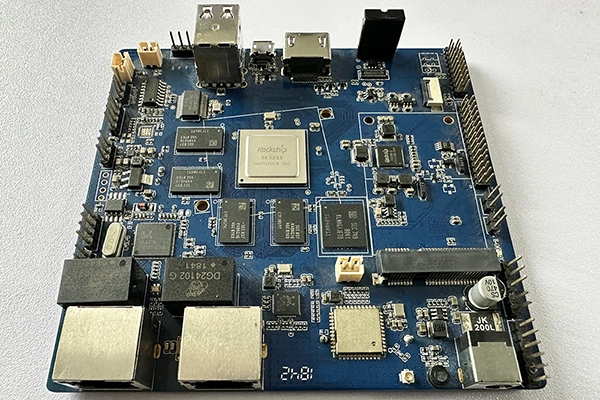
As electronic products continue to become smaller, smarter, and more highly integrated, Double-Sided PCB assembly is increasingly important in modern electronics manufacturing. Advanced products often need to accommodate a large number of components and functions within a limited space, making both sides of the circuit board available for component placement.…
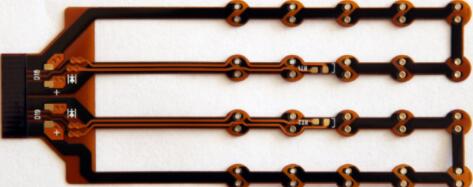
The basic principles of Flexible PCB Assembly are similar to those used for rigid PCB assembly. However, the flexible nature of FPC materials introduces additional requirements for handling, positioning, soldering, inspection, and mechanical reliability. During production, manufacturers select appropriate assembly processes according to the structure of the flexible circuit, component…
China has become one of the world’s major centers for Electronic Product Manufacturing, supported by a mature electronics supply chain, extensive manufacturing capabilities, and a large pool of engineering and production resources. Within this ecosystem, the PCB industry has developed rapidly to support increasingly diverse applications. As electronic products continue…
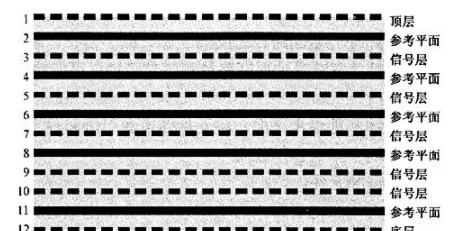
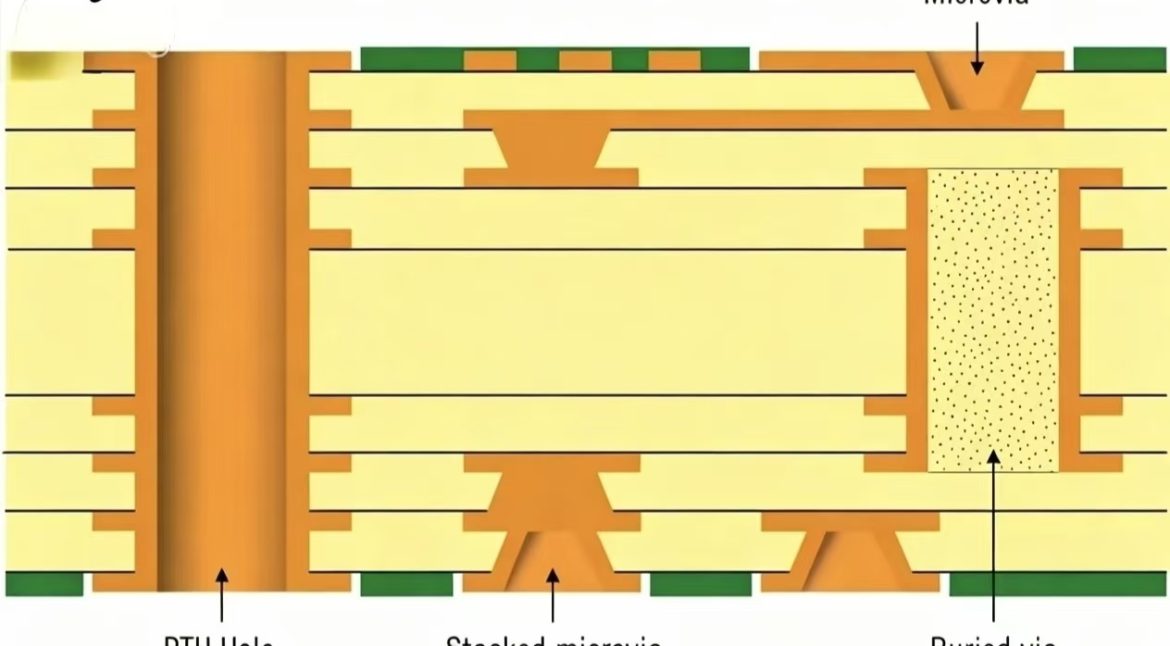
Multilayer PCB technology is widely used in high-speed and high-performance electronic systems because it provides greater routing density, better power distribution, and improved electromagnetic performance. As electronic products become smaller and faster, PCB designers must carefully control signal return paths, impedance, crosstalk, power integrity, and electromagnetic compatibility. A well-designed multilayer…
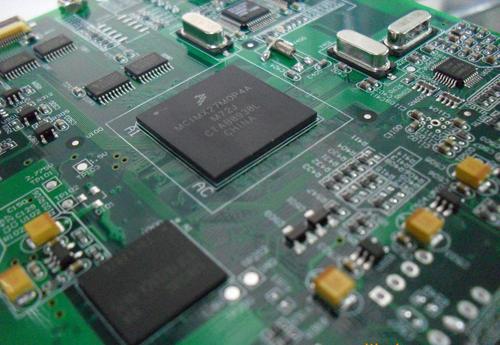
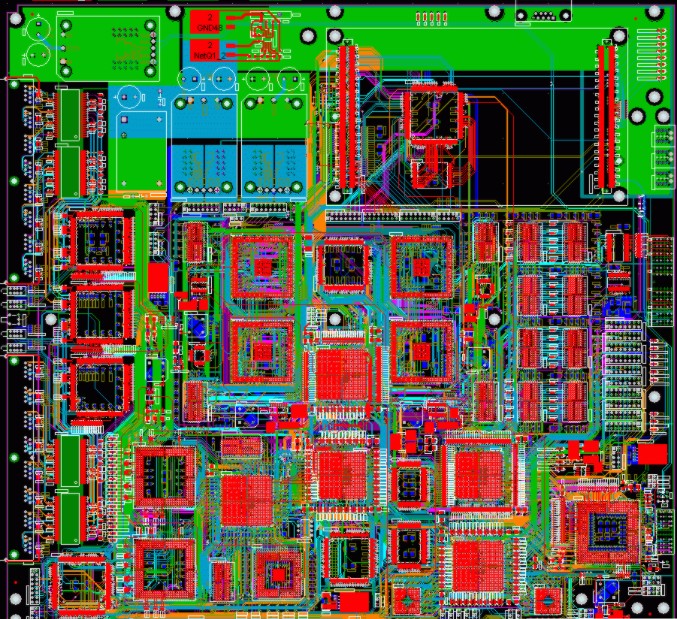
The rapid development of electronic technology continues to create new challenges for board-level design. As electronic systems become faster, smaller, and more highly integrated, PCB designers must deal with increasingly complex electrical and physical constraints. First, the growing number of high-density pins and the physical limitations of smaller pin sizes…
The global demand for PCB manufacturing and PCBA assembly continues to increase as artificial intelligence, data centers, electric vehicles, industrial automation, telecommunications, medical electronics, and smart devices drive the development of increasingly sophisticated electronic products. For overseas buyers, selecting the right China PCB manufacturer is about much more than finding…
As electronic systems continue to operate at higher frequencies and data rates, conventional PCB Design practices may no longer be sufficient to maintain stable signal transmission. At microwave and high-speed frequencies, even small changes in trace geometry, dielectric properties, via structure, surface finish, or grounding can affect signal integrity. A…
Global demand for PCB manufacturing and PCBA assembly continues to grow as artificial intelligence, data centers, electric vehicles, industrial automation, telecommunications, and other advanced technologies accelerate the development of electronic products. For overseas companies, choosing the right China PCB manufacturer is no longer simply a matter of comparing unit prices.…