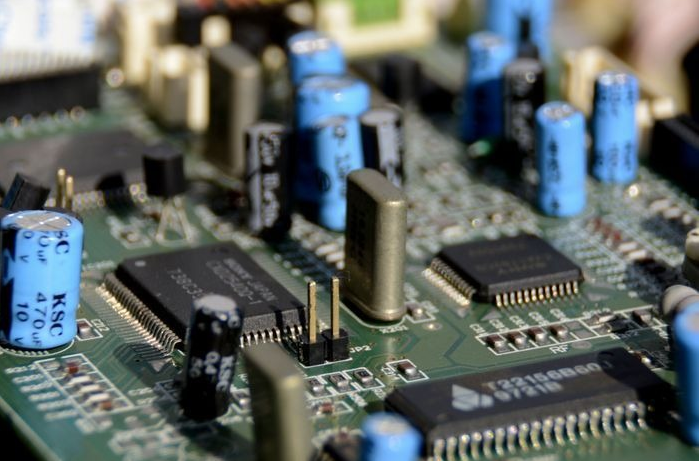
When designing a Multilayer PCB for a server, gaming platform, industrial controller, or other complex electronic system, designers often divide the system into several rigid circuit boards and install them inside a common enclosure. However, a conventional rigid PCB is not always the best solution when the mechanical structure requires…
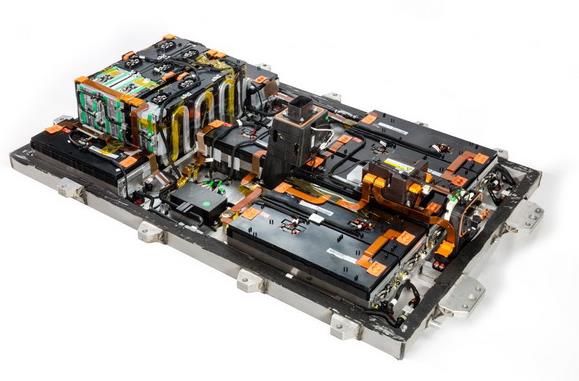
Electroplating is a critical process in PCB Manufacturing. It plays an important role in forming conductive copper layers, improving plated-hole reliability, and ensuring the electrical and mechanical performance of printed circuit boards. Because electroplating equipment operates continuously under chemical, electrical, mechanical, and thermal conditions, proper equipment maintenance is essential. Poor…
The IPC Standards system provides an important technical foundation for modern PCB Manufacturing, PCB Assembly, electronic packaging, soldering, inspection, cleaning, and reliability testing. These standards help manufacturers, engineers, designers, and quality-control teams establish consistent requirements throughout the entire electronic manufacturing process. For companies involved in PCB Assembly and SMT Assembly,…
Not every electronics project requires the same manufacturing technology. When selecting a PCB manufacturing method, factors such as development time, production volume, board complexity, design requirements, and overall cost all need to be considered. For many electronics products, PCB prototyping is an essential step between circuit design and final production.…
A PCB Via is one of the most important structural elements in a multilayer printed circuit board. Vias provide electrical connections between different copper layers and can also serve mechanical or positioning purposes during PCB manufacturing and assembly. Drilling is a significant part of the PCB fabrication process, and drilling-related…
A printed circuit board (PCB) provides the electrical and mechanical foundation for electronic components. From simple single-sided boards to complex multilayer circuits, different production techniques can be used depending on the required precision, production volume, materials, and application. Modern PCB Manufacturing typically relies on automated imaging, CNC drilling, laser processing,…
Design for Manufacturability (DFM) is a design methodology focused on making printed circuit boards easier, more reliable, and more cost-effective to manufacture. It is also a core technology of concurrent engineering, which brings design and manufacturing considerations together from the early stages of product development. Design and manufacturing are two…
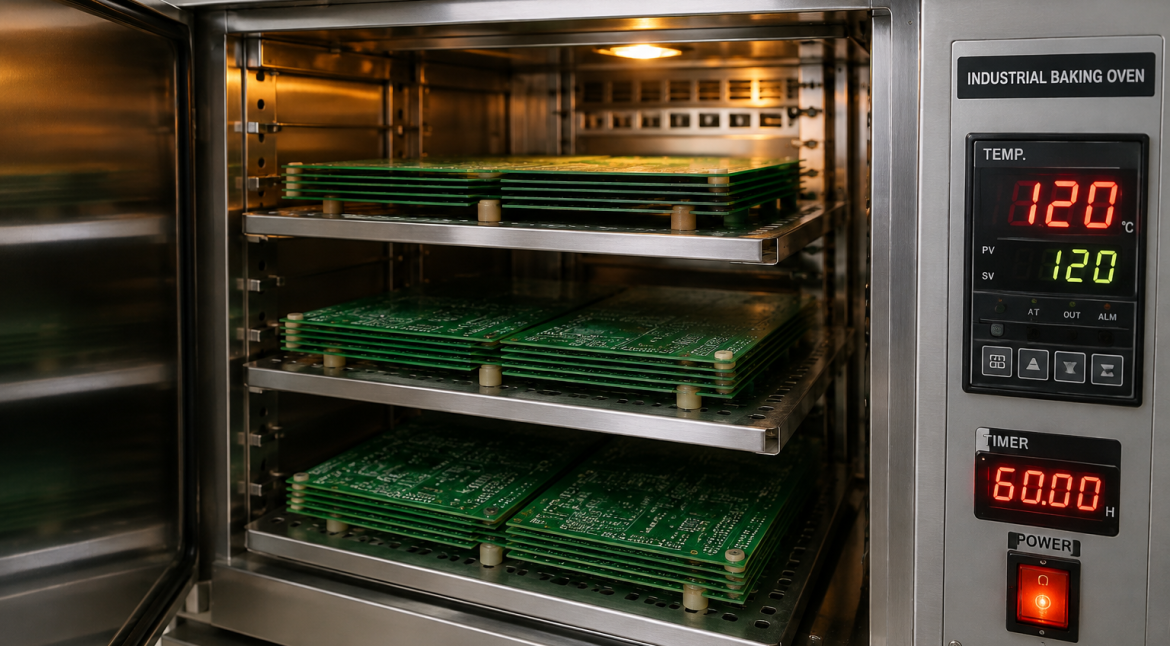
How long can a PCB be stored after manufacturing? When should a PCB be baked before SMT assembly, and what temperature and baking time should be used? These are important questions for PCB Storage and PCB Assembly. Improper storage can allow PCBs to absorb moisture from the environment. If moisture-sensitive…
Before starting mass production of a new PCB, PCB Prototyping is an important step for verifying design feasibility, manufacturing capability, product performance, and production quality. A prototype is more than a preliminary sample. It provides an opportunity to identify design and manufacturing risks before committing to a larger production volume.…
During PCB Manufacturing and PCB prototyping, copper adhesion problems can occasionally occur. One common defect is PCB Copper Peeling, in which a copper trace or copper foil separates from the underlying substrate. Copper peeling can affect electrical continuity, mechanical reliability, soldering performance, and the service life of the finished PCB.…