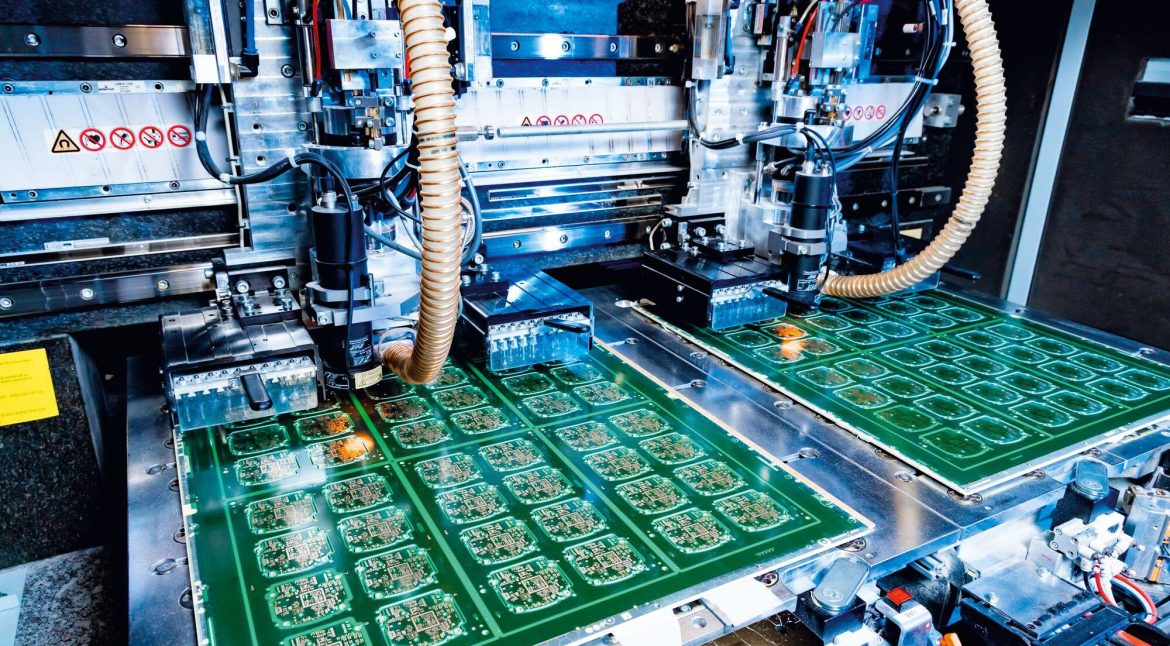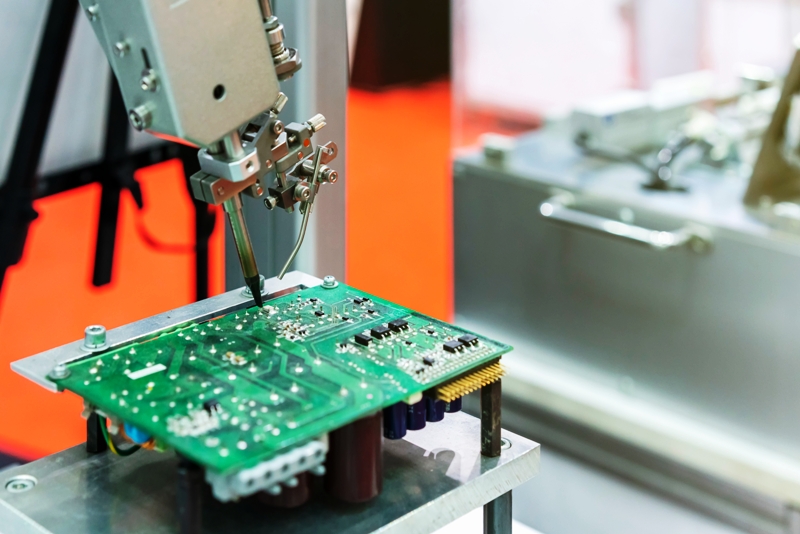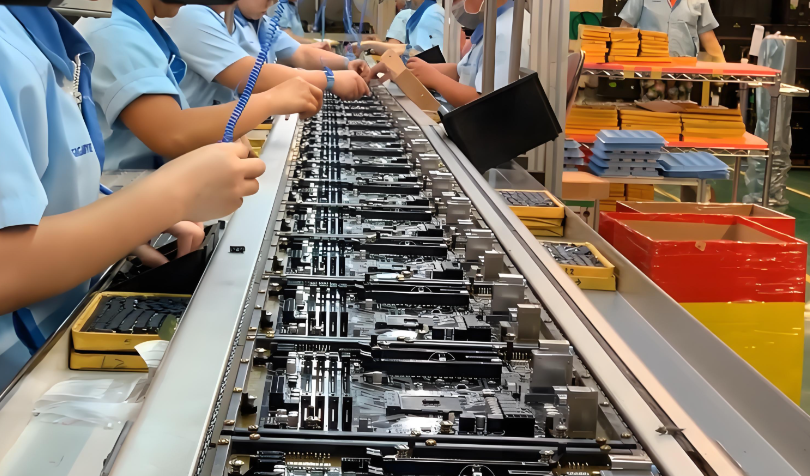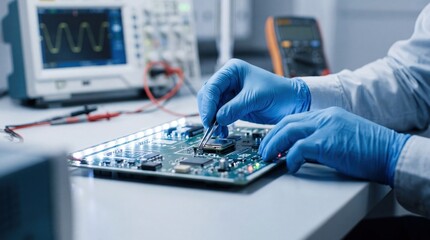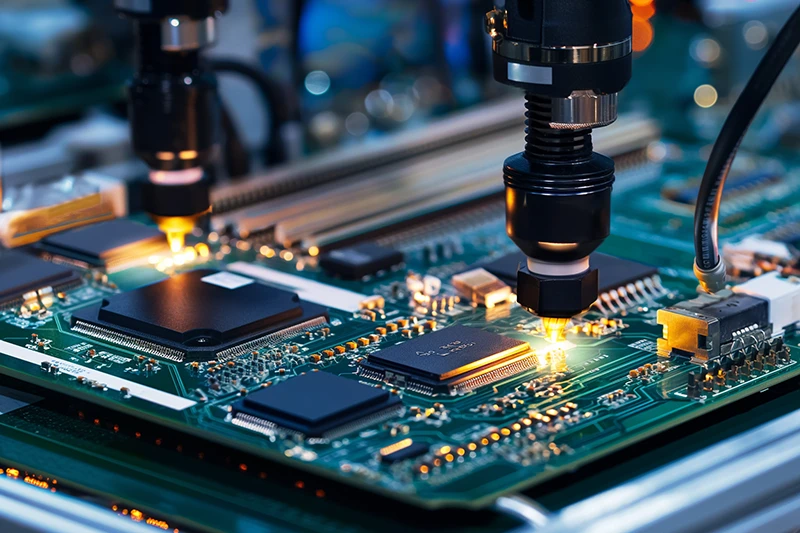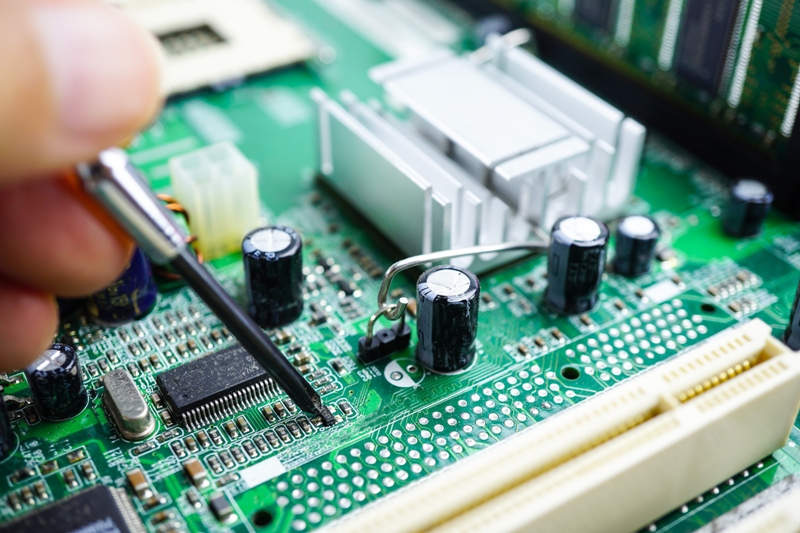
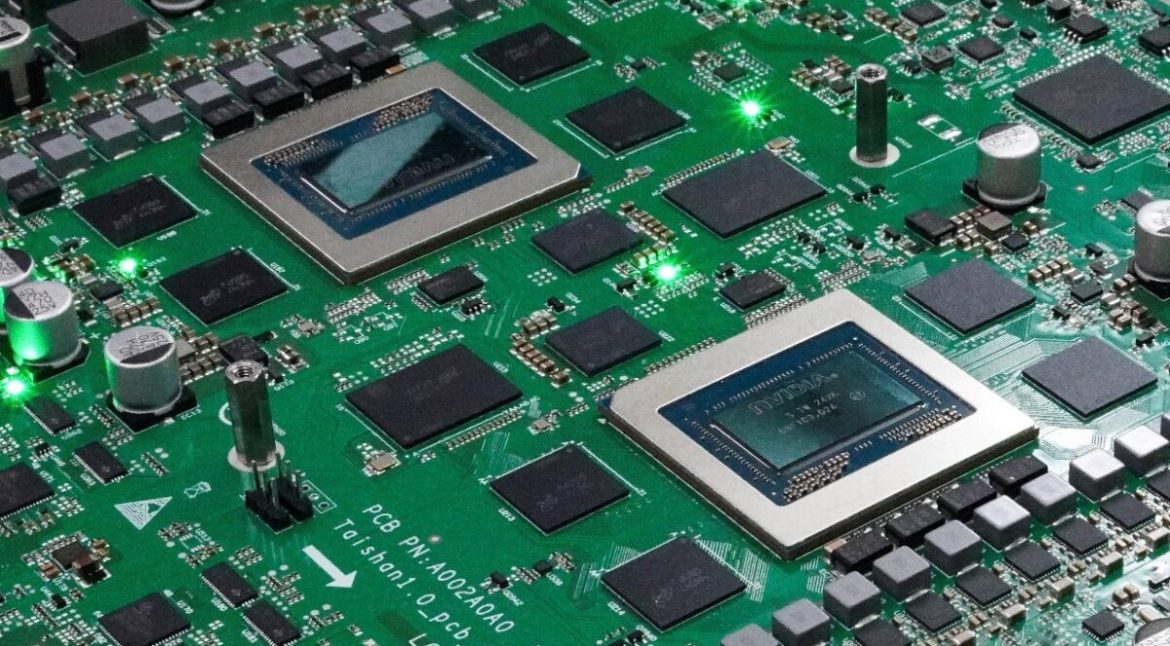
引言:人工智能计算与PCB制造之间日益密切的关系 人工智能 (AI) 正在改变从自动驾驶汽车和电信到自然语言处理、机器人、医疗保健和高性能计算等各个行业。每一项 AI 应用背后都离不开复杂的硬件基础设施,这些基础设施能够以高速、低延迟和始终如一的可靠性处理海量数据。 在这个硬件生态系统中,印刷电路板(PCB)是核心。 PCB 为处理器、内存设备、GPU、AI 加速器、网络组件和电源管理系统提供所需的电气互连、电源分配、信号传输、机械支撑和散热基础。 随着人工智能工作负载的复杂性不断增加,传统的PCB技术正面临新的挑战。人工智能服务器和加速器平台需要更高的带宽、更高的布线密度、更佳的信号完整性、更高的功率容量以及更有效的散热管理。 As a result, PCB manufacturing is evolving toward advanced materials, HDI structures, high-speed interconnect technologies, improved fabrication processes, and increasingly intelligent production systems.
Non-Layered Rigid-Flex PCB: Structure, Benefits, Applications and Manufacturing Guide Combining the structural stability of rigid circuits with the flexibility of flexible circuits, a Non-Layered Rigid-Flex PCB can provide an efficient solution for electronic products that require compact packaging, reduced wiring, and controlled mechanical flexibility. Compared with conventional rigid boards…
High-Speed PCB Design: Key Strategies for Signal Integrity and High-Performance Electronics High-speed PCB design is essential for modern electronic systems that require fast data transmission, low latency, reliable power delivery, and excellent electromagnetic compatibility. From AI servers and telecommunications equipment to automotive electronics, industrial automation, aerospace systems, and IoT devices,…
Layered Rigid-Flex PCB Modern electronic products increasingly require circuit boards that combine high circuit density, mechanical strength, compact packaging, and three-dimensional flexibility. A layered rigid-flex PCB integrates rigid circuit sections with flexible circuit sections in a multilayer structure, providing both the structural stability of a rigid board and the…
Flying-Tail Structure PCB: Complete Design and Manufacturing Guide A Flying-Tail Structure PCB is an advanced type of rigid-flex circuit board that combines rigid and flexible sections into a single integrated PCB structure. Instead of relying heavily on conventional connectors or through-hole interconnections between separate circuit sections, the flexible tail…
What Is IPC-A-610? IPC-A-610, officially known as Acceptability of Electronic Assemblies, is one of the most widely recognized industry standards for evaluating the quality and acceptability of assembled electronic products. Developed by IPC, the global organization that develops standards for the electronics manufacturing industry, IPC-A-610 provides visual acceptance criteria for…
Step-Structure Rigid-Flex PCB Modern electronic products continue to become smaller, lighter, and more integrated. Conventional rigid circuit boards can provide excellent mechanical stability, but they are difficult to fit into products with curved, folded, or three-dimensional structures. Flexible circuits solve many of these mechanical challenges, but they may not provide…
Step-Structure Rigid-Flex PCB As modern electronic products become smaller, lighter, and more integrated, conventional rigid circuit boards may not provide enough mechanical flexibility or packaging freedom. A Step-Structure Rigid-Flex PCB combines rigid and flexible circuit sections within a single PCB structure, allowing designers to achieve both mechanical stability and controlled…
Multilayer Rigid-Flex PCB A Multilayer Rigid-Flex PCB combines rigid circuit sections with flexible circuit sections in one integrated printed circuit board. By combining the mechanical stability of rigid materials with the flexibility of polyimide-based circuits, this technology enables compact three-dimensional electronic designs while reducing the need for cables, connectors, and…
Introduction A Rigid-Flex PCB combines the structural stability of a rigid circuit board with the flexibility of a flexible circuit. This hybrid construction allows electronic designers to integrate rigid mounting areas with flexible interconnect sections within a single PCB structure. By reducing the need for separate cables, connectors, and wiring…